



The Gold Standard: Guipure Lace
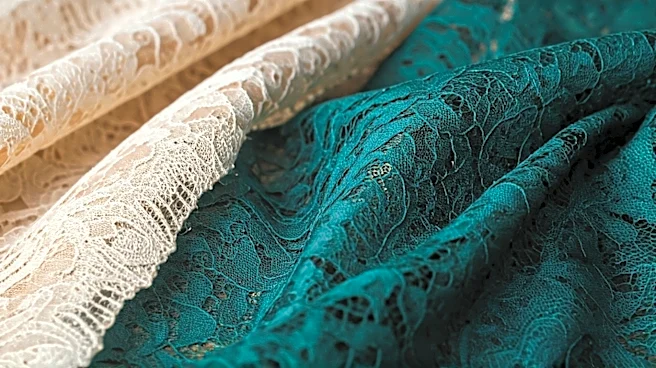
When you picture the height of sartorial sophistication at a formal daytime event, you’re likely picturing Guipure lace. Unlike finer laces that are woven onto a net background, Guipure is a heavier, more substantial lace made of motifs connected by braids
or bars. This gives it a wonderful sculptural quality and a pleasing weight. On a dress, it doesn't cling; it drapes and holds its shape, creating a clean, structured silhouette that looks expensive and intentional. Think of the chic, tailored lace dresses worn by the Princess of Wales; they often feature Guipure for its ability to look both delicate and powerful. Its texture photographs beautifully, appearing rich and complex rather than flat. For a foolproof choice, a dress crafted from high-quality Guipure in a classic white, cream, or soft pastel is the epitome of Ascot elegance.
The Ethereal Choice: Chantilly Lace
If Guipure is structured and bold, Chantilly is its romantic, ethereal counterpart. This is a very fine, delicate lace known for its intricate floral or ribbon-like patterns woven on a lightweight hexagonal mesh. It’s the whisper-thin lace you see on couture wedding veils and delicate sleeve overlays. At an event like Royal Ascot, Chantilly lace adds a touch of dreamy femininity without overwhelming. Because of its sheerness, it’s best used as a feature—think delicate long sleeves on a silk crepe dress, a decorative yoke, or an elegant overlay on a skirt. A full dress made of Chantilly requires careful lining and construction to maintain its sophisticated air. When done right, it exudes a timeless, heirloom quality that feels graceful and light, making it a perfect choice for a warm summer day at the races.
The Connoisseur's Pick: Alençon Lace
Often called the “Queen of lace,” Alençon is a needlepoint lace characterized by motifs that are outlined with a heavier cord, giving the pattern a subtle three-dimensional effect. This outlining, or *cordonnet*, provides definition and a touch of formality that other laces lack. It signals craftsmanship and expense, making it a favorite for bridal and high-end evening wear that translates beautifully to daytime formal. Alençon strikes a perfect balance: it’s more substantial than Chantilly but less dense than Guipure. This makes it incredibly versatile for tailored shift dresses, elegant separates, and occasion coats. Choosing a piece with Alençon lace shows a discerning eye, an appreciation for texture, and an understanding of what makes a garment feel truly special.
The Red Flag: Shiny, Stretchy Lace
Now we venture into the territory of what to avoid. The single biggest indicator of a lace that will date fast is a synthetic, stretchy quality. Often made from polyester or nylon blends, this type of lace has a tell-tale sheen under the light that immediately reads as inexpensive. It’s designed for mass-market bodycon dresses and tends to cling in all the wrong places, highlighting lumps and bumps rather than gracefully draping over them. Unlike the artisanal laces, its patterns are often stamped or machine-made in a way that lacks depth and intricacy. It feels flimsy to the touch and lacks the structural integrity to hold a sophisticated shape. While tempting for its comfort and price point, stretch lace almost never looks truly elegant and is a clear signal of fast fashion that has no place at a high-formality event.
The Dated Trap: Overly Trendy Patterns
Lace itself is timeless, but specific iterations can become very dated, very quickly. A few years ago, oversized, geometric, almost macrame-style lace was everywhere. Today, it can look clunky and tied to a fleeting micro-trend. The same goes for lace in neon or jarringly bright colors. While a pop of color is welcome at Ascot, a highlighter-yellow lace dress can easily look tacky rather than chic. Another pitfall is heavy, open-weave crochet lace. While lovely for a beach cover-up or a bohemian festival look, it often lacks the refinement needed for a strict formal dress code, appearing too casual and rustic. The safest bet is to stick with classic floral, scroll, or subtle botanical motifs that have proven their staying power for centuries.