







The Unseen Hero: Interlining
The secret to a shirt cuff that holds its shape is an invisible layer of fabric called interlining. Tucked between the outer and inner layers of the cuff, interlining provides body, structure, and support. Its job is to help the cuff resist creasing,
prevent it from becoming floppy after washing, and give it a clean, polished appearance. Without it, even the most expensive cotton or linen would quickly sag and lose its form. Think of it as the internal scaffolding that keeps the most visible parts of your shirt—the collar, the front placket, and the cuffs—looking sharp and intentional all day long.
The Great Debate: Fused vs. Sewn-In
There are two primary ways to add this crucial layer, and it’s the biggest factor in how a cuff feels and performs. The most common method is fusible interlining, where the support layer is coated with a heat-activated adhesive and bonded directly to the shirt fabric. This creates a consistently crisp, smooth look and is the standard for most modern business shirts. The alternative is a non-fused, or sewn-in, interlining. In this more traditional technique, the interlining 'floats' between the fabric layers, held in place only by stitching at the edges. Prized in high-end and bespoke shirts, this method results in a softer, more natural roll and feel. While it requires more skill and time, it allows the fabric to move more freely and avoids the risk of 'bubbling'—where the adhesive on a fused lining separates from the fabric after repeated washes.
Beyond the Lining: Details That Matter
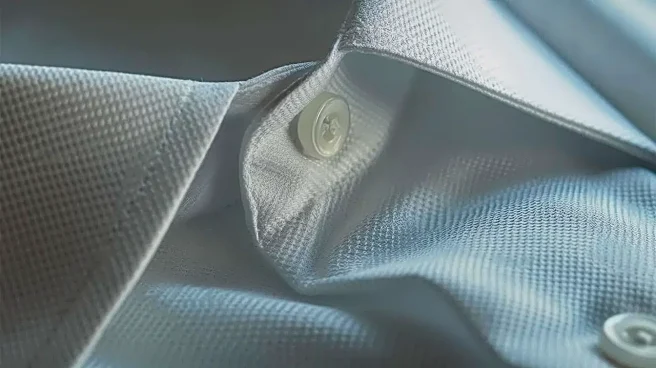
While interlining is the star player, other details contribute to a cuff’s structure. A well-made sleeve placket—the finished slit above the cuff that allows your hand to pass through—is essential. The most traditional is the 'tower placket', which uses overlapping pieces of fabric to keep the opening clean and flat when closed. On higher-quality shirts, you’ll often find a small 'gauntlet button' on this placket. This isn't just for show; fastening it prevents the sleeve from gaping, ensuring the entire area around the wrist remains neat and tidy, especially when worn under a jacket.
How to Spot Quality When You Shop
Now that you know what to look for, you can become a much smarter shopper. When examining a shirt, take a moment to feel the cuffs. A quality cuff should feel substantial but not overly stiff like cardboard. Gently fold it; it should have a clean, firm edge that suggests a good interlining is at work. Look for neat, dense stitching around the cuff's perimeter and buttonholes. Check the placket for that extra gauntlet button—its presence often signals a more thoughtful construction overall. Finally, see if you can tell whether the interlining is fused or sewn-in. A sewn-in cuff may feel slightly plusher and less 'flat' than a fused one. While a well-executed fused cuff is perfectly acceptable, a sewn-in construction is often a hallmark of superior craftsmanship.