






More Than an Armband
In the world of professional sports, a captain’s duties are well-defined: liaise with referees, motivate teammates, and lead by example. But what happens when the team itself is a symbol of survival? For teams born from conflict, displacement, or homelessness,
the game is not just about winning. It is a powerful act of existence. Here, the captain’s role transforms. They become diplomats, advocates, and keepers of a collective story. They are tasked not only with guiding a team through 90 minutes of play but with navigating the trauma, cultural divides, and immense pressure that comes with representing a displaced or marginalized community on a global stage. This is leadership forged in fire, where every match is a statement and every goal is a moment of defiance.
The Ambassador: Alphonso Davies
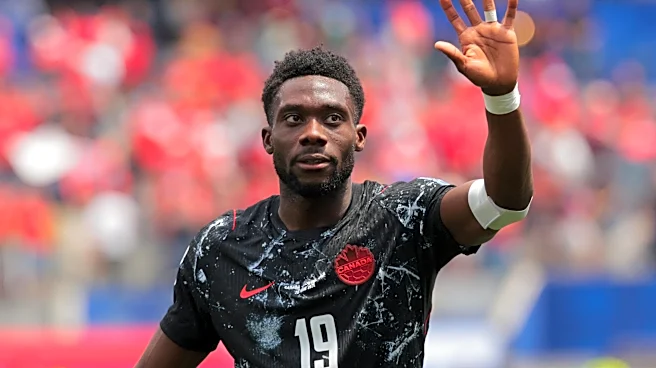
Perhaps no story better illustrates this than that of Alphonso Davies, captain of Canada's national team and a UNHCR Goodwill Ambassador. Born in a refugee camp in Ghana after his parents fled the civil war in Liberia, Davies’ journey is one of incredible resilience. He understands firsthand how soccer can provide a common language and a sense of belonging for those who have lost everything. In 2026, he was named captain of UNHCR's “Gamechanging Team,” a symbolic squad of players with refugee backgrounds. Davies uses his platform not just to excel on the field but to advocate for the more than 100 million people forcibly displaced worldwide. He embodies the captain as an ambassador, transforming his personal history of survival into a global cause for hope and opportunity, reminding the world of the potential that exists within every refugee.
The Organizer: The Homeless World Cup
The Homeless World Cup provides another powerful example of soccer as a tool for social change. Founded in 2001, the annual tournament brings together teams of people who have experienced homelessness, offering them a chance to represent their country and rebuild their lives. Captaining a team in this tournament requires a unique set of skills. These leaders must foster a sense of trust and community among players who are often dealing with complex personal challenges. They are peer counselors and motivators, responsible for keeping spirits high and ensuring players feel seen and supported. The organization has found that the experience of training and competing helps players develop resilience, reconnect with society, and make positive life changes. The captains are central to this process, turning a team into a support system and the tournament into a life-altering event.
The Unifier: Leading Through Conflict
In regions fractured by war, a soccer team can become a rare symbol of unity, and its captain a crucial peacemaker. Ukrainian club Shakhtar Donetsk has been a team in exile since 2014, forced to relocate due to conflict. Leading a team that has no true “home” ground requires immense mental fortitude. Similarly, national teams from places like Bosnia and Herzegovina have featured players from families deeply affected by war and displacement. For these squads, a captain’s role extends to bridging ethnic and political divides that exist outside the stadium. They must create a unified front from a diverse group of individuals whose families may have been on opposing sides of a conflict. Their leadership proves that a shared purpose on the soccer field can transcend deep-seated division, turning the team into a potent symbol of what their fractured society could one day become.