





The Seduction of Scale
It’s easy to see the appeal. In a television landscape crowded with high-concept stories, a dragon is a definitive statement of intent. It signals a massive budget, a commitment to epic world-building, and the promise of a climax that feels cinematic
in scale. For audiences invested in sprawling political conflicts and magical prophecies, the arrival of a full-grown dragon feels like the ultimate narrative trump card. It's the fantasy equivalent of a suitcase full of cash in a gangster movie or a third-act courtroom confession in a legal drama. It’s meant to be the showstopper, the moment that pays off years of patient viewing. We are conditioned to equate that spectacle with significance. The bigger the beast, the more important the moment must be. This thinking, however, often leads creators down a perilous path where the sheer spectacle of the dragon is expected to do the narrative heavy lifting that should have been done by character development and thematic resolution.
The Cautionary Tale of King's Landing
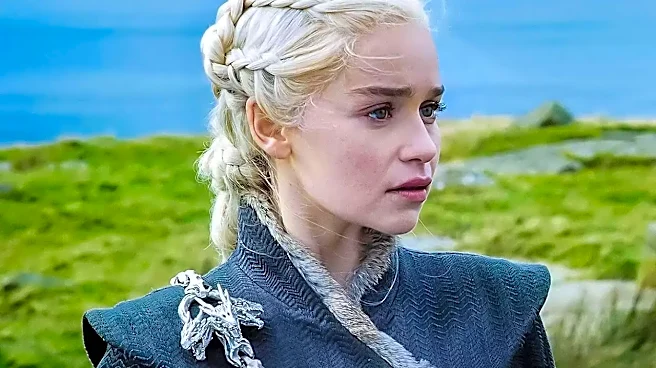
No series illustrates this fallacy better than Game of Thrones. After years of positioning Daenerys Targaryen as a complex, often sympathetic leader, the final season needed a way to complete her turn into the 'Mad Queen.' The solution was to put her on a dragon and have her burn a city to the ground. The sequence was visually stunning, a technical marvel of CGI destruction. Yet for many viewers, it felt profoundly empty. The problem wasn't the dragon; it was the storytelling that used the dragon as a shortcut. Instead of carefully completing a complex character arc, the showrunners opted for overwhelming spectacle, hoping the shock and awe of dragon fire would mask the rushed narrative. The destruction of King’s Landing became a prime example of prioritizing pyrotechnics over psychology. The finale's legacy is now one of widespread fan disappointment, a testament to the fact that even the most impressive dragon can't salvage an ending that feels unearned.
When Spectacle Serves Character
Contrast this with the first season finale of its successor, House of the Dragon. The climactic scene features a terrifying mid-air confrontation between two dragon-riding princes, Lucerys and Aemond. Aemond intends only to menace his younger nephew, but the ancient, battle-hardened dragon Vhagar defies her rider's commands. In a moment of terrifying instinct, Vhagar chomps down on Luke and his smaller dragon, Arrax, killing them both and unwittingly starting a catastrophic civil war. Aemond's shock is palpable; he has lost control, and the consequences are immediate and devastating. Here, the dragon isn't just a weapon; it's an extension of the show's core theme: the illusion of control. The spectacle serves to deepen character and escalate the plot in a way that feels both shocking and inevitable. The action has a profound human consequence, proving that a dragon scene is only as strong as the story it is built upon.
What We're Really Looking For
Ultimately, what makes a series finale satisfying has little to do with mythical creatures and everything to do with emotional and thematic closure. A great ending honors the journey the audience has taken with the characters. It provides a sense of finality that feels earned, whether it's the quiet, poignant goodbyes of The Good Place or the meticulously plotted resolution of Breaking Bad, often cited as a gold standard. These finales are remembered not for their explosions, but for their ability to answer the central questions the series posed and provide a resonant end for the characters we grew to love or hate. They understand that a finale is a story's final promise to its audience, and that promise must be kept through careful, deliberate storytelling, not just a bigger budget.