

Curation Over Scale
The arms race for festival-exclusive headliners has turned booking into a game of brute force. The result is often a bloated, genre-incoherent poster that tries to be everything to everyone and, in the process, loses its identity. Bonnaroo’s magic was
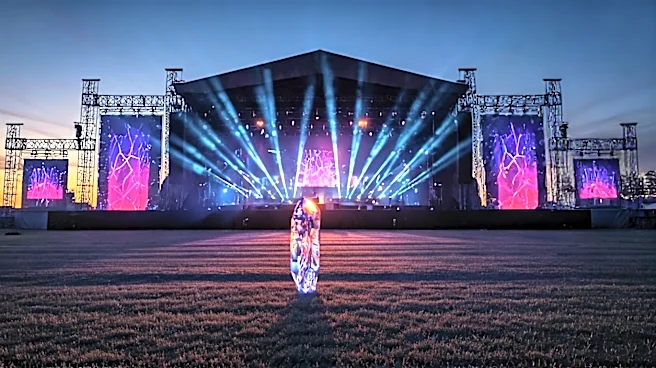
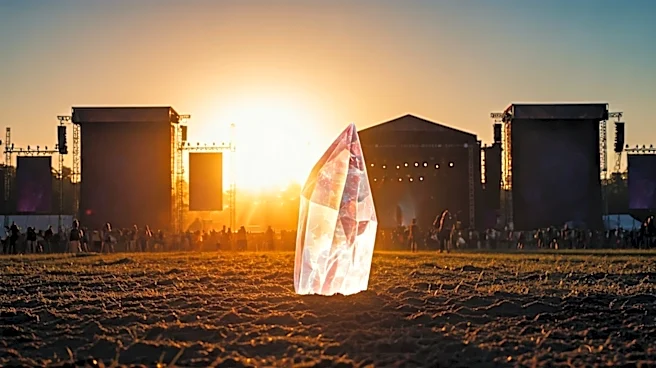
never just about having the biggest names; it was about discovery and flow. For 2026, imagine a lineup that’s smaller but smarter. Instead of 150 artists, what if there were 100, chosen for how they complement each other? This would mean fewer painful conflicts, more space to breathe between sets, and a renewed focus on the undercard, where the festival’s next legends are born. By prioritizing thoughtful curation over sheer size, Bonnaroo could remind us that a festival is more than a playlist; it’s a narrative experience.
Reclaim The Weird
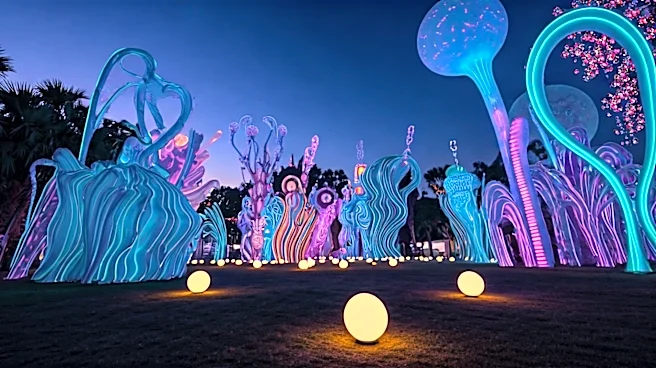
Somewhere between the first mushroom fountain and the tenth sponsored 'activation,' some of Bonnaroo's spontaneous weirdness got lost. Early years on The Farm were defined by bizarre, fan-driven encounters and interactive art with no agenda other than to delight or confuse. Today, that space is often occupied by branded photo ops. To feel human again, Bonnaroo needs to reinvest in its own chaotic creativity. This means commissioning more interactive, low-fi art from independent creators, bringing back surprise pop-up performances in unexpected places (not just on a sponsored side-stage), and empowering the community to be creators, not just consumers. The goal should be to ensure the most memorable moments aren't ones you can post for a hashtag, but ones you can only experience by being there.
Dial Back the Class System
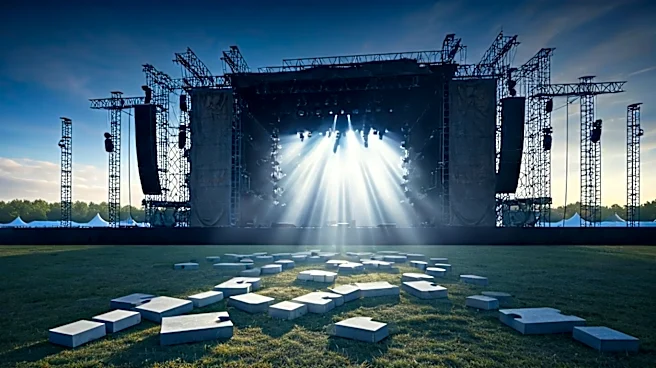
General Admission, GA+, VIP, Platinum, Backstage Guest... the modern festival has more social strata than a medieval kingdom. While premium experiences aren't going away, their proliferation has fractured the communal spirit that Bonnaroo was built on. When attendees are physically separated by what they can afford, it chips away at the 'we're all in this together' vibe. A bold move for 2026 would be to simplify. Instead of five tiers of viewing areas, what if there were just two: GA and a single, less-obtrusive VIP section? This would push more people into the same shared space, fostering the random connections and collective energy that make festivals transformative. A festival feels most human when everyone, from the front row to the back fence, feels like part of the same party.
Make the Campgrounds the Main Event
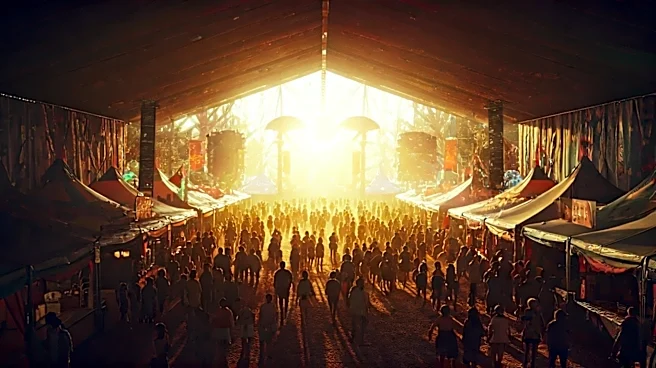
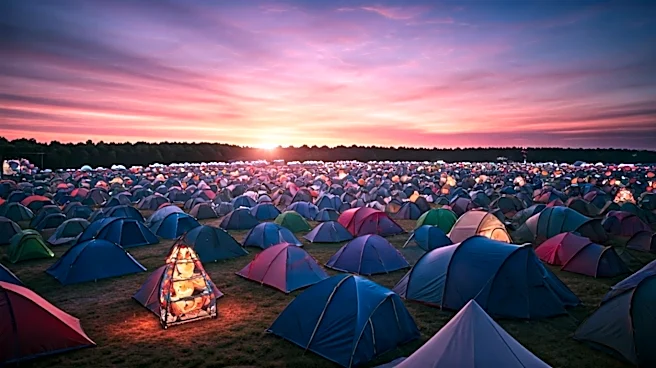
For many Bonnaroovians, the festival truly happens back at camp. It’s where friendships are forged over lukewarm coffee and late-night singalongs. Yet, for most mega-festivals, the campgrounds can feel like an afterthought—a dusty grid to be endured. Bonnaroo could flip the script by treating the campgrounds as a primary stage. Imagine more resources poured into Plaza programming: surprise acoustic sets from main-stage artists, themed community activities, better-than-basic food vendors, and more shade and water stations. By decentralizing the 'action' from Centeroo and empowering each pod and plaza to become its own micro-festival, Bonnaroo would be rewarding the very people who build its culture from the ground up.
Treat Logistics as a Human Right
Nothing kills the 'Radiate Positivity' mantra faster than a three-hour wait for water, overflowing bathrooms, or a security line that snakes into the horizon. In the pursuit of maximalism, basic human needs are sometimes treated as secondary concerns. But a humane festival experience is built on a foundation of logistical excellence. This isn't the glamorous part of festival planning, but it's the most critical. By 2026, Bonnaroo could set a new industry standard by over-investing in the basics: abundant, clearly marked water stations; an army of sanitation staff; efficient entry and exit protocols; and ample, accessible shade. When attendees feel safe, comfortable, and cared for, they are free to embrace the joy and connection the festival promises. Good vibes can't exist without good infrastructure.