







The Myth of More
For decades, the prevailing wisdom was simple: control the ball, control the game. Whether it was time of possession in football or ball control in soccer, the assumption was that more is always better. But analytics and evolving tactics have revealed
a crucial distinction between 'empty' possession and effective possession. A team might pass the ball around its own defensive half for minutes, racking up possession stats without ever threatening to score. This realization has opened the door for a more radical philosophy: what if having the ball isn't the point? What if the point is creating the best chances to score, even if it means letting the other team tire themselves out with fruitless possession?
Soccer’s Art of the Counter
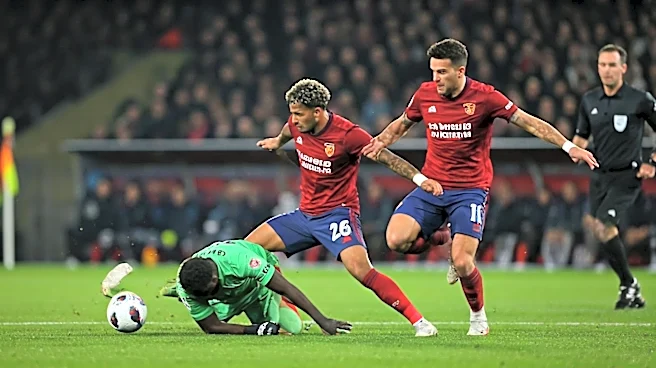
Nowhere is this strategy more visible than in soccer. Teams, especially those facing a more talented opponent, have perfected the art of the 'low block'—a defensive formation where players retreat deep into their own half, staying compact and difficult to break down. The goal is to frustrate the attacking team, clog passing lanes, and wait for a mistake. The moment the ball is won, the counter-attack begins. With the opposing team having pushed players forward, vast open spaces are available to exploit. Fast wingers and strikers sprint into this space, turning a defensive interception into a high-quality scoring chance within seconds. This strategy recognizes that a team is often most vulnerable the moment they lose the ball while deep in enemy territory.
Basketball's Efficiency Game
In basketball, the shot clock ensures possession changes frequently, but a similar principle applies. The key metric isn't time of possession, but offensive efficiency, or points per possession. A team with a dominant defense might be perfectly happy to let an opponent use most of the shot clock, knowing it will likely result in a contested, low-percentage shot. The real prize comes after the miss. Securing a defensive rebound and immediately pushing the ball up the court creates transition opportunities. These fast breaks, against a defense that isn't set, are among the most efficient shots in basketball. So, while one team is grinding for a difficult two points, the other is patiently waiting to turn that miss into an easy layup or an open three-pointer.
When Defense Becomes Offense
American football's turn-based nature makes the concept different, but not obsolete. A team with a truly elite, opportunistic defense might not fear an opponent's long, clock-consuming drive. Every snap the offense takes is another chance for the defense to create a game-changing play—a sack, a forced fumble, or an interception. These turnovers not only stop the opponent from scoring but can set up their own offense with a short field, or even result in a defensive touchdown. This philosophy trusts that its defensive strength can create more valuable opportunities than its offense might by simply trying to control the clock. It’s a calculated risk that a dominant defense is the most powerful offensive weapon a team can have.