




The Biggest Birthday Party in a Generation
On July 4, 2026, the United States officially celebrates its 250th anniversary, or Semiquincentennial. The multi-year commemoration, publicly branded as America250, is orchestrated by a nonpartisan commission established by Congress in 2016. The mission is ambitious:
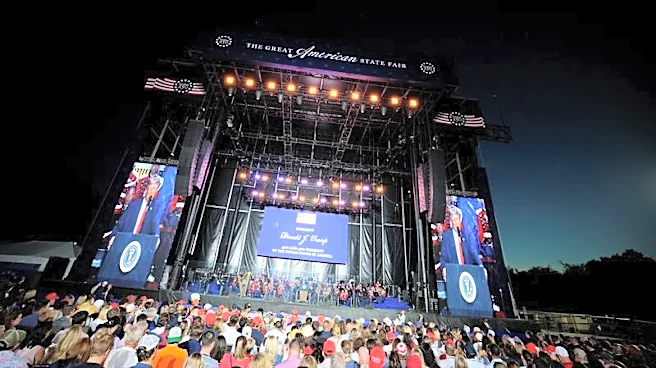
to "educate, engage, and unite" every American through a host of national and local programs. Think of it as a nationwide birthday party, with initiatives ranging from "America's Block Party," a series of synchronized local celebrations, to "Our American Story," a project to collect oral histories from everyday citizens for the Library of Congress. For businesses, this is more than just a holiday; it's a massive, once-in-a-generation marketing opportunity, promising a prolonged period of national attention and consumer engagement.
Selling a Feeling: The Power of Nostalgia
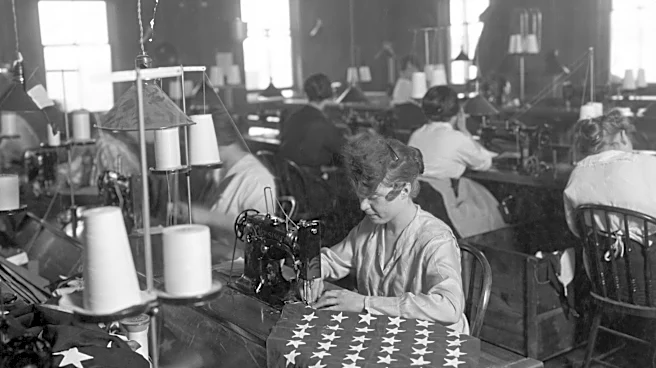
The core strategy driving much of the commercial tie-ins for America250 isn't about flashy discounts or slick ads. It's about tapping into something much deeper: shared memory and nostalgia. In a marketing context, this means leveraging a collective sense of history, heritage, and tradition to create an emotional connection with consumers. Brands like Coca-Cola, Jeep, and John Deere are leaning into their own long histories, positioning themselves as part of the fabric of the American story. This approach is powerful because it allows companies to wrap their products in feelings of patriotism, community, and authenticity. The goal is to rise above simple promotional noise and tell a story that resonates on a personal level, reminding consumers of family gatherings, community traditions, or the simple appeal of a "Made in America" label.
A Weapon with a Double Edge
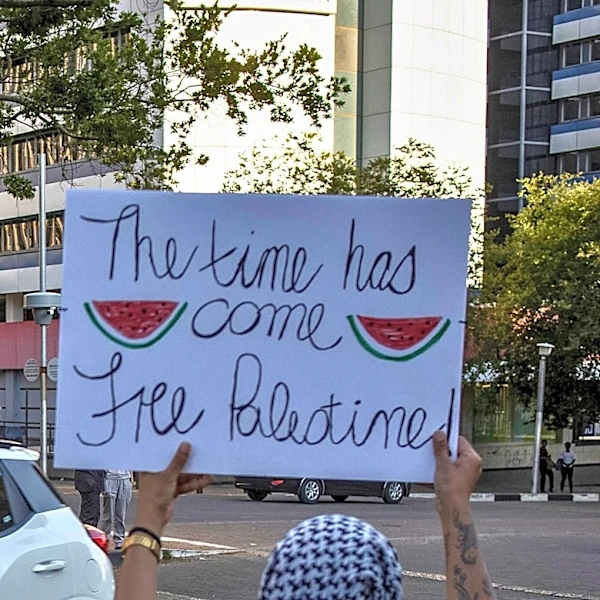
Here's the catch: in 2026, what exactly is America's "shared memory"? The marketing appeal to a unifying past is unfolding against the backdrop of a deeply polarized nation. With public pride in the country at a record low, patriotic messaging is a delicate balancing act for brands hoping to avoid controversy. Many marketers are deliberately choosing nostalgic themes as a way to appear "pro-American without taking a political stance." They are sticking to safe ground—family, Main Street, and community—while carefully sidestepping a direct engagement with a version of history that is anything but settled. This tension is visible in the celebration's own fractured organization. Alongside the official, bipartisan America250 commission, a separate, more political White House-led effort known as "Freedom 250" has emerged, leading to public confusion and accusations that the anniversary has been hijacked for partisan ends.
The High-Stakes Bet on Unity
For brands, navigating this landscape is a high-stakes gamble. While some consumers have criticized companies for not being patriotic enough, others are wary of any celebration that feels overly political. The dueling anniversary committees—one focused on a broad, inclusive narrative and the other on a more nationalistic one—perfectly mirror the nation's own divide over its history and identity. Companies are therefore caught in the middle, trying to sell unity to a country that can't even agree on how to celebrate its own birthday. The success of using shared memory as a marketing weapon ultimately depends on whether brands can find a story that feels authentic to a majority of Americans without alienating the rest. They are betting that the idea of America, however complicated, is still a story people want to buy into.