




Born From the Ashes
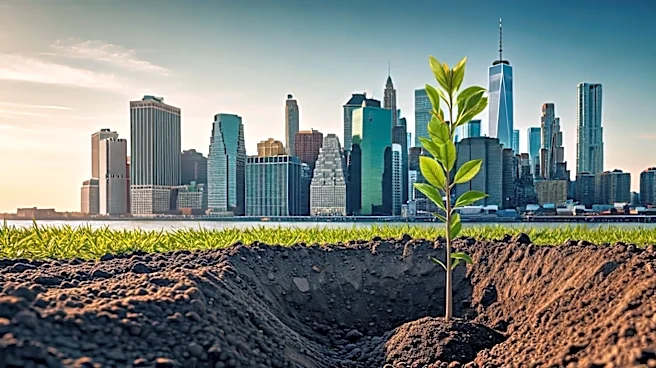
You can't separate the Tribeca Festival from its origin story. Founded in 2002 by Robert De Niro, Jane Rosenthal, and Craig Hatkoff, it was a direct response to the September 11th attacks. Its mission was to revitalize Lower Manhattan, to bring people,
culture, and economic activity back to a neighborhood hollowed out by trauma. This very foundation is steeped in noir themes: a city grappling with a profound wound, the struggle for resilience in the face of overwhelming darkness, and the search for meaning amid the rubble. Noir, at its core, is about characters and systems under pressure, confronting moral decay and existential threats. The festival’s birth wasn't a sterile corporate launch; it was a defiant act of community rebuilding, giving it an authentic, hard-won soul that resonates with the genre’s own focus on survival and consequence.
The De Niro Connection
Let’s be honest: when you think of New York crime stories, you probably picture Robert De Niro. From the alienated vigilante in *Taxi Driver* to the calculating mobsters in *Goodfellas* and *The Irishman*, his career is a cinematic map of the city’s underbelly. As the festival's co-founder and public face, De Niro lends it an immediate, unshakeable noir credibility. He is the genre’s patron saint. His involvement isn’t just a celebrity endorsement; it’s a thematic throughline. When Tribeca programs a gritty crime thriller or a morally ambiguous character study, it feels like an extension of its founder’s own artistic legacy. The festival feels curated, in spirit if not always in practice, by a man who understands the city’s shadows better than almost any other actor alive. This connection provides an authenticity that can't be manufactured.
The City Is the Set
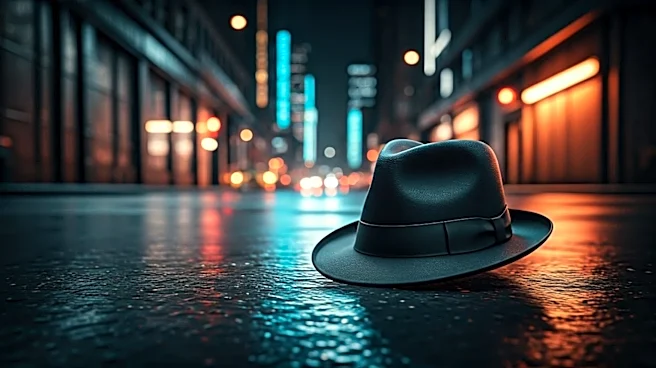
Unlike festivals isolated in resort towns or sprawling conference centers, Tribeca is woven into the very fabric of New York City. Screenings happen in neighborhood theaters, with audiences spilling out onto the same concrete streets that have inspired generations of noir filmmakers. The genre’s aesthetic is built on claustrophobic apartments, rain-slicked asphalt, looming skyscrapers, and the anonymous intimacy of the subway. At Tribeca, you don't just watch a film set in this world; you walk through it to get to the theater. This geographical immersion is critical. The city itself—its noise, its energy, its architectural grandeur and decay—becomes a participant in the festival experience. It collapses the distance between fiction and reality, reminding attendees that the anxieties and ambitions playing out on screen are rooted in the physical and psychological landscape right outside the door.
Programming the Mean Streets
Ultimately, a festival is its films, and Tribeca has consistently made space for stories that fit the noir mold. While it showcases a broad range of genres, its lineup often includes dark, character-driven thrillers, morally complex dramas, and stylish neo-noirs that feel right at home in NYC. It’s a place where a film like *The Novice*, a psychological thriller about obsessive ambition, can thrive alongside documentaries about institutional corruption or world-premiere crime sagas. The festival has also celebrated its roots with anniversary screenings and reunions for films like Michael Mann’s *Heat*. More importantly, Tribeca champions independent filmmakers who are often drawn to the accessible grit of the noir genre. They tell stories about hustlers, detectives, and ordinary people pushed to their limits—narratives that are perfectly suited to the festival’s own story of a city that has seen it all and is still standing.