

The Eight-Episode Mandate
When HBO confirmed Season 2 would be eight episodes, down from the first season's ten, fan speculation ran wild about budget cuts. But the creative team, including showrunner Ryan Condal, has consistently framed it as a story-driven choice. The logic,
as director Clare Kilner explained, was to give the season a tight, propulsive structure with a powerful beginning and ending. In theory, this decision forces a narrative discipline, ensuring every scene serves the central plot. The show is adapting George R.R. Martin's "Fire & Blood," a book written as a fictional history, which gives the writers latitude to fill in gaps and shape events. Condal and his team essentially decided that the next chapter of the Dance of the Dragons was an eight-hour story, a choice that has profound consequences for what viewers just saw unfold.
A Brutal Narrative Economy
Two fewer hours means less time for the quiet, character-building moments that made both Game of Thrones and House of the Dragon’s first season feel so rich. The show must prioritize plot momentum over leisurely development. We saw this in the abbreviated depiction of Jacaerys Velaryon's trip to Winterfell; in the book, his bond with Cregan Stark is more deeply forged, but the show condensed it into a brief, albeit effective, introduction. This narrative economy means the season had to race from one major event to the next: the horrific revenge of "Blood and Cheese," the escalating tensions on Dragonstone, and the strategic capture of Harrenhal. The story simply doesn't have time to linger. This approach makes for an undeniably exciting watch, but the trade-off is that some of the political and personal nuance that defines Westeros gets left on the cutting room floor.
All Roads Lead to Rook's Rest
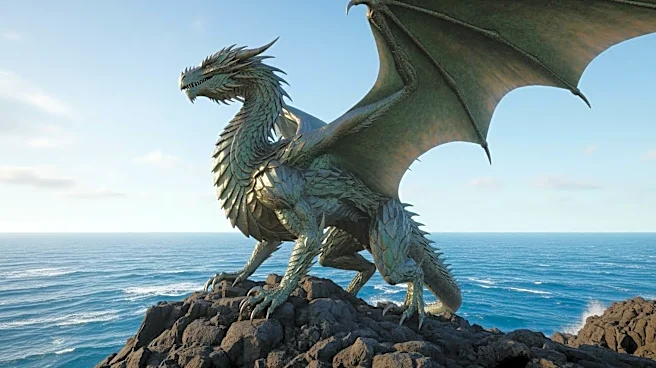
A shorter season demands a spectacular centerpiece, and Season 2 delivered it with the brutal Battle at Rook's Rest. Condensing the timeline naturally funnels the narrative toward major, visually stunning confrontations. The battle, a key event in the book, becomes an even more critical anchor for a season that can't afford a slow, meandering middle. It provides a massive, dragon-on-dragon payoff that defines the season's stakes in fire and blood. While the book details numerous skirmishes and political maneuvers, the eight-episode structure incentivizes focusing on the most cinematic and consequential clashes. This ensures the audience feels a sense of payoff and escalation, even if some of the smaller dominoes that lead to these moments fall more quickly than they do on the page.
The Finale's Payoff: Shock Over Subtlety
So, what does this mean for the finale's impact? It means the show must prioritize earth-shattering twists and visceral moments to provide a satisfying conclusion. The season finale saw Alicent, wracked with guilt and realizing her misinterpretation of Viserys's final words, secretly meet with Rhaenyra to try and find a path to peace, a major turn for her character. This compressed storytelling can make character arcs feel more like dramatic lurches than steady evolutions. Without the luxury of ten episodes to slowly build to these moments, the show must rely on the sheer force of its plot developments to land with weight. The finale focused on setting the stage for the next phase of the war, leaving viewers with a sense of dread and anticipation rather than quiet resolution. It's a payoff, to be sure, but one built on explosive developments rather than the slow-burn character work of a longer season.