




From Concrete to Catwalk
Not long ago, streetwear was the outsider crashing fashion’s party. Born from skate parks, hip-hop, and urban subcultures, its currency was authenticity, not couture. Brands like Supreme and Palace built empires on graphic tees, hoodies, and an anti-establishment
attitude. The uniform of the youth became an unstoppable commercial force. Luxury fashion, initially dismissive, eventually had to pay attention. Soon, collaborations and “drops” became standard industry practice, and the lines blurred completely. [14, 19] Streetwear didn’t just get a seat at the table; it started to redesign the whole dining room. Now, creative directors of major European luxury houses, like Pharrell Williams at Louis Vuitton, have roots firmly planted in the culture they once disrupted. [21]
The Billion-Dollar Comfort Zone
But with great success comes great saturation. The era defined by relentless hype, logo-mania, and inflated resale markets has started to feel creatively exhausted. [2, 3] Trend forecasters have declared the end of streetwear as we knew it, predicting a shift toward tailoring, classic garments, and a more refined aesthetic. [7] The question is no longer about getting attention but about holding it with substance. Consumers, particularly Gen Z, are becoming more discerning, prioritizing quality, longevity, and authenticity over fleeting hype. [2, 3] They know the difference between a 400gsm heavyweight hoodie and a flimsy, logo-slapped alternative. [2] The very tools that fueled streetwear’s rise—scarcity and logos—are becoming its creative constraints. It has become a victim of its own success, and the pressure is on to evolve beyond its comfortable, profitable formula of sneakers and hoodies. [6, 7]
The Parisian Proving Ground
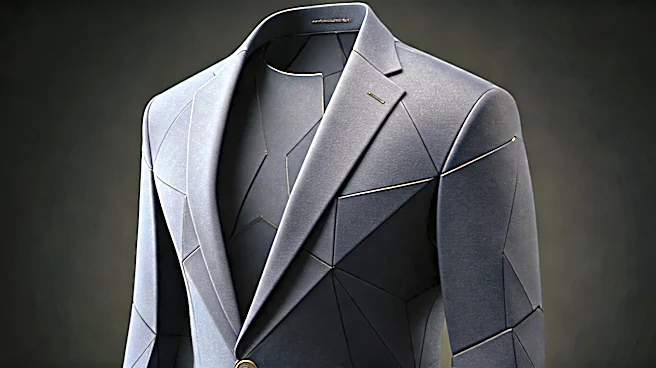
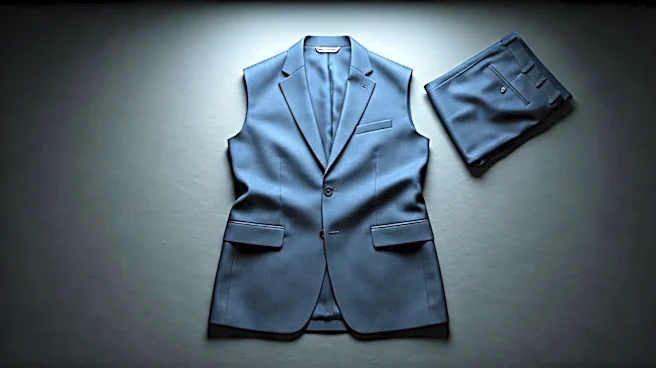
This is where the Spring/Summer 2027 shows in Paris become so critical. [5] The city is the historic heart of haute couture, a place where craftsmanship and narrative reign supreme. [5, 9] For streetwear to “grow up,” it must prove it can speak this language. We’re seeing this evolution in real-time. Pharrell Williams’ latest collection for Louis Vuitton, for example, leaned into a “surfer dandy” aesthetic, blending laid-back surf culture with the precision of classic tailoring. [17, 18] Models walked a sand-covered runway in structured jackets, relaxed trousers, and fluid silhouettes that spoke of elegance and ease, not just hype. [17, 22] Similarly, labels like AMI are celebrated for their ability to subtly blend streetwear codes with Parisian chic, creating a sophisticated middle ground. [24] This season in Paris isn't about abandoning streetwear's roots but elevating them with better fabrics, sophisticated silhouettes, and a more mature point of view.
Beyond the Hoodie: A New Uniform
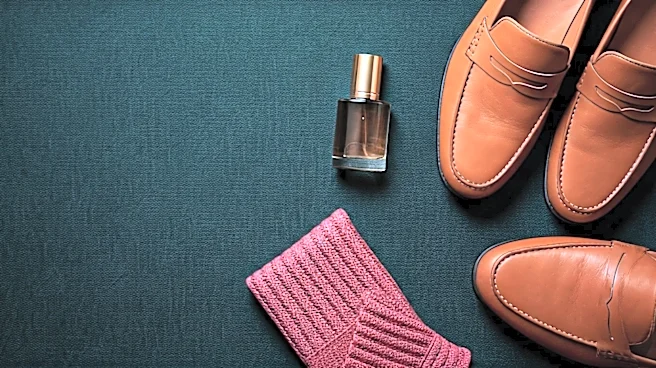
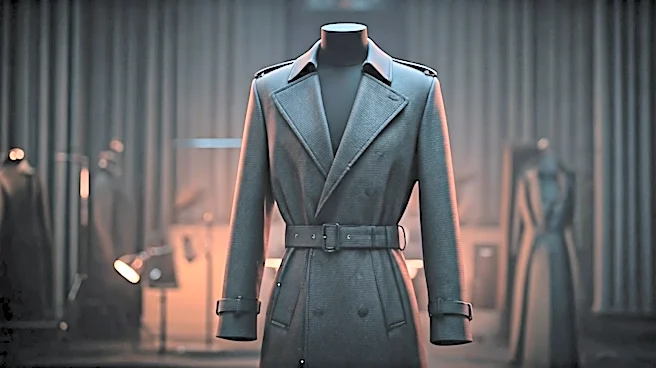
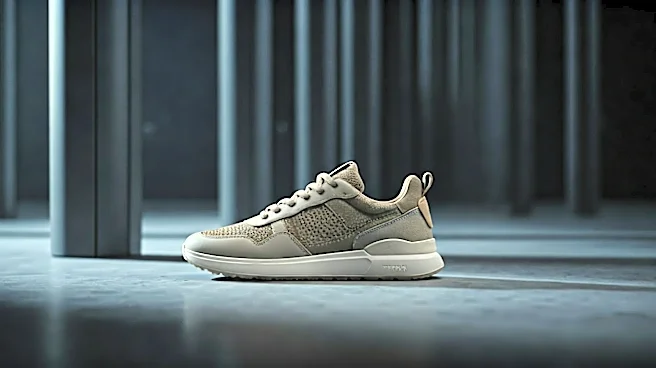
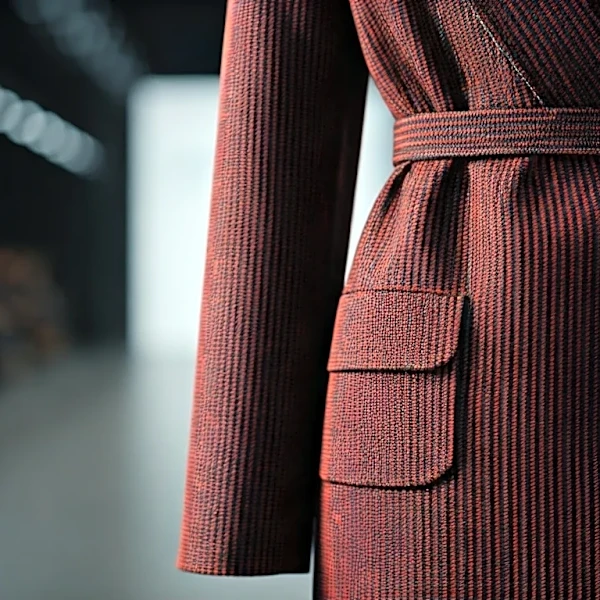
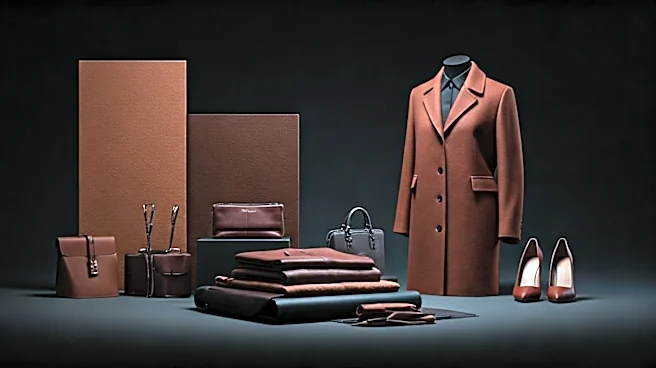
So, what does “grown-up” streetwear look like? It’s not about trading in your sneakers for loafers overnight. [7] Instead, it’s about a hybrid approach. It's a culture shifting its focus from what you bought to what you're building. [2] The new status signals are quality and personal style, not just a recognizable logo. [2, 19] On the Paris runways, this translates to an emphasis on material and form: classic trench coats reimagined, technical fabrics used in tailored outerwear, and knitwear that shimmers with intricate embroidery. [22] It’s about brands that lead with product specifications instead of hiding them. [2] This evolution doesn't mean the death of streetwear. [2, 3] Rather, it marks its graduation. The movement is moving from a youth subculture defined by what it’s against to a permanent fixture of modern luxury, defined by what it can create.