





Find the Best-Available Restoration
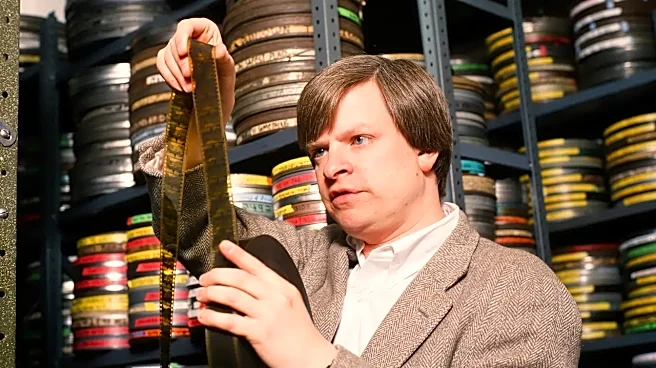
Not all digital copies of classic films are the same. Many vintage movies streaming online are sourced from old, degraded prints that look muddy, scratched, or faded. Film preservation is a painstaking process of scanning the original film negative—ideally
at a high resolution like 4K—and digitally cleaning it up frame by frame. When a studio or a dedicated archive like The Criterion Collection announces a 'new restoration', it means they've invested heavily in making the film look as good, or better, than it did upon its original release. Before you press play, do a quick search for the film's title plus '4K restoration' or 'best version'. The difference between a fresh scan and a decades-old TV transfer can be staggering, revealing details, textures, and life you never knew were there.
Check the Aspect Ratio to See the Whole Picture
Have you ever watched an old movie where the framing looks awkward or cramped? You were likely watching a version with the wrong aspect ratio. Most classic films were shot in wider formats than old 4:3 tube TVs, and many were cropped to fill the screen, a process called 'pan-and-scan' that can chop off up to half the original image. A film's aspect ratio—the ratio of its width to its height—is a crucial part of its visual language, chosen by the director to create a specific mood or composition. A wide frame might immerse you in a landscape, while a boxier one can create intimacy or tension. Streaming services sometimes default to a 16:9 ratio that fits modern TVs, which can still alter the original framing. To see the film as the director intended, look for versions labeled 'Original Aspect Ratio' and don't be afraid of the black bars at the top and bottom (letterboxing); they're a sign you're seeing the complete, uncompromised picture.
Beware of Poor-Quality Public Domain Copies
Some beloved Christmas films, like 'It's a Wonderful Life' (for a period) and 'A Christmas Carol' (1951), have fallen into the public domain, meaning their copyright expired and anyone can distribute them. This sounds great for accessibility, but it often leads to a flood of terrible-quality versions on platforms like YouTube. These are frequently sourced from cheap, multi-generational copies of battered 16mm prints, resulting in a blurry, washed-out image and garbled audio. While a studio-authorized release benefits from access to the best available film elements, public domain distributors often use whatever they can get for free. So, if a free version of a classic looks too good to be true, it probably is. Paying a few dollars to rent a restored version from an official source is almost always worth it.
Distinguish Between Restoration and Colorization
Many black-and-white classics, including 'Miracle on 34th Street', are available in 'colorized' versions. This is not the same as restoration. Colorization is the process of artificially adding color to a film that was originally monochrome. While modern AI has made the process more sophisticated than the crude, flat colors of the 1980s, most archivists and filmmakers argue it fundamentally alters the original artistic intent. Cinematographers in the black-and-white era were masters of light and shadow, and their compositions were created specifically for that medium. Film restoration, on the other hand, aims to present the original work—whether black-and-white or color—as faithfully as possible. Unless you simply have a strong personal preference for color, always opt for the original black-and-white version to experience the film's true artistry.
Listen for a Clean Audio Mix
Visuals get most of the attention, but sound is just as important to the classic movie experience. Original film audio can suffer from hisses, pops, and crackles due to the age and condition of the source material. A proper digital restoration includes cleaning up the soundtrack, removing unwanted noise, and balancing the levels so that dialogue is clear and the musical score sounds rich. Some restorations even create new 5.1 surround sound mixes, though many purists prefer the original mono track, arguing it's more authentic. Whichever you prefer, a good streaming version should offer audio that is clean and free of the distracting degradation that plagues poor-quality copies. If the sound is muffled or full of static, you're likely not watching a properly restored print.