






The Era of Intentional Embroidery
For decades, the draft-night suit has been a canvas for self-expression. We remember the gloriously oversized, pastel monstrosities of the 1990s NBA draft class—a look so iconic it’s become a source of fond nostalgia. In the modern era, that impulse has been refined,
not removed. The baggy silhouette has been replaced by razor-sharp tailoring, but the desire to make a statement remains, often moving to the inside of the jacket. It’s become a rite of passage for a top prospect to dramatically open his blazer for the cameras, revealing a custom-printed silk lining. Sometimes it’s a collage of family photos; other times, a map of their hometown or a tribute to a fallen loved one. Baltimore Ravens receiver Zay Flowers famously had a liner featuring a picture of his late mother. These are heartfelt, personal, and deeply human gestures. They are designed to tell a story, to remind the world—and the player himself—of the journey that brought him to this pinnacle. This is the fashion of “I made it,” and it’s a beautiful thing.
The Power of a Perfect Suit
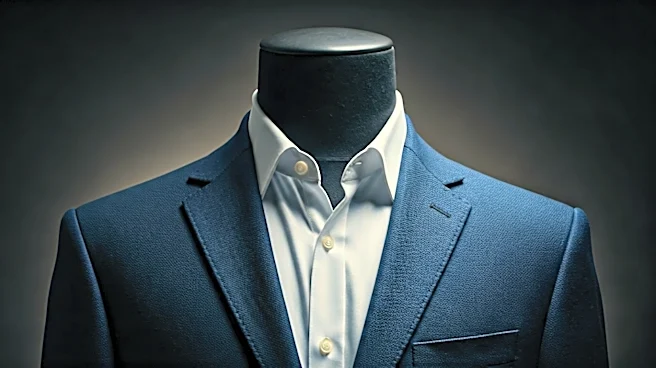
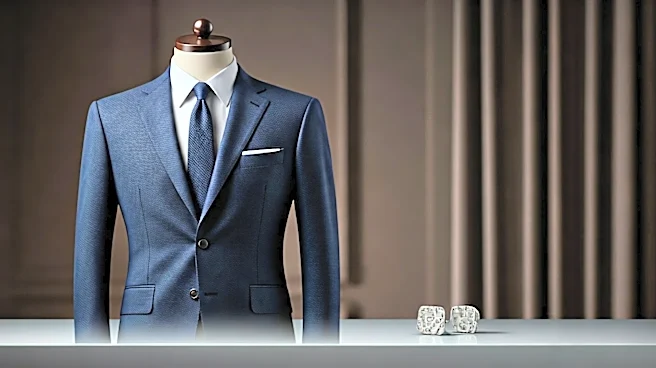
Then there’s the other approach. It’s less common, more subtle, and, arguably, more powerful. It’s the choice of a simple, classic, impeccably tailored suit. No tricks, no reveals, no hidden messages embroidered on the lining. Think of Victor Wembanyama at the 2023 NBA Draft. The most hyped prospect in a generation walked onto the stage in a clean, dark green suit. It was sharp, it was elegant, and it was understated. The outfit didn't scream for attention. It didn’t need to. The man in the suit was the story. This choice isn’t about a lack of personality or creativity. On the contrary, it’s a highly calculated decision. It sends a message of quiet confidence, of a seriousness of purpose that transcends the evening's pageantry. It says, “The spectacle is nice, but I am here to work.” It's the uniform of a future CEO, not a high-school graduate on prom night. The statement isn't the suit; the statement is that you don't need the suit to make a statement.
A Different Kind of Brand Statement
In the hyper-commercialized world of professional sports, every choice is a brand choice. An athlete’s draft-night attire is their brand’s opening salvo. The embroidered jacket builds a brand around narrative, history, and personality. It invites the audience in, asking them to connect with the player's personal story. It’s an effective and popular strategy, creating an immediate emotional hook. The restrained approach, however, builds a brand around performance, maturity, and a certain type of mystique. It’s the Tim Duncan or Derek Jeter school of thought: be so good, so consistent, and so professional that your game speaks for itself. It projects an image of an individual who is already focused on the next step—the training camp, the playbook, the championship—not one who is lingering in the celebratory moment of the draft. It suggests that their personal story will be written not on fabric, but in the record books.
The Ultimate Power Move
There is no right or wrong answer in fashion, especially when the choices are so personal. A tribute to one’s family is never a mistake. But in the context of professional first impressions, the minimalist approach is becoming a new kind of power move. In a culture saturated with noise, where every athlete is encouraged to build a loud, attention-grabbing personal brand from day one, restraint is a radical act. It demonstrates a level of self-assurance that is rare and compelling. It suggests the player understands a fundamental truth: the draft is not the destination, but the starting line. By eschewing the immediate gratification of a flashy reveal, these athletes are playing a longer game, positioning themselves not just as talented newcomers, but as future leaders and legends whose substance requires no ornamentation.