





Daemon: The Ultimate 'I Can Fix Him'
Daemon Targaryen is the internet’s problematic boyfriend, and we’re all guilty as charged. He’s impulsive, violent, and has a deeply unsettling relationship with his niece. He murders his first wife, grooms Rhaenyra from a young age, and generally acts
like the rules are for other, less-platinum-haired people. These are not just red flags; they are a full-blown crimson banner parade. So why do fans—and Rhaenyra—swoon? Because the show frames his chaos as passion and his violence as a twisted form of loyalty. Matt Smith plays him with such electrifying charisma that we, the audience, fall into the classic trap: we see the glimmers of vulnerability and project a tragic, misunderstood hero onto a man who is, by any objective measure, a menace. We don't ignore the red flags; we interpret them as proof of his 'complex' and 'passionate' nature, because a reformed monster is a far more compelling fantasy than a consistently decent man.
Rhaenyra: The Queen of 'But It's Her Turn'
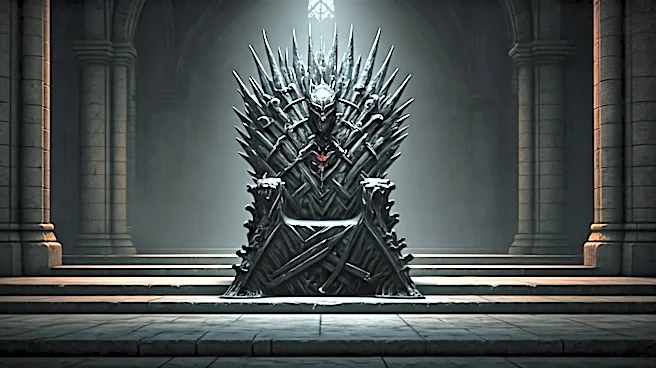
We root for Rhaenyra. It’s the entire point of the show’s setup. She was the named heir, wronged by a patriarchal system that elevated her less-qualified, petulant half-brother. We want her on the Iron Throne. But in our rush to champion her claim, it’s easy to gloss over her own brand of Targaryen entitlement. She lies about her night with Daemon, leading to Otto Hightower’s dismissal and setting in motion a decade of conflict. She carries on a very obvious affair with Harwin Strong, places her clearly illegitimate children into the line of succession, and expects everyone to just play along. This isn't just a private matter; it's a direct threat to the stability of the realm and a massive political vulnerability. We forgive it because she’s our protagonist, and her enemies are worse. It’s classic protagonist-centered morality. Her red flags feel justified because we’ve been told her cause is just, even if her methods are a recipe for civil war.
Alicent: Piety as a Weapon
Alicent Hightower is a tragedy wrapped in the green robes of piety. She didn't ask for this life; her ambitious father pushed her into the king's bedchamber when she was still a girl. We can sympathize with her predicament, but that sympathy often obscures the monster she becomes. Alicent weaponizes tradition, faith, and motherhood to justify her political maneuvers. Her self-righteousness is its own kind of red flag—the kind that believes its cruelty is divinely sanctioned. She isolates Rhaenyra, terrifies her own children with doomsday prophecies of a war for the throne, and is willing to watch the realm burn to see her blood, not Rhaenyra's, inherit power. Fans often frame her as a victim, which she is. But she’s also a willing participant in the system that victimized her, perpetuating the same cycle of misery onto the next generation. We ignore the coldness of her ambition because we feel sorry for the girl she used to be.
Criston Cole: The Incels' Knight
Sir Criston Cole begins as a dashing, honorable knight from nowhere, a fantasy archetype. Then he breaks his vows of celibacy with Rhaenyra and, when she won't abandon her duty to run away with him, his ego shatters. This is the ultimate 'nice guy' red flag. His affection was conditional, and when rejected, it curdled into a violent, misogynistic rage that lasts for decades. He brutally murders Joffrey Lonmouth at the royal wedding for simply knowing his secret. He then becomes Alicent’s vicious attack dog, tormenting Rhaenyra’s children out of pure spite. Fans who initially loved his rags-to-riches story have to consciously ignore the fact that his entire villain arc is born from a woman not centering her life around him. He is the personification of male fragility, a walking billboard for the dangers of a bruised ego, yet the show initially presents him as a romantic hero, making his turn all the more jarring—and his red flags all the more obvious in hindsight.
Larys Strong: The Creepy Foot Guy
Okay, this one might be less 'ignoring' and more 'shuddering in revulsion.' Larys 'Clubfoot' Strong is the quietest monster in Westeros, and perhaps the most dangerous. He operates in whispers, trading secrets for power and... other things. He orchestrates the murder of his own father and brother to advance his position and ingratiate himself with Alicent. His price? A deeply unsettling foot fetish scene that lives rent-free in every viewer's mind. The red flag here isn't just the kink-shaming; it's that his desires are inextricably linked to power, information, and control over a queen. He’s the ultimate opportunist, a man with no discernible loyalties beyond his own advancement. We ignore him at our peril, just as the characters do. He’s the red flag you don’t see until he’s burning down your house from the inside, and asking for a peek at your ankles as payment.