


The Golden Rule: Indoors vs. Outdoors
The most fundamental rule of hat etiquette is also the simplest: men traditionally remove their hats when they go indoors. This long-standing custom signals respect for the interior space, whether it’s a home, a house of worship, a restaurant, or an office.
But what constitutes 'indoors' in the 21st century? Think of it this way: if you're in a public transitional space like a lobby, an airport terminal, a hotel corridor, or on public transit, keeping your hat on is generally acceptable. The moment you enter a more private or formal indoor setting—like sitting down at your desk, arriving at a friend’s apartment, or being seated at a restaurant—the hat should come off. This simple gesture is a subtle but powerful sign of good manners.
An Exception for Women’s Fashion Hats
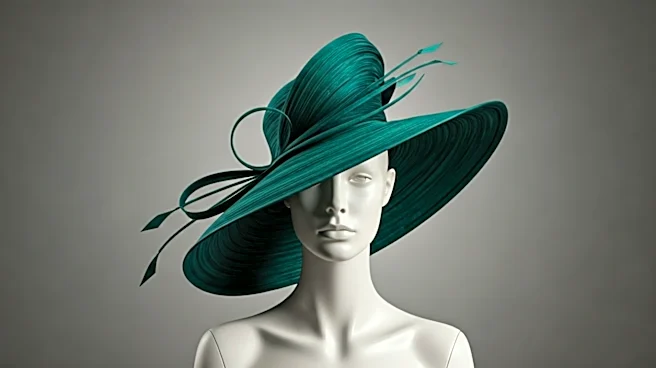
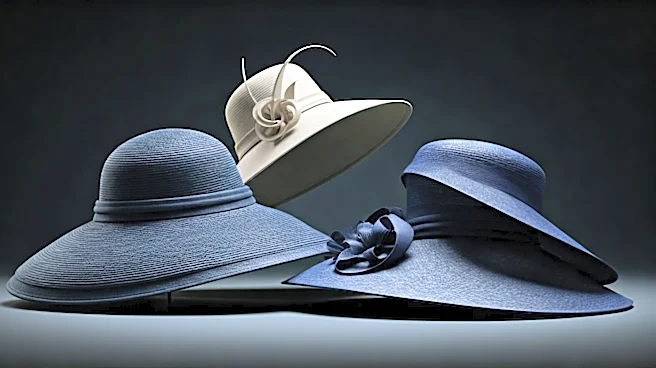
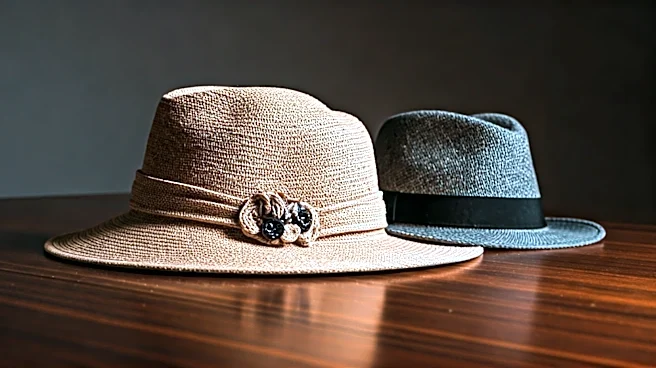
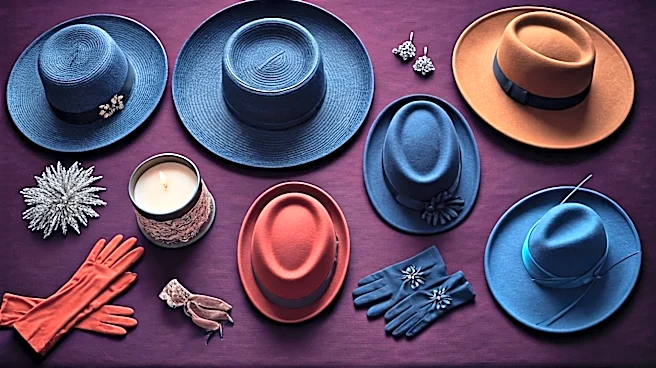
Traditionally, etiquette has been more lenient for women, who are often permitted to keep their hats on indoors, especially if the hat is considered part of the outfit. This rule comes from a time when women's hats were elaborate, often pinned into intricate hairstyles, making them difficult to remove and replace. Think of the decorative fascinators at a royal wedding or a stylish cloche worn with a vintage-inspired dress. These 'fashion hats' are seen as an accessory, akin to jewelry. However, this exception does not apply to unisex or casual hats like baseball caps, beanies, or cowboy hats. In modern practice, if a hat is functional or casual, the same 'off-indoors' rule applies to everyone.
Moments of Respect
Beyond indoor settings, specific moments call for removing your hat as a sign of deference and respect, regardless of gender. Always remove your hat during the playing of the National Anthem, when a flag passes by in a parade, or at a funeral or memorial service. It’s also customary to remove your hat when being introduced to someone for the first time, especially someone older or in a formal context. In these situations, the hat is typically held in your left hand over your heart or at your side. This isn't an outdated tradition; it's a nonverbal cue that you are present, attentive, and respectful of the person or occasion.
Never at the Table
This rule is non-negotiable and universal: never wear a hat at the dinner table. This applies to everyone, in all settings, from a casual diner to a formal restaurant. It’s considered disrespectful to your dining companions and, in a restaurant, to the establishment itself. The hat should be removed as you are being seated and can be placed on your lap or on an empty chair beside you. Don't put it on the table itself, which should be reserved for food and drink. This is one of the last ironclad rules of etiquette that has survived largely unchanged, and following it shows a degree of social awareness that always reads as sophisticated.
The Modern Baseball Cap
The baseball cap is the most common hat in America, but its casual nature doesn't exempt it from etiquette. All the main rules apply: take it off indoors (especially in homes, classrooms, and offices), during the National Anthem, and always at the dinner table. One extra tip for baseball caps: wear it facing forward. While wearing it backward or sideways is a popular style choice, it reads as extremely informal and can be perceived as juvenile or disrespectful in any setting that isn't explicitly casual, like a sporting event or a backyard barbecue. For a smarter, more put-together look, a forward-facing cap is always the better choice.