


Playing the Game with Elegance
First, it’s crucial to understand that dressing for Royal Ascot, especially in the prestigious Royal Enclosure, isn’t just about looking good—it’s about following the rules. The infamous dress code is notoriously specific: dresses must be of a “modest
length” falling just above the knee or longer, straps must be at least one inch wide, and a hat or substantial headpiece is mandatory. Jumpsuits were only officially permitted in 2017. Faced with this labyrinth of regulations, a monochrome outfit becomes a genius strategic move. It’s an easy way to ensure every component of an outfit is cohesive and compliant. By sticking to one color family, attendees sidestep the risk of a clashing accessory or a slightly-too-casual print violating the code. It's a sartorial shortcut to guaranteed elegance, projecting an air of effortless confidence in an environment where everyone is trying very hard.
The Psychology of Standing Out Quietly
Here’s the real secret: in a visually chaotic environment, simplicity is the ultimate power move. Imagine the sensory overload of Ascot: thousands of people, champagne flowing, horses thundering past, and a cacophony of bold patterns and bright colors. In this sea of visual noise, the eye craves a place to rest. A monochrome outfit provides exactly that. The unbroken line of a single color creates a long, clean, and elegant silhouette that draws the eye and holds it. It doesn’t scream for attention; it commands it. While a busy floral print can get lost in the crowd, a striking column of white, cobalt blue, or emerald green cuts through the visual clutter. It’s a principle artists have known for centuries: a block of solid color has more graphic impact than a dozen competing hues. This effect makes the wearer look poised, serene, and intentional.
The Perfect Canvas for the Main Event
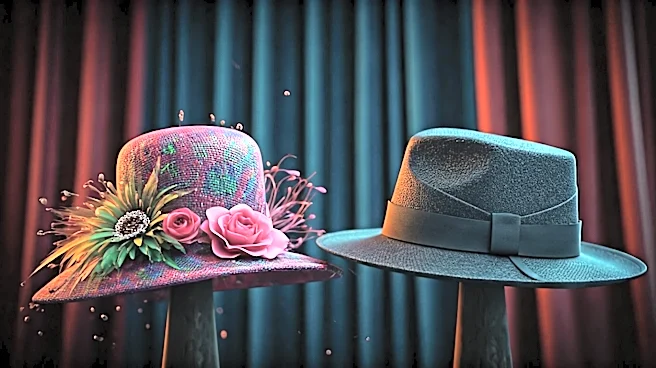
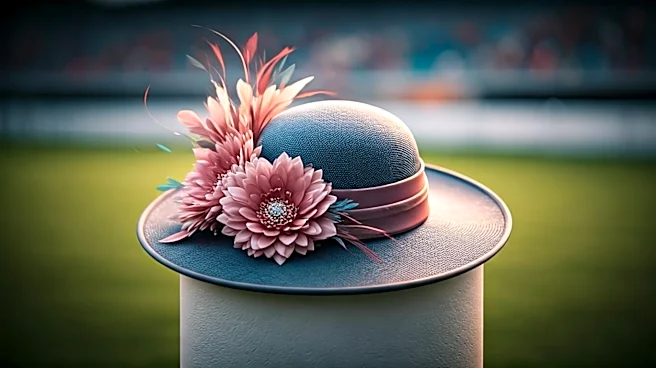
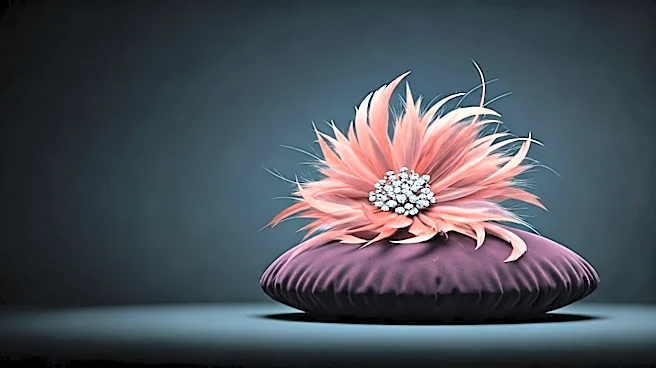
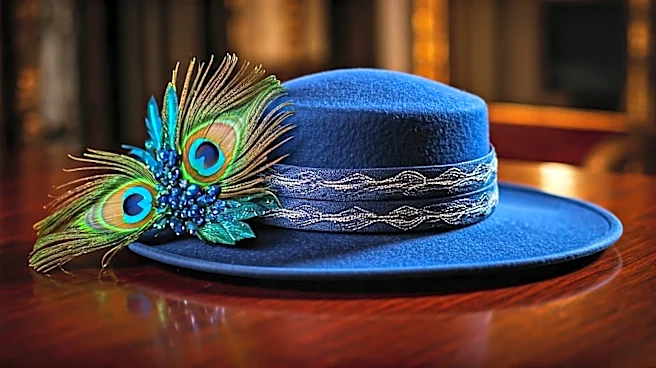
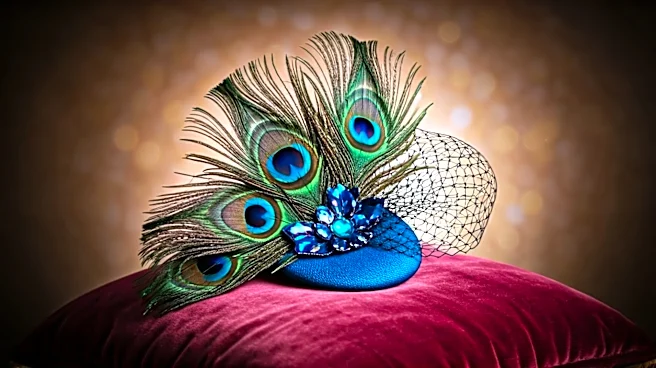
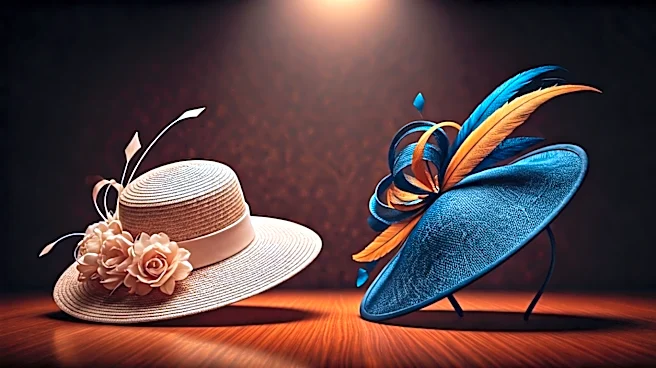
Let’s be honest: at Royal Ascot, the outfit is often just the supporting act for the true star of the show—the hat. Millinery at Ascot is an art form, a chance for gravity-defying sculptures, whimsical creations, and breathtaking architectural feats. A busy, multi-colored outfit competes with an elaborate headpiece, creating a look that feels cluttered and overwrought. A monochrome ensemble, however, does the opposite. It acts as the perfect, understated canvas. The single-color dress or jumpsuit creates a neutral-by-comparison backdrop that allows the hat’s design, color, and texture to truly sing. Think of it as a gallery wall: you paint it a clean, solid color to make the artwork pop. For style veterans and royals like the Princess of Wales, who are masters of this code, the monochrome outfit isn’t a boring choice; it’s a deliberate decision to frame the millinery to maximum effect.
A Nod to Timeless Tradition
Finally, dressing in a single color taps into a long and storied tradition of formal and regal attire. It feels classic for a reason. From Queen Elizabeth II’s famous color-blocked outfits designed to make her visible in a crowd, to the iconic black-and-white ensembles of Audrey Hepburn in *My Fair Lady*’s own Ascot scene, monochrome has long been synonymous with sophisticated, high-stakes dressing. It avoids the fleeting whims of seasonal trends in favor of something more enduring and powerful. By choosing a single hue, attendees are aligning themselves with a timeless vision of elegance, one that telegraphs an understanding of history and a respect for the formality of the occasion. It’s a look that would have been chic in 1964 and will still look chic in 2044, giving it an authority that a trendy print simply cannot match.