






Deep Conditioner: The Weekly Repair Crew
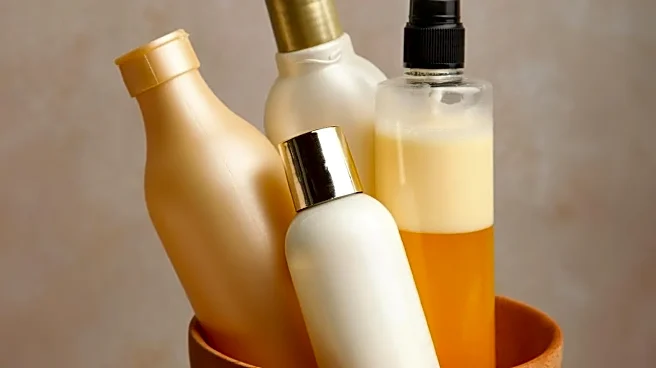
Think of a deep conditioner as an intensive treatment, not a daily driver. These products are formulated with higher concentrations of nourishing ingredients like oils, proteins, and butters. Their job is to penetrate the hair shaft, delivering a potent
dose of moisture and strength from the inside out. This is the product you use when your hair feels dry, brittle, or has been stressed by coloring, heat styling, or environmental factors. You typically apply it after shampooing, let it sit for 15 to 30 minutes (sometimes with heat to help it absorb), and then rinse it out completely. Using it once or twice a week is usually plenty; any more can lead to buildup and weigh your hair down.
Leave-In Conditioner: The Daily Hydration & Protection
If deep conditioner is a weekly treatment, leave-in conditioner is your daily moisturizer and shield. It’s a much lighter product, often a spray or a cream, designed to be applied to damp hair after showering and left in—no rinsing required. Its primary goals are to provide lightweight moisture, detangle knots, reduce frizz, and add a layer of protection against daily wear and tear. Many also offer heat protection from styling tools like blow dryers. For those with curly, coily, or very dry hair, a leave-in isn't just a styling aid; it's a crucial step for maintaining moisture and manageability between washes.
The So-Called Disagreement Is Really About Context
Here’s the secret: stylists don't actually disagree on what these products fundamentally do. The debate you hear is about application, frequency, and suitability for different hair types, not a battle over which product is “better.” A stylist might advise a client with very fine, easily weighed-down hair to use a deep conditioner sparingly (perhaps only on the ends) and skip a creamy leave-in altogether. Conversely, for a client with thick, coarse, or curly hair, they might recommend both—a weekly deep conditioning treatment for repair and a daily leave-in for moisture and frizz control. The perceived conflict arises when one-size-fits-all advice is given without considering the unique canvas of a person's hair. The real reason for the varying advice is personalization. A good stylist knows that the right product regimen is entirely dependent on hair texture, porosity, and damage level.
How to Choose: A Cheat Sheet for Your Hair Type
So, which one (or both) should you use? It's all about diagnosing your hair's needs. For Fine or Oily Hair: You're most at risk of weighing your hair down. Use a lightweight deep conditioner once or twice a month, focusing on the ends. Opt for a very light, mist-style leave-in conditioner, and use it only when you need extra detangling or frizz control. For Dry or Brittle Hair: Your hair is thirsty. Incorporate a deep conditioner into your routine with every wash or at least weekly to restore moisture and elasticity. A creamy leave-in conditioner applied to damp hair will be your best friend for daily hydration and protection. For Curly or Coily Hair: Moisture is everything. A weekly deep conditioning session is non-negotiable to maintain strength and definition. A leave-in conditioner is an essential daily step to detangle, hydrate curls, and prevent frizz. You'll likely benefit most from using both products consistently. For Color-Treated or Damaged Hair: Your hair needs intensive repair. A deep conditioner with protein can help rebuild compromised strands and should be used weekly. A leave-in conditioner will provide a necessary layer of protection against further damage and help maintain moisture in your more porous strands.