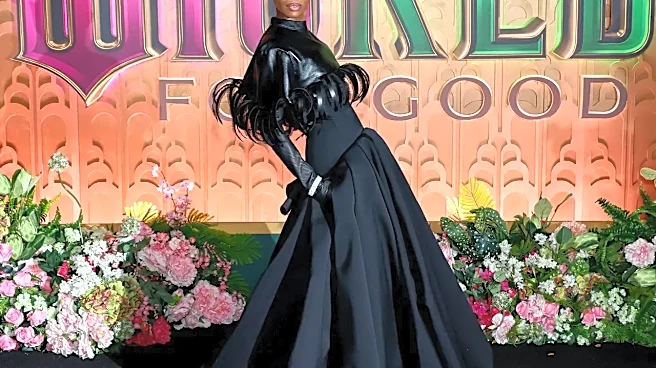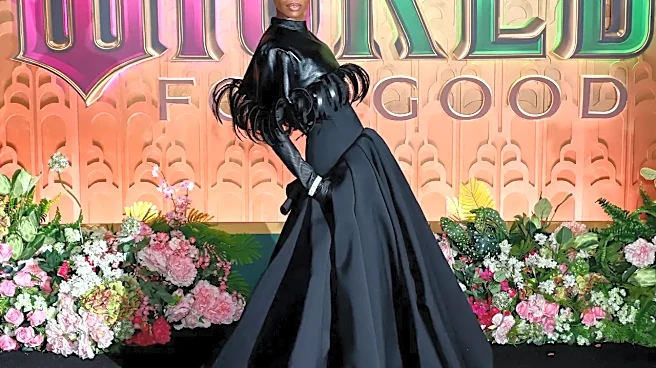




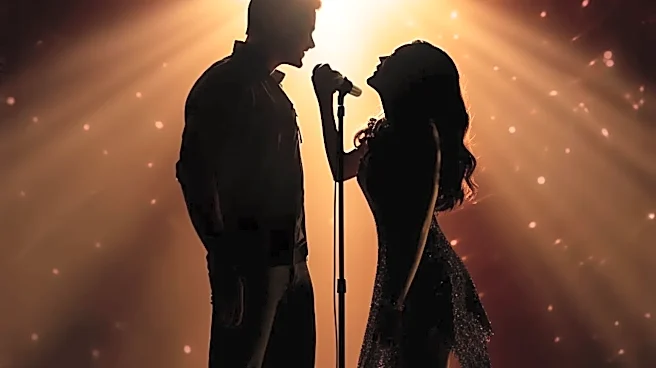
It’s one of modern musical theater's most beautiful and heartbreaking farewells. Yet, the song 'For Good' is more than just a tearjerker; it's the center of a decades-long debate that cuts to the very core of what 'Wicked' is all about.
A Friendship Changed 'For Good'
On the surface,
the song 'For Good' is a poignant duet of reconciliation. Elphaba, now branded the Wicked Witch of the West, is about to fake her own death to escape persecution. Glinda, now a political figurehead, arrives to say goodbye to the only friend who ever truly mattered. The lyrics, penned by Stephen Schwartz, are a masterclass in emotional clarity. Both women acknowledge the profound impact they've had on each other's lives. 'I know I'm who I am today because I knew you,' Glinda sings, admitting how Elphaba challenged her superficiality. They accept that blame is shared for how things turned out and that their stories are forever rewritten because they were friends. It’s a moment of mutual forgiveness before they part forever—or so Glinda believes. Elphaba escapes with a presumed-dead Fiyero (now the Scarecrow), leaving Glinda alone to rule Oz, forever protecting her friend's secret legacy.
The Heart of the Debate: Forgiveness or a Free Pass?
Here's where the Emerald City gets murky. The central debate isn't about the song's beauty, but its moral implications. One camp of fans sees 'For Good' as a testament to mature friendship—a recognition that love and loss can coexist and that forgiveness is a powerful, restorative act. But another, more critical camp asks a pointed question: Does Glinda actually deserve this forgiveness? For much of the story, Glinda is, at best, a passive bystander to the injustices Elphaba fights against. At worst, she's an active participant. Her desire for popularity and her initial complicity with the Wizard's regime directly contribute to Elphaba's suffering and public vilification. In a moment of jealous rage, it's Glinda who carelessly suggests to Madame Morrible how to trap Elphaba, a suggestion that leads to Fiyero's capture and presumed death. For these fans, 'For Good' can feel like Glinda gets an easy pass, receiving absolution without fully atoning for the harm she caused.
Glinda's Complicated Path to 'Good'
The entire debate really hinges on your interpretation of Glinda's character arc. Is she a fundamentally good person who makes mistakes out of insecurity, or is she a privileged opportunist who only finds her conscience when it's too late? The musical intentionally leaves this open to interpretation. Glinda's journey is one of learning that being 'good' is more than being popular; it requires responsibility and sacrifice. She starts as a 'girl in the bubble,' oblivious to the world's ugliness, and ends as the leader of Oz, forced to carry the weight of a monumental lie to protect her friend and stabilize the kingdom. Elphaba's sacrifice forces Glinda to finally step up, banishing the Wizard and arresting Madame Morrible. In this light, their final duet isn't about wiping the slate clean. It’s an acknowledgment that Glinda’s journey toward becoming 'Glinda the Good' was only possible because Elphaba, the 'wicked' one, showed her the way.
Why the Debate Will Never Die
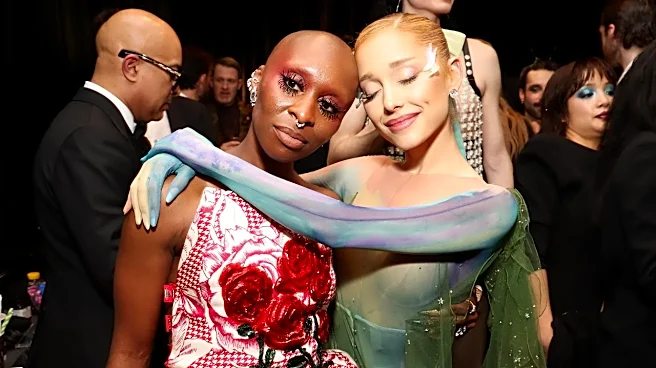
Ultimately, the reason 'For Good' remains such a hot topic is that its ambiguity is the entire point. 'Wicked' is a story about deconstructing labels. It challenges the audience to look past the simplistic narratives of 'good' versus 'evil' that we're often fed. The ending doesn't offer a neat resolution because life, and morality, are rarely neat. Does Elphaba's noble lie justify Glinda much benevolent autocracy? Does Glinda much eventual growth excuse her earlier cruelty? The story provides no easy answers. With the two-part film adaptation bringing the tale to a new generation, this debate is set to intensify. Cynthia Erivo much Elphaba and Ariana Grande much Glinda will give millions more a chance to ask themselves the same question fans have pondered for years: What does it truly mean to be good?