



The Engine Room of the Pitch
First, let's talk about the 'midfield.' In soccer, the game isn't won in front of the goal; it's won in the sprawling territory between the two penalty boxes. A team with midfield control dictates everything. They set the tempo, deciding whether the game is a frantic track meet or a patient chess match. They link the defense to the attack, turning a stopped play into a dangerous counter-attack in seconds. They disrupt the opponent's rhythm, forcing them into uncomfortable positions and hurried decisions. A dominant midfield doesn’t just possess the ball; it possesses the narrative of the game. It’s the engine, the rudder, and the central nervous system all at once. Without it, your star forwards are isolated islands, and your defenders are under
constant siege.
Owning the Boards, Owning the Game
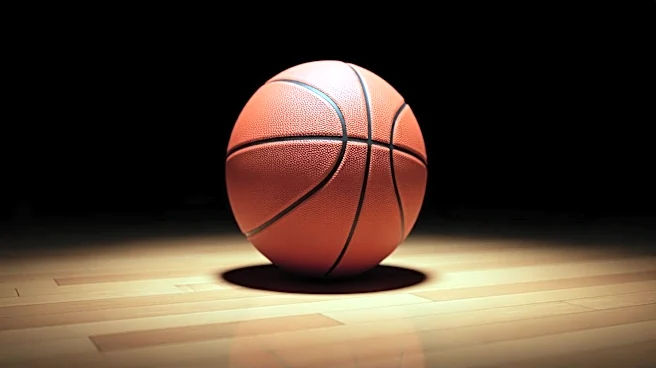
Now, let’s translate that to the hardwood. 'Winning the glass' is basketball slang for dominating rebounds, both off your opponent's misses (defensive rebounds) and your own (offensive rebounds). On the surface, it’s simple: get the ball. But strategically, it’s the basketball equivalent of midfield control. A great defensive rebounding team does exactly what a great midfield does: it ends the opponent's attack cleanly and immediately starts its own. Grabbing a defensive board isn't just a stop; it's the ignition for a fast break. It allows a team to control the pace, pushing the ball for an easy layup rather than constantly battling against a set defense. It denies the other team the soul-crushing second-chance points that keep them in a game they should be losing.
The Art of the Second Chance
Offensive rebounding is where the analogy becomes even more powerful. An offensive rebound is a brutal psychological and tactical blow. It's telling your opponent, 'Your defense was perfect, but it didn't matter.' It completely resets the shot clock, granting a team another possession—another full opportunity to run their offense and find a better shot. This is midfield dominance personified. It's a form of sustained pressure that wears down an opponent physically and mentally. A team that is relentless on the offensive glass forces the defense to work longer, expend more energy, and become more prone to fouls and mistakes. It’s no longer a 24-second possession; it’s a 30, 40, or even 50-second siege. Like a midfield that recycles possession and keeps probing for a weakness, an offensive rebounding machine refuses to let the opponent breathe.
More Than Just a Stat
Think of the legendary rebounding teams or players—the Dennis Rodman-led Chicago Bulls, the 'Grit and Grind' Memphis Grizzlies, or a modern force like Steven Adams. Their impact was never just about the raw numbers in the box score. It was about the feeling of inevitability they created. Opponents knew that every missed shot was a 50/50 ball at best. They knew a defensive stop wasn't truly a stop until they secured the ball and cleared the area. This constant pressure changes how the other team plays. Shooters feel a little more pressure on their release, knowing a miss might lead to an easy two points going the other way. Big men get into foul trouble trying to box out. The entire geometry and rhythm of the game bend around the team that controls the glass. They are controlling the flow, the pace, and the possessions—the very things a dominant soccer midfield is praised for.