




The Art of the Second Glance
In fashion, the front of a garment is the introduction—it’s what people see first. But the back is the conversation. Shifting the focal point from front to back is a sophisticated design choice that plays with expectation and surprise. While a plunging
neckline or a bold print on the chest is a direct statement, a detailed back is a subtle reveal. It creates a 360-degree experience, rewarding those who pay attention to more than just the first impression. This approach transforms the wearer from a static image into a dynamic one, where the most compelling view is often the one you see as they walk away. It’s a power move, suggesting a confidence that doesn't need to be announced head-on.
A Brief History of the Bare Back
The concept isn't entirely new, but its meaning evolves with every generation. The backless dress first gained traction in the rebellious 1920s as corsets disappeared and a new physical freedom emerged. By the 1930s, a tanned back became a symbol of leisure and modern glamour, an idea solidified by Hollywood's slinky, bias-cut gowns worn by stars like Jean Harlow. In an era of strict censorship, exposing the back was a clever way to be sensual without breaking rules. This allure was famously captured by French actress Mireille Darc in a 1972 film, wearing a Guy Laroche dress that appeared modest from the front but dipped daringly low in the back. Later, designers like Alexander McQueen and Tom Ford revisited the silhouette, using it to challenge conventions and explore a darker, more complex sensuality.
The Architectural Element
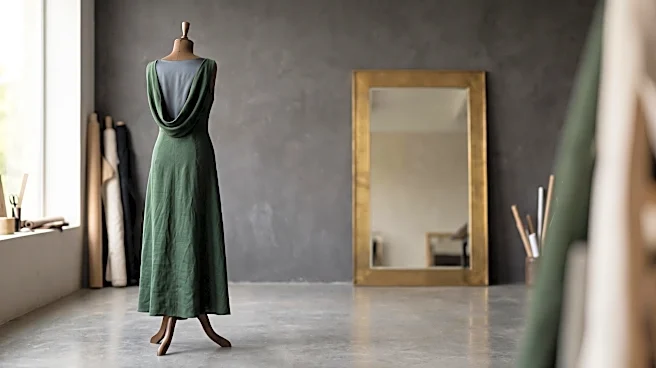
Beyond simply baring skin, modern designers often treat the back as an architectural canvas. Instead of just removing fabric, they add structure, detail, and form. Think of it as the difference between a simple window and an ornate facade. Designers use techniques like intricate draping, sculptural pleating, and geometric cutouts to create visual interest. A garment might feature a sharp, asymmetrical cut across the shoulder blades, a complex lattice of straps, or a cascade of ruffles down the spine. This approach borrows from architecture, where form, function, and structure are intertwined. The back of a blazer might have an unexpected vent or pleat, while a simple blouse could be transformed by a row of buttons worn in reverse, turning a functional element into the main event. This focus on construction highlights the designer's craft and the wearer's appreciation for detail.
The Psychology of a Backward Glance
Choosing to emphasize the back of an outfit sends a unique psychological message. It can communicate a quiet confidence and a sense of self-possession. The wearer isn't demanding attention but rather inviting it. This can be perceived as more intriguing than a direct, frontal display. Psychologically, clothing acts as a "second skin" that influences our confidence and identity. A back-focused design plays on the idea of vulnerability and strength simultaneously. It exposes a part of the body often kept hidden, yet does so in a controlled, deliberate way. This duality can feel empowering, offering a sense of liberation and self-expression. Streetwear has also adopted this philosophy, using the back of hoodies and jackets as a primary canvas for bold graphics and statements, ensuring the message is seen as the wearer moves through a crowd.