









The Cathedral of Noise: Mexico City
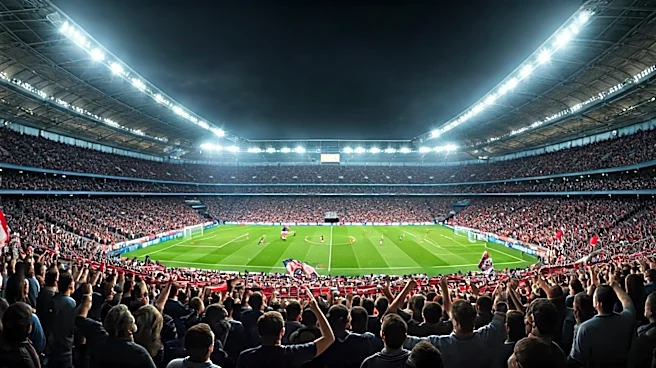
There are loud stadiums, and then there is the Estadio Azteca. Set to become the only venue to host three World Cups, its legacy is built on history and intimidation. The sheer scale of over 80,000 passionate fans, combined with the city's altitude of 7,200
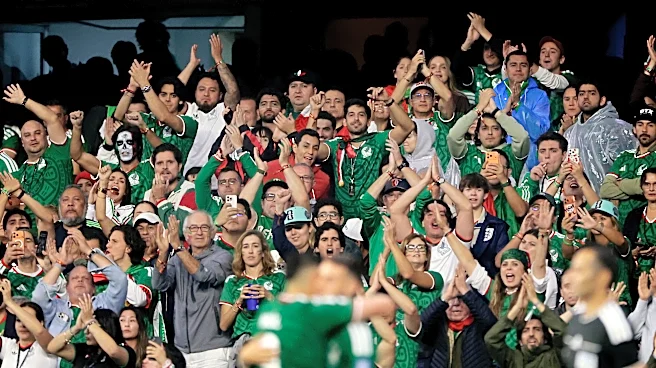
feet, creates a daunting environment for visiting teams. The stadium's bowl design traps and amplifies sound, turning chants into a swirling vortex of noise that seems to roll down from the steep upper tiers. For the 2026 opener, the atmosphere promises to be a showcase of Mexico's relentless soccer culture, where the celebration starts hours before the match and spills into the streets. This isn't just a place to watch a game; it's a pilgrimage for those who believe atmosphere is as important as the action on the pitch.
The Modern Fortress: Seattle
Known for its tech scene and coffee, Seattle has also built a reputation as one of North America's premier soccer cities, largely thanks to the intense atmosphere at Lumen Field. The stadium was literally engineered to be loud. Its partial roof and sharply angled seating were designed to trap sound and reflect it back onto the field, creating the infamous “12th Man” effect that has rattled NFL opponents for years. Seahawks fans have twice set the Guinness World Record for crowd roar at an outdoor stadium. That acoustic advantage now belongs to soccer fans. The city’s dedicated supporters, known for their “March to the Match” tradition, bring a level of organized passion that has become a blueprint for other MLS clubs. For the World Cup, expect this modern fortress to be one of the tournament's most overwhelming sonic experiences.
The Unofficial Record-Holder: Kansas City
While Mexico City has the history and Seattle has the acoustics, Kansas City's Arrowhead Stadium has the official paperwork. It holds the Guinness World Record for the loudest crowd roar ever recorded at 142.2 decibels—louder than a jet engine. Though achieved during a Chiefs NFL game, the stadium's raw architectural power is undeniable. The steep, enclosed concrete bowl is designed to trap sound and fire it directly onto the pitch. As the smallest host city for the 2026 tournament, Kansas City has embraced its role with a vibrant, welcoming energy, drawing huge crowds to its fan festivals. Arrowhead provides a pure, un-manufactured noise. It's less about specific chants and more about a constant, resonating wall of sound, making it a must-visit for travelers who define a great crowd by its sheer decibel level.
The Passionate Hotbed: Guadalajara
While Estadio Azteca gets the global attention, Guadalajara's Estadio Akron offers what might be the most authentic and intense fan experience in Mexico. Home to Chivas, one of the country's most beloved and historically significant clubs, the city lives and breathes soccer. The stadium, nicknamed “The Volcano” for its unique cone-like design, is modern, intimate, and known for positioning fans extremely close to the action. This proximity, combined with the passionate local fan culture forged in fierce club rivalries, creates an electric atmosphere. Though smaller than other venues on this list, it's expected to deliver one of the most vibrant and passionate environments of the tournament, especially when Mexico plays a group stage match here. It’s a destination for fans who want to feel the heartbeat of Mexico’s soccer identity.