





The Uniform of Belonging
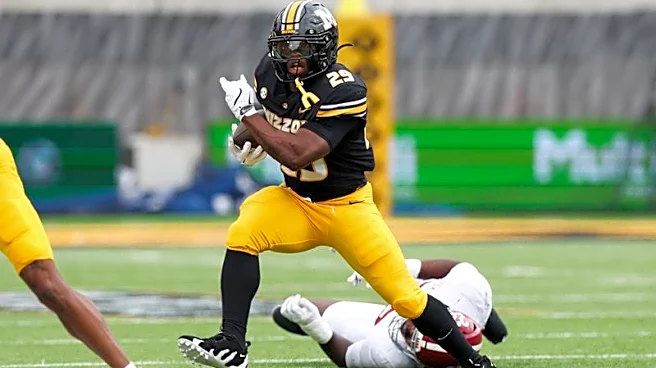
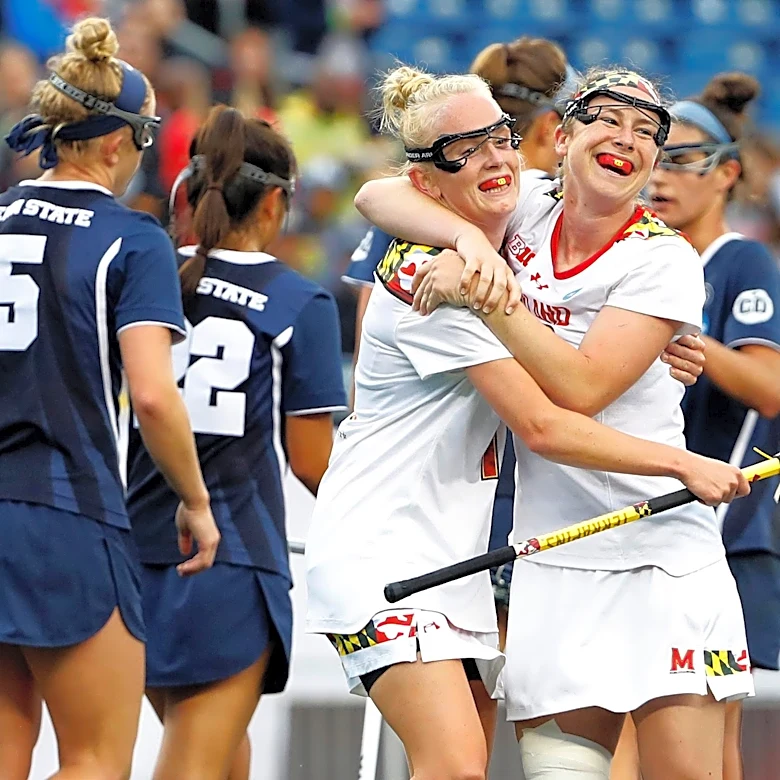
At its core, fashion is about signaling identity, and nowhere is that more powerfully on display than in a stadium parking lot. Wearing a team’s colors is a visual shortcut to community. It’s an instant bond, turning thousands of strangers into a temporary
tribe with a common purpose. Psychologists refer to this as 'enclothed cognition'—the idea that what we wear can actively shape how we think and feel. When fans don matching gear, they aren't just supporting their team; they're reinforcing a shared social identity, which boosts feelings of belonging and collective confidence. This isn't just about looking like a team; it's about feeling like one, creating a powerful sense of unity and pride that starts long before kickoff.
More Than a Logo T-Shirt
The idea that game day style is low-effort is years out of date. While a simple team tee is always acceptable, tailgate fashion has evolved into a sophisticated subculture of its own. In some regions, like the SEC, dressing up in dresses and stylish boots in team colors is an unspoken expectation. Elsewhere, it’s a hotbed of DIY creativity, with fans customizing jackets, bedazzling denim, and creating one-of-a-kind pieces. Social media is fueling this explosion of creativity, as students and fans share 'get ready with me' videos and outfit inspiration, turning tailgates into weekly fashion showcases. From Western-inspired looks with cowboy boots to curated athletic sets, the modern tailgate is a runway of personal expression within a collective theme.
An Overlooked Economic Engine
What the fashion press may see as a niche interest, the business world sees as a multi-billion dollar market. Revenue from collegiate licensed merchandise alone runs into the hundreds of millions of dollars annually for the NCAA. This doesn't even account for the massive cottage industry of non-licensed apparel sold by small businesses on platforms like Etsy, local boutiques in college towns, and designers who cater specifically to game day culture. These entrepreneurs are nimble, responding to micro-trends and player hype in real time. The rise of Name, Image, and Likeness (NIL) deals has further amplified this, with athletes launching their own apparel lines and collaborating with brands, turning their personal style into a direct source of income. It's a vibrant economic ecosystem completely ignored by traditional fashion analysis.
Why Doesn't High Fashion Care?
So if tailgate fashion is this culturally significant and economically powerful, why the cold shoulder from the style elite? The answer lies in the very nature of the mainstream fashion industry, which often prioritizes exclusivity, designer labels, and a top-down approach to trends. Tailgate fashion is the opposite: it's grassroots, democratic, and deeply regional. Its primary goal isn't avant-garde innovation but authentic expression and community bonding. High fashion is often drawn to individual athletes as style icons—think of tunnel walks becoming impromptu runways—but it struggles to appreciate the collective, fan-driven phenomenon. It’s not 'designed' by a single name, and its value is measured in team spirit, not price tags. This makes it difficult to package for a glossy magazine spread, but that’s precisely where its power lies.