







That feeling you get when Halloween decorations appear in August has a cinematic equivalent. The annual flood of horror movies seems to start earlier each year, but it's not just your imagination—it's a calculated business strategy.
The September Sweet Spot
For decades, October
was the undisputed home of horror. It makes intuitive sense: as Halloween approaches, audiences are culturally primed for scares. However, studios have discovered that waiting until October means competing in a crowded, noisy market. Releasing a major horror film in September provides a crucial head start. This strategy allows a film to build word-of-mouth momentum and dominate the conversation before the Halloween rush truly begins. A prime example is the record-breaking success of 'It' (2017), which launched in early September and demonstrated the massive box office potential outside the traditional October window. This approach gives a film several weeks of runway to build its audience, so by the time Halloween actually arrives, it has already established itself as a must-see event. An early release avoids audience burnout and the risk of getting lost among a dozen other horror titles all dropping in the same few weeks.
Owning a Weekend
The fall movie season, once considered a 'dump month' after the summer blockbusters and before the holiday prestige films, has become fertile ground for horror. Horror films often have modest budgets compared to superhero epics, making them perfect counter-programming. While bigger films might need a holiday weekend to recoup massive costs, a well-timed horror movie can dominate a quiet late-September or early-October weekend and become hugely profitable. Franchises like 'Saw' and 'Paranormal Activity' historically owned the weekends leading up to Halloween, creating an appointment-viewing habit for fans. By claiming a specific weekend, studios create a clear signal for horror fans. It tells them, 'This is the weekend to get your scare on'. This also prevents two major horror films from opening on the same day and cannibalizing each other's audience, a common concern in the summer.
Streaming Changed the Calendar
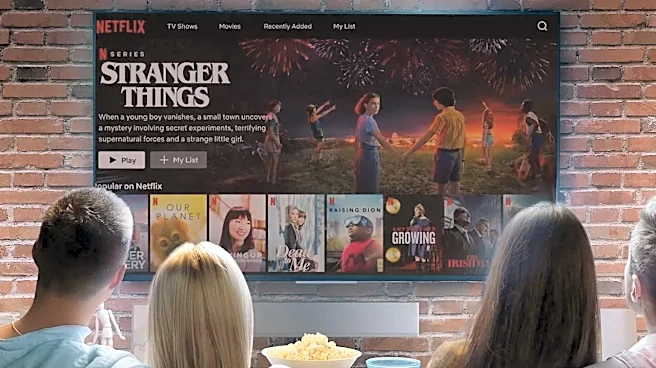
The rise of streaming services has both complicated and amplified seasonal release strategies. While a theatrical release needs weeks to build an audience, a streaming platform can drop a horror movie anytime in October to capitalize on the existing mood. Services like Netflix, Hulu, and Disney+ now curate entire 'Huluween' or 'Netflix & Chills' collections, mixing new releases with classic library titles. This creates a constant supply of spooky content for subscribers, but it also raises the bar for new films to stand out. For streamers, the goal isn't just a big opening weekend, but sustained engagement throughout the month. A new horror film can act as a flagship title, drawing subscribers to the platform where they might stay to watch other Halloween-themed content. This is why you'll see a mix of high-profile horror premieres and family-friendly Halloween favorites like 'Hocus Pocus' all promoted heavily starting as early as September.
The Logic of Not Releasing on Halloween
It might seem logical to release a Halloween-themed movie on Halloween itself, but it's actually one of the worst days for a premiere. By October 31st, many potential moviegoers are busy with parties, trick-or-treating, or other holiday activities. A film's opening weekend is its most critical period for earning revenue and generating buzz. Releasing on Halloween means missing out on that crucial initial surge. The ideal strategy is for a film to peak in popularity just before Halloween, becoming part of the cultural conversation and the go_to movie for weekend plans leading up to the holiday. By the time Halloween night arrives, the film has already had a successful theatrical run, and audiences can choose to see it as part of their celebration, rather than having to choose between the film and the holiday itself.