





Characters Steeped in The Biz
The show's foundation is built on characters whose identities are inseparable from their show-business pasts. Charles-Haden Savage (Steve Martin) isn't just a resident; he's the man who was once America's favorite TV detective, Brazzos. This '90s cop
show, with its cheesy catchphrase, "This sends the investigation into a whole new direction," is more than a running gag. It’s the source of his faded fame, his financial security, and a past that constantly haunts his present, influencing everything from his investigative instincts to his romantic anxieties. Similarly, Oliver Putnam (Martin Short) is the quintessential theater director, a man of endless ambition and catastrophic failures. His career is defined by infamous flops like "Splash! The Musical," a disaster that not only cost him his reputation but also his son's college fund. This history of theatrical flameouts makes him more than just a funny, dip-loving neighbor; it makes him a man desperate for a second act, a comeback story he believes the podcast can provide. His entire worldview is a stage, where he sees every suspect list as a casting call and every murder reveal as an opening night.
When Broadway Becomes a Crime Scene
Nowhere is this use of lore more apparent than in Season 3, which centers on the production (and immediate collapse) of Oliver's new Broadway play, "Death Rattle." The mystery isn't just set against a theatrical backdrop; its clues are embedded in the very language and rituals of the stage. The plot hinges on the audience understanding theatrical concepts, most notably the patter song. Charles's season-long struggle to master the tongue-twisting number "Which of the Pickwick Triplets Did It?" isn't just a comedic subplot; it’s a core character arc about overcoming anxiety and a crucial plot device. The song itself, co-written by Broadway legends like Marc Shaiman and Scott Wittman ("Hairspray"), is a loving tribute to a very specific, challenging style of musical theater performance. By making knowledge of patter songs and theatrical superstitions essential to the narrative, the show rewards viewers who are in on the joke while cleverly explaining it to those who aren't.
The Arconia as a Living Museum
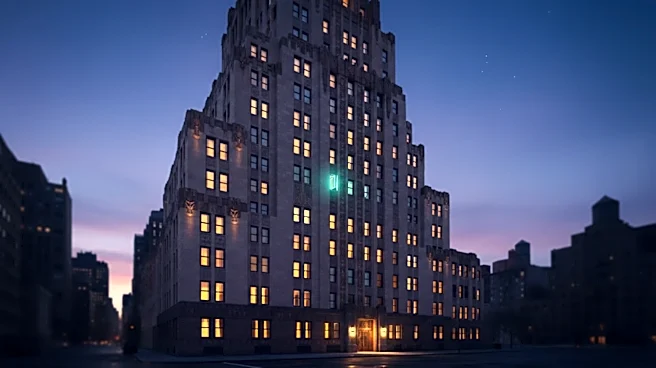
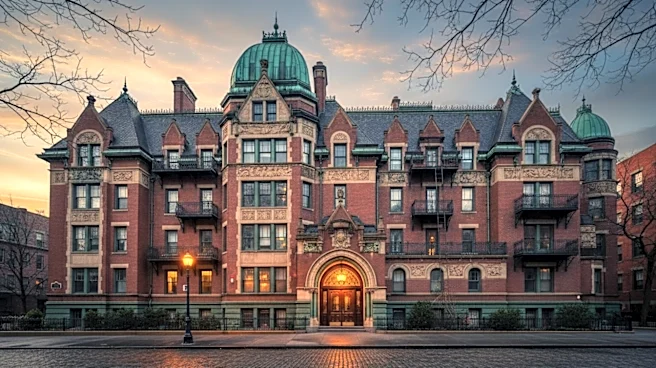
The show’s primary setting, the Arconia, is more than just an apartment building; it's a vertical archive of New York artistic history. While the exterior shots use the real-life Belnord, the building's spirit is inspired by the Ansonia, a hotel famous for its own scandalous history and celebrity residents, from Babe Ruth to Igor Stravinsky. This concept of the building as a repository of stories is central to the show. The Arconia is filled with residents who are former dancers, retired musicians, and aging actors, each with their own tales of fleeting fame and quiet desperation. In Season 2, the mystery even delves into the building's past, involving a secret history tied to Charles's actor father and a valuable painting. This turns the entire building into a character, a living museum where the ghosts of show business past are just as likely to be suspects as the living.
More Than Just an Inside Joke
Ultimately, the show’s reliance on show-business lore is what elevates it beyond a standard whodunit. It’s a thematic choice that deepens the story's core ideas about performance, legacy, and the narratives we create for ourselves. The series constantly plays with the line between reality and performance, from the podcast itself—which commercializes real tragedy—to the characters' own lives. Oliver directs his life as if it's a play, Charles struggles to escape the shadow of his one iconic role, and even the murder victims often get to narrate their own stories. This use of old lore isn't merely for laughs or inside jokes; it’s the engine that drives the show’s heart. It's a commentary on a world where everyone is performing, whether on a Broadway stage, a 90s TV set, or in the hallways of their own apartment building.