




Establishing the 'Want' vs. the 'Need'
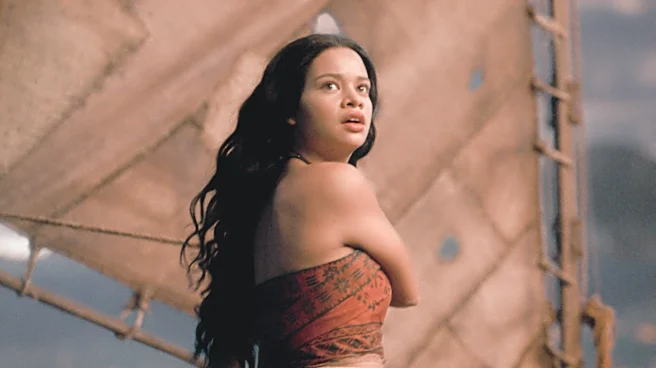
Every great protagonist is defined by a conflict between what they think they want and what the story knows they need. For Moana, this is established immediately. She is told her place is on the island, to be a good daughter and a future chief. But she constantly
finds herself staring at the horizon. This internal struggle is perfectly crystallized in the film’s “I Want” song, “How Far I’ll Go.” Written by Lin-Manuel Miranda, the song is a narrative powerhouse. It outlines her deep-seated desire to explore the sea, contrasting it with her love for her family and her duties. The lyrics articulate her feeling of being an outsider in her own home, convinced something is wrong with her for wanting more than the perfect life she has. This song isn't just a catchy tune; it’s the story’s mission statement, giving the audience a powerful reason to root for her journey.
The Ocean as a Character
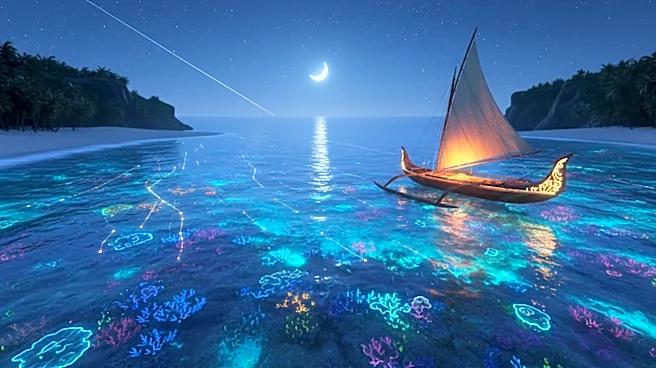
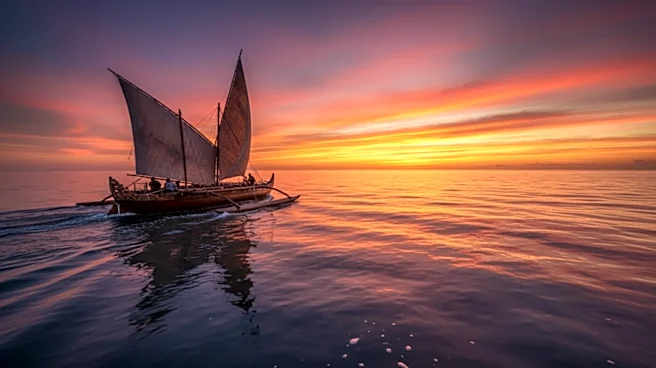
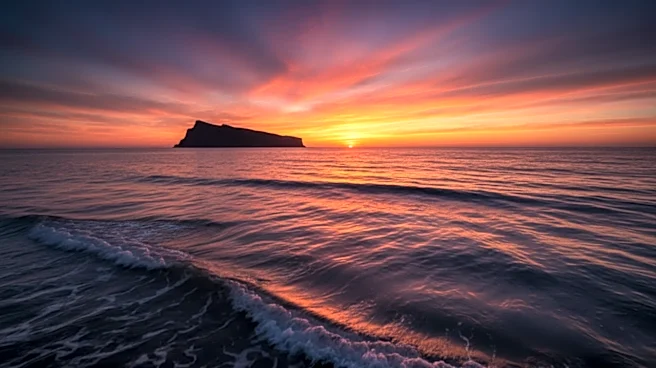
One of the most brilliant decisions was to personify the ocean. In Polynesian cultures, the ocean is often seen as a connecting force, not a barrier. The script takes this cultural concept and makes it literal. From the moment it playfully interacts with a toddler Moana, the ocean is established as a sentient being with a will of its own. The animation team collaborated heavily to bring this to life, using a combination of hand-drawn tests and advanced software to give the water a personality. However, the writers set clear rules: the ocean can guide and nudge, but it cannot solve Moana’s problems for her. It can deliver her to Maui’s island after a storm, but it can’t make him help her. This distinction is crucial. It ensures Moana retains her agency. The ocean chose her, but she has to prove she is worthy of that choice.
The Call vs. The Choice
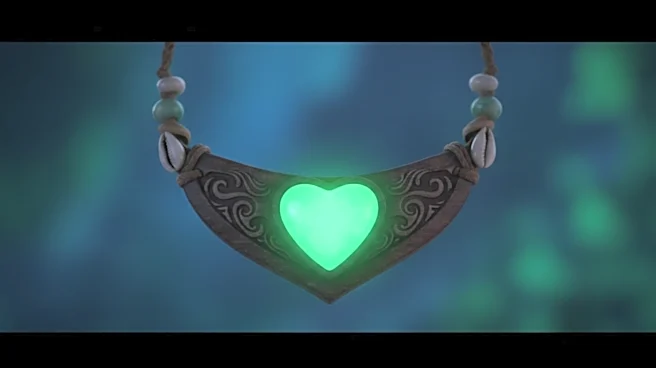
The “call to adventure” is a staple of the hero’s journey, a structure Moana follows almost perfectly. The island’s crops are failing, and the fish are gone—an external problem that forces Moana to act. But the script smartly ties this external need to her internal desire. Her grandmother Tala, the village mentor, reveals their people were once voyagers, validating the call Moana has felt her whole life. This transforms her journey from a simple quest to an act of self-discovery. Screenwriter Jared Bush noted this was central to the story: a universal struggle of finding your identity. Moana’s lowest point comes when she fails and asks the ocean to take back the heart and choose someone else. In that moment of doubt, the spirit of her grandmother appears, not to command her, but to remind her of who she is. It is only after this that Moana chooses, on her own terms, to reclaim her mission.
Crafting the Climax Around Character
A lesser script might have ended with a massive battle. Instead, Moana’s climax is a moment of empathy and understanding. After fighting to get past the lava monster Te Kā, Moana realizes that the monster is actually the goddess Te Fiti, corrupted after her heart was stolen. Moana doesn't win by fighting harder, but by seeing the truth. She walks to the raging monster and sings, “I have crossed the horizon to find you… This is not who you are. You know who you are.” In that moment, she is not just speaking to Te Kā/Te Fiti; she is speaking about her own journey of self-discovery. By restoring the heart, she doesn't just save the world; she heals it. This narrative choice elevates the entire film, turning a simple adventure into a profound story about identity, purpose, and seeing the good within others.