





The Reigning Champion: L'Oreal's Decades of Dominance
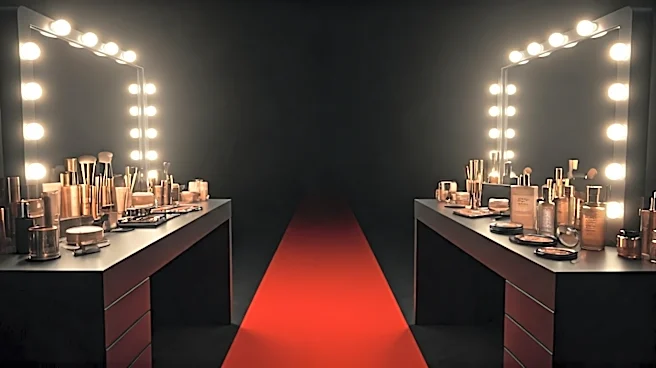
For over two decades, the French beauty conglomerate L'Oréal has been as much a part of Cannes as the films themselves. As the festival's official makeup partner, the L'Oréal Paris brand enjoys a level of access and visibility its competitors can only dream of. This isn't just about a logo on a step-and-repeat banner. The partnership gives L'Oréal unparalleled marketing opportunities: its team of artists creates the looks for A-list celebrities, its products are backstage essentials, and its brand ambassadors—from Helen Mirren to Eva Longoria—walk the red carpet as living advertisements. This long-standing exclusivity deal has cemented L'Oréal's image as the definitive voice of red-carpet glamour, a powerful association that translates directly
into consumer desire and global sales.
The Challenger's Playbook: Estée Lauder's Guerilla Tactics
You can't just buy your way into a locked-down partnership, so what's a rival to do? American powerhouse The Estée Lauder Companies has adopted a more surgical, multi-pronged approach. Instead of trying to unseat L'Oréal as the top-level festival sponsor, Estée Lauder leverages its impressive portfolio of high-end brands. You might see MAC Cosmetics, one of its flagship brands, partnering directly with a specific film premiere, hosting an exclusive party, or sponsoring the makeup for a particular star. Other brands under its umbrella, like Tom Ford Beauty or La Mer, might secure placements in VIP hotel suites or host their own influencer events nearby. This strategy is less about owning the entire event and more about winning key moments, creating targeted buzz that can cut through the noise of an official sponsorship.
Why This Red Carpet Matters So Much
The fight for Cannes isn't just an ego trip; it's a calculated business strategy with billions of dollars at stake. The global prestige beauty market is built on aspiration, and no event on earth manufactures aspiration quite like Cannes. An official partnership generates what marketers call "earned media value"—the equivalent of millions of dollars in free advertising through press photos, social media posts, and television broadcasts seen by a global audience. When a consumer sees a specific lipstick on their favorite actress on the world's most famous red carpet, it creates a powerful emotional connection that a traditional ad can't replicate. For these giants, controlling the narrative at Cannes is about reinforcing their brand's position at the apex of luxury, quality, and cultural relevance.
The New Battlefield: Social Media and Influencers
The competition extends far beyond the physical boundaries of the French Riviera. The modern battle for Cannes is won or lost on Instagram, TikTok, and YouTube. L'Oréal leverages its official status to create a firehose of content, from behind-the-scenes tutorials with celebrity makeup artists to live streams from the carpet. Estée Lauder's brands, in turn, often excel in the digital sphere. By partnering with a diverse army of macro- and micro-influencers who attend the festival, they can create a parallel stream of content that feels more authentic and personal to a younger demographic. A single viral TikTok video showing an influencer using a MAC product to get ready for a Cannes party can sometimes generate more meaningful engagement than a dozen traditional press photos, turning the fight for exclusivity into a complex war for audience attention.