




The Modern Fan’s Dilemma
Welcome to the central tension of being a global sports fan in the 21st century. Major tournaments like the World Cup or Copa América are month-long festivals of skill, drama, and national pride. They are also logistical nightmares. With games happening
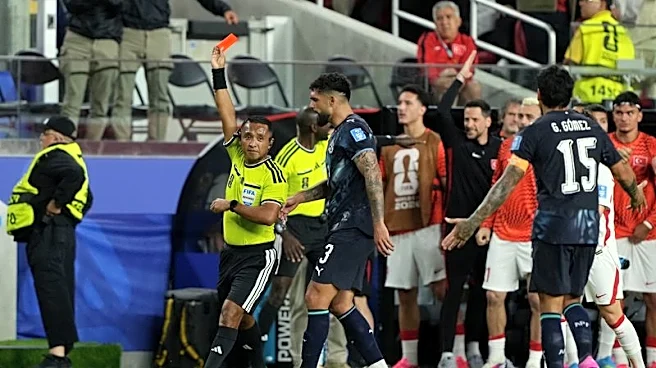
across punishing time zones and smack in the middle of the workday, catching every 90-minute match live is a luxury few can afford. In the past, this meant falling out of the loop. You’d catch the final score, but miss the texture: the controversial call, the near-miss that had a whole stadium holding its breath, the subtle shift in momentum that decided everything. You were disconnected from the narrative. Today, a new and powerful form of sports consumption has filled that gap: the recap.
More Than Just Highlights
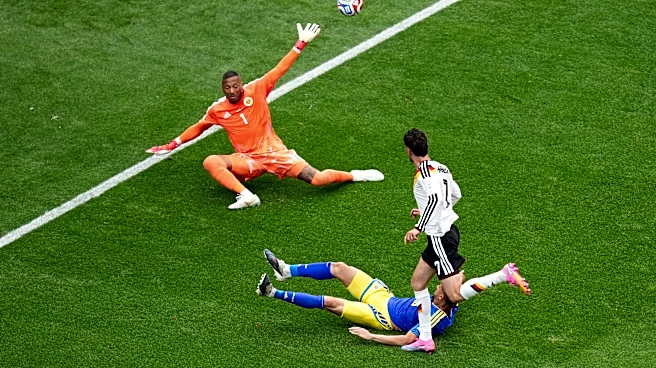
When we hear “recap,” it’s easy to think of a grainy, two-minute clip of the goals. But the modern recap is a far more sophisticated beast. It’s a work of narrative distillation. Editors and content creators have become expert storytellers, understanding that their job isn’t just to show what happened, but to make you *feel* what happened. They cut the lulls—the endless sideways passes in midfield, the injury stoppages, the moments where nothing much occurs. What’s left is pure, uncut drama. A great 10-minute extended highlight package doesn’t just show you the goals; it shows you the build-up, the key saves, the crunching tackle that set the tone, and the sideline reactions. It transforms a sprawling 90-minute event into a tight, compelling short film with a beginning, middle, and end. For the time-crunched fan, this isn't a lesser experience; it’s a more potent one.
A Recap for Every Type of Fan
The ecosystem of recaps has diversified to serve every possible need. At the top of the food chain are the official versions from FIFA, UEFA, or broadcasters like Fox Sports and Telemundo. These are slick, polished, and objective, usually running from three to seven minutes. They are your essential briefing. Dig a little deeper on YouTube, and you’ll find fan-made “extended highlights” that can run for 15 or 20 minutes, offering a much deeper sense of the game’s flow. For the tactically obsessed, there are analytical breakdowns that use graphics to explain how one team’s press broke down the other’s defense. And then there’s the social media layer. TikTok and Instagram are flooded with 30-second clips of a single, incredible piece of skill or a hilarious sideline moment. This multi-layered approach allows a fan to calibrate their commitment. You can get the 30-second version on your lunch break or settle in for the 20-minute deep dive after dinner.
The Social Currency of the Story
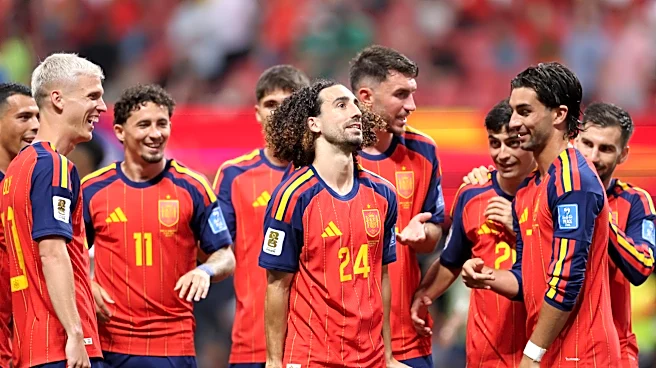
Ultimately, following a tournament is a communal activity. We want to be able to talk about it with friends, debate it with coworkers, and share in the global conversation online. Recaps provide the social currency to do just that. You may not have seen every minute of Spain’s methodical passing clinic, but by watching a well-made summary, you know enough to understand why your friend is raving about their 16-year-old phenom. You know the context behind the meme-worthy goal celebration. You understand the stakes of the next match. Recaps arm the busy fan with the key plot points, the main characters, and the emotional context needed to stay inside the story. They ensure that even if you can't be on the couch for every kickoff, you’re never truly left out of the stadium.