
It All Started as 'Fan Fair'
Before it was a city-wide takeover, it was Fan Fair. Launched in 1972, the concept was revolutionary for its time. While other genres were building mystique around their stars, country music decided to tear down the wall between artists and their audience.
The first Fan Fair drew 5,000 people to Nashville’s Municipal Auditorium, offering them something priceless: access. Fans could meet legends like Dolly Parton and Loretta Lynn, get autographs, and take photos in a setting that felt more like a sprawling family reunion than a corporate music festival. For a genre built on stories of everyday life, creating a space for genuine, face-to-face connection was a masterstroke that laid the foundation for everything to come.
The Unwritten Nashville Pact
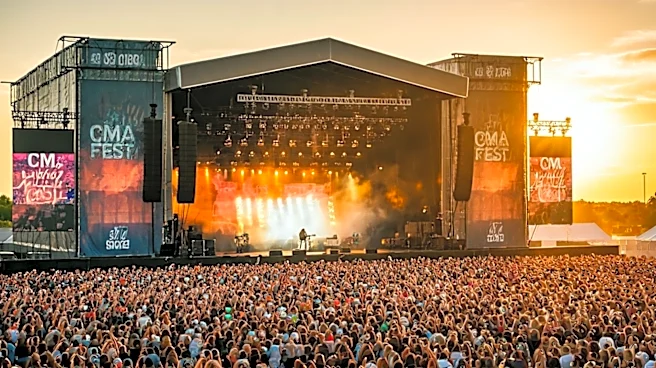
Here’s the secret that makes CMA Fest unlike almost any other major festival in America: the artists aren’t paid to be there. From the A-listers playing Nissan Stadium to the rising stars on smaller stages, they all perform for free. This isn't a contractual obligation; it's a cultural one. The festival is seen as the ultimate 'thank you' to the fans who buy albums, stream songs, and travel hundreds of miles for shows all year long. Artists understand that dedicating a few days to the festival is an investment in the entire ecosystem. It reinforces the genre's brand of authenticity and gratitude, creating a powerful feedback loop. The fans feel appreciated, the artists strengthen their base, and the entire genre benefits from the display of unity.
From the Fairgrounds to Downtown
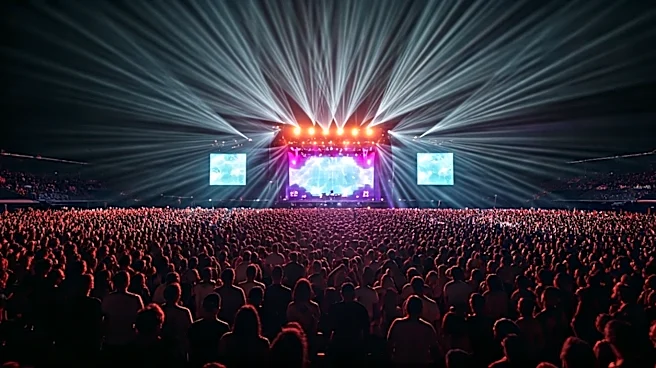
For decades, Fan Fair was a beloved but relatively contained event held at the Tennessee State Fairgrounds. It had a charming, rustic quality, with stars signing autographs in sweltering livestock barns. But by the turn of the century, country music was a global force, and the festival had outgrown its home. In 2001, the event moved to downtown Nashville, a pivotal decision that transformed its scale and character. Renamed the CMA Music Festival in 2004, it was no longer just for the die-hards. By taking over the city's main venues—the stadium, the arena, the riverfront—it became an immersive, can't-miss cultural event that attracted casual listeners and tourists, turning Nashville itself into the main stage. The move supercharged the festival's growth and economic impact, cementing its status as a pillar of the city's identity.
The Festival That Gives Back
The no-pay artist policy serves a greater purpose. Since 2006, a significant portion of the festival's proceeds has been funneled into the CMA Foundation, a philanthropic arm dedicated to supporting music education programs across the United States. This charitable component adds another layer of meaning to the event. It gives artists a powerful reason to donate their time and provides fans with the knowledge that their ticket purchase is making a tangible difference. To date, the foundation has invested tens of millions of dollars in schools, providing instruments, funding teachers, and ensuring the next generation has access to music. This commitment to giving back elevates CMA Fest from a commercial enterprise to a true community ritual with a lasting legacy.