







It’s a Symbol, Not a Sponsor
Let’s start with the obvious: your club jersey is a commercial product. Sure, you love your team, but that shirt is also a billboard for an airline, a betting company, or a car manufacturer. It represents local pride, but also a complex business enterprise.
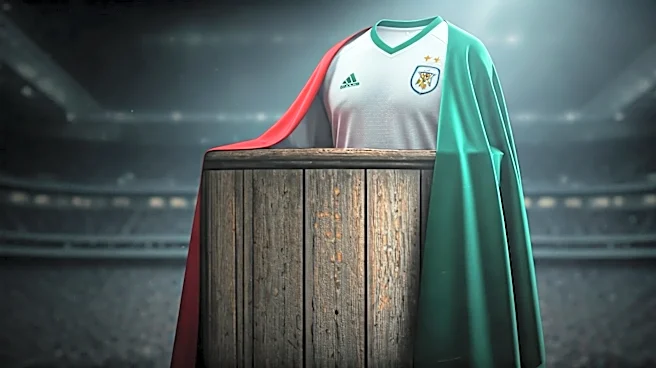
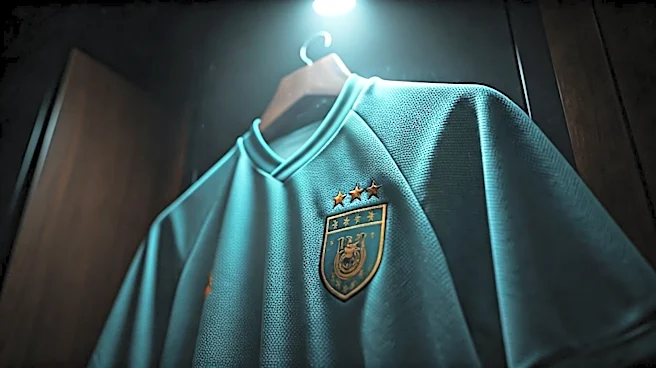
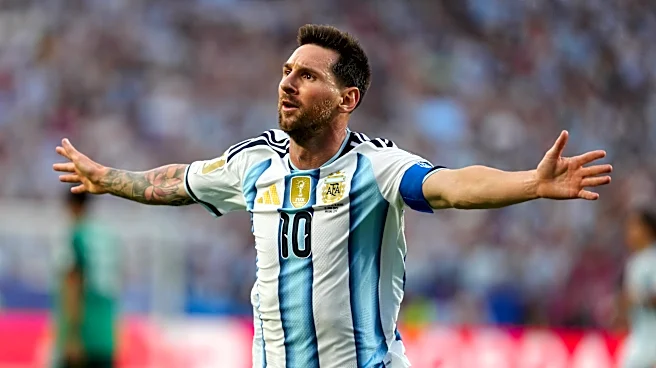
The national team jersey, however, strips most of that away. During major tournaments like the World Cup or Copa América, the front of the shirt is clean, usually dominated only by the player’s number and the national federation’s crest. That crest isn’t a brand; it’s a coat of arms. It’s the eagle, the stars, the lion, or the rooster. It transforms a piece of high-tech sportswear into something ancient and primal. When a player sings their anthem with a hand over that crest, they’re not pledging allegiance to a sponsor. They are, for 90 minutes, the physical embodiment of the nation itself. It’s a pure, uncluttered representation of identity that club football, for all its passion, can never quite match.
The Weight of History in Every Thread
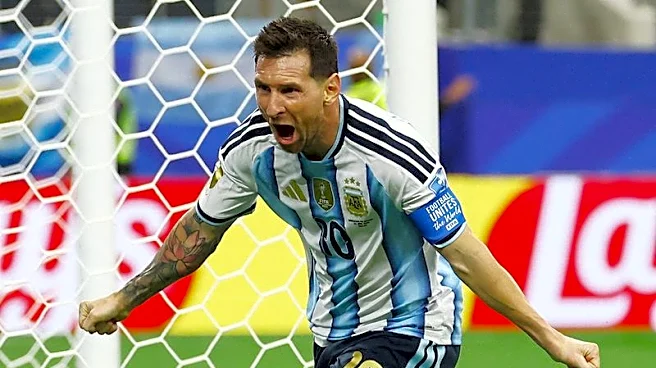
A national team jersey is a time machine. Argentina’s blue and white stripes aren’t just a design choice; they are the colors of Maradona’s Hand of God and Messi’s final validation. Brazil’s canary yellow—the *amarelinha*—was adopted after the national trauma of losing the 1950 World Cup final at home, a deliberate effort to embody a new, vibrant national spirit. It now carries the weight of Pelé, Ronaldo, and five stars. The Netherlands’ brilliant orange isn’t even in their flag; it’s the color of their royal house, a symbol of a unique and defiant identity that powered the Total Football of the 1970s. These jerseys are visual archives of triumph and heartbreak. When a new generation of players puts on that shirt, they are inheriting the ghosts of every player who wore it before them. Fans see it, too. They see the glory of the past and the hope for the future woven into the same fabric. It’s not just polyester; it’s a tapestry of collective memory.
A Unifying Visual Language
Look at the stands during a World Cup match. You see people of every age, background, and walk of life. They may be divided by politics, class, or geography back home, but in that stadium, they are one. The jersey is the uniform of this temporary, utopian tribe. It’s a visual shorthand that says, “You are one of us.” It erases difference and creates a single, roaring entity. For immigrants and their children living thousands of miles from their ancestral home, pulling on the national team jersey is a profound act of connection. It’s a way to feel close to a place you may have left, or perhaps have never even been. It’s a declaration of identity that is both personal and public. The sea of matching colors in the stands isn’t just good for television optics; it’s a powerful, visible manifestation of a nation’s shared passion, a single organism breathing with the rhythm of the game.
The Anthem as an Amplifier
The national anthem is the spark that lights the fuse. It’s a ritual that transforms the moments before a game from a simple warm-up into a secular prayer. The music itself is designed to stir feelings of pride, belonging, and solemnity. When you combine that powerful auditory cue with the potent visual symbol of the jersey, the effect is exponential. The player, often with eyes closed in concentration or welling up with tears, becomes a focal point for the entire nation’s hopes. The camera’s slow pan across the lineup, with each player clad in the same symbolic armor, reinforces this unity. The jersey makes the anthem visible, and the anthem gives the jersey its voice. Together, they create a moment of emotional alchemy, a perfect storm of symbolism that makes millions of hearts beat as one. It’s a reminder that for all the cynicism in the world, the simple act of representing your home on a field of grass can still feel like the most important thing on Earth.