

The Store's Softness Secret
Much of that initial, unbelievable softness comes from a chemical bath. Manufacturers often treat new garments with fabric softeners or silicone sprays. These compounds coat the fibers, creating a lubricating layer that feels incredibly smooth and luxurious
to the touch. This finish gives the sweater its showroom appeal, convincing you of its quality. The problem? This coating is temporary. After just a few cycles in your washing machine, these chemicals rinse away, revealing the fabric’s true, untreated texture underneath. What you’re left with is the actual quality of the fibers, which can be a rude awakening.
All Fibers Are Not Created Equal
The heart of a sweater’s long-term softness lies in its fibers. High-quality materials like cashmere, merino, and long-staple cotton are made of long, fine fibers. When spun into yarn, these long fibers create a smooth, strong thread with fewer ends sticking out. Cheaper sweaters often use short-staple fibers. These shorter fibers are spun into yarn that has many more tiny ends exposed. Initially, these can be brushed to feel soft, but with washing and wear, they quickly tangle and break. This tangling is what we call 'pilling'—those annoying little fuzzballs that make a sweater look worn and feel rough. So while two sweaters might feel similarly soft in the store, the one made with longer fibers is built to last.
The Enemy in the Laundry Room
Even a high-quality sweater can be ruined by improper washing. The combination of heat, water, and agitation in a standard wash cycle is the mortal enemy of delicate knits, especially natural animal fibers like wool and cashmere. The fibers in wool have microscopic scales, like tiles on a roof. Heat and aggressive movement cause these scales to open up and lock onto each other, a process called felting. This is what causes wool sweaters to shrink and become dense and stiff. It’s an irreversible change. Harsh detergents can also strip the natural oils from these fibers, leaving them brittle and scratchy.
How to Make the Softness Last
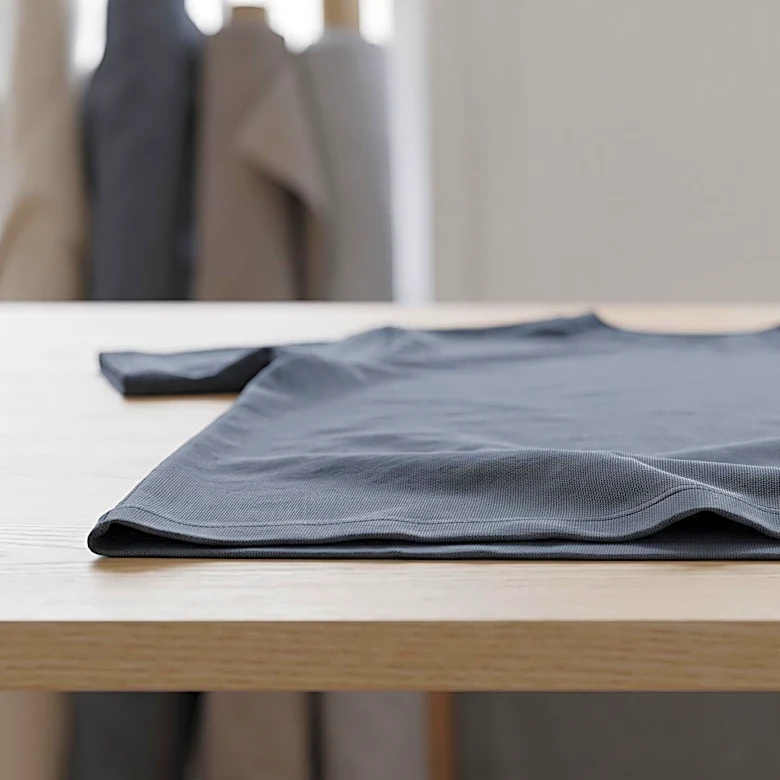
Preserving that cozy feeling isn’t a lost cause. It just requires a different approach to cleaning. First, wash sweaters less frequently; airing them out is often enough. When you do wash, turn the garment inside out to reduce surface friction that causes pilling. Always use cold water and a mild, pH-balanced detergent designed for delicates. For the best results, hand-wash by gently pressing the sweater in a basin of cool, soapy water—no twisting or wringing. If you must use a machine, place the sweater in a mesh laundry bag and use the gentlest, shortest cycle available. And never, ever put a wool or cashmere sweater in the dryer. The heat is a guaranteed path to shrinkage. Instead, gently roll the wet sweater in a towel to press out excess water, then lay it flat on a clean, dry surface, away from direct heat or sunlight, to air dry.