


The Glam Rock Blueprint
Before Mötley Crüe or Poison ever teased their hair, the foundation for their look was laid in the 1970s. Bands like the New York Dolls, alongside artists David Bowie and T. Rex, pioneered glam rock's androgynous and flamboyant style. They combined the raunchy
rock-and-roll swagger of The Rolling Stones with a theatrical presentation that defied traditional gender norms. The New York Dolls, in particular, became proto-punk and glam icons by wearing high heels, satin, and makeup, creating a visual style that was both confrontational and glamorous. This willingness to blend feminine fashion with masculine rock became the essential starting point for the bands that would later dominate the Sunset Strip and MTV. It was a direct rebellion against the subdued, earthy hippie aesthetic of the 1960s.
The Gritty Punk Influence
Here’s where the aesthetic could have taken a sharp turn. As the 1970s bled into the 80s, the raw, aggressive energy of punk rock was a powerful force. Bands that would define glam metal, like Mötley Crüe, were formed in a Los Angeles scene where punk's nihilistic attitude was just as influential as glam's flamboyance. The early sound and look of many Sunset Strip bands had a harder, more street-level edge that borrowed from punk's DIY ethos—think more leather and studs, less polished spandex. This wasn't the polished, TV-ready look that came to define the era; it was darker and more menacing. For a moment, the burgeoning scene was a true hybrid, teetering between the theatricality of the New York Dolls and the raw aggression of punk. The aesthetic could easily have leaned into a less colorful, more intimidating style, closer to what bands like Finland's Hanoi Rocks were perfecting—a crucial link between the Dolls and the L.A. scene.
Hollywood's Polish and the MTV Effect
So why did glam win out over grit? Two words: Hollywood and television. The bands on the Sunset Strip weren't just playing music; they were creating a spectacle designed for mass consumption. The rise of MTV in the early 1980s created a massive demand for visually compelling bands. The raw, anti-commercial vibe of punk was less suited for this new, image-centric world than the camera-ready glamour of makeup, pyrotechnics, and over-the-top outfits. As bands like Mötley Crüe and Quiet Riot gained traction, their success created a template. Record labels and managers saw a marketable formula: pop-influenced hooks paired with an unforgettable, larger-than-life look. The proximity to Hollywood's entertainment machine meant that professional stylists and designers became more involved, sanding off the rough punk edges and amplifying the theatricality. The goal shifted from pure rebellion to creating an escapist fantasy for a mainstream audience.
Codifying the Look: Spandex, Hairspray, and Bandanas
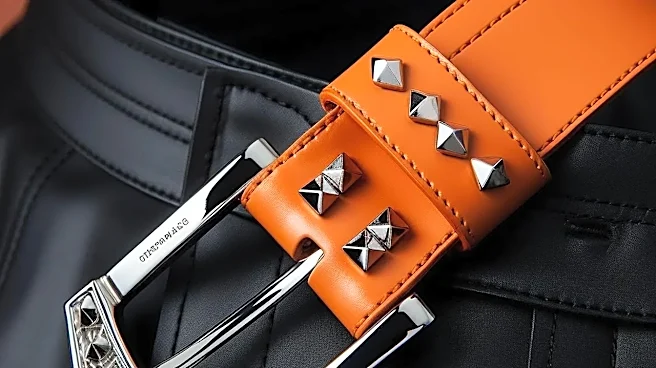
Once the glamorous path was chosen, it quickly became a uniform. The accessories that almost weren't—or were almost something else entirely—became mandatory. Spandex, often in animal prints or neon colors, replaced ripped denim. Teased, heavily hair-sprayed manes became a signature, a stark contrast to the short, spiky cuts of punk. Bandanas, leather studded with metal, and chunky jewelry became essential parts of the costume. What started as a blend of influences from 70s glam and punk morphed into a codified style of its own. The look became so defined that new bands copied it to get noticed, and by the mid-80s, the distinction between bands was often more about the color of their spandex than a fundamentally different aesthetic. This was the peak of "hair metal," an image so powerful and pervasive that it defined rock music for a generation before the raw authenticity of grunge arrived to sweep it all away.