


More Than Just a Position
On a tactical diagram, the Number 10 is the attacking midfielder, the player who operates in the space between the deeper midfielders and the main striker. But that’s like saying a quarterback just throws a ball. The 10 is the team’s creative engine,
its primary playmaker. In Italy, they call this player the *trequartista*, the artist who sees passes nobody else does, unlocks rigid defenses with a moment of brilliance, and dictates the rhythm of the attack. They are not expected to be a defensive workhorse or a physical specimen. Their job is to produce magic. They are given the freedom to roam, to find pockets of space, and to invent. The rest of the team works; the Number 10 creates.
The Archetypes: Pelé and Maradona
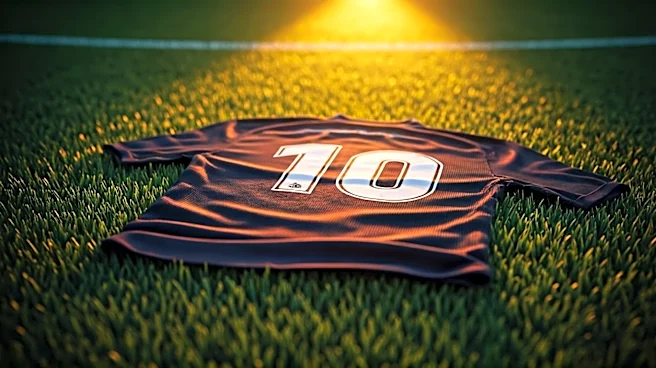
The legend of the Number 10 was forged by two of the game’s gods. First came Pelé, the Brazilian phenom who wore the number almost by accident for Brazil at the 1958 World Cup. He transformed it into a symbol of transcendent genius, scoring goals and orchestrating play with a joy and skill the world had never seen. Then came Diego Maradona. The Argentine was the ultimate flawed genius, a force of nature who could single-handedly drag a team to glory. His performance at the 1986 World Cup is the quintessential Number 10 display: a blend of sublime dribbling, impossible vision, and unwavering self-belief. For Maradona, the number wasn’t just a position; it was his identity. These two players elevated the shirt from a squad number to a crown.
The European Heirs
As soccer became more structured and tactical in Europe, the role of the 10 evolved. It was no longer just about pure, freewheeling genius; it had to be integrated into a system. France’s Michel Platini was a master of this, a goal-scoring midfielder with an elegant touch who led his country to glory. In Italy, players like Roberto Baggio and Francesco Totti became national icons, embodying the blend of artistry and responsibility. And then there was Zinédine Zidane. The French maestro was perhaps the last great classical 10. He wasn’t exceptionally fast, but his grace, vision, and ability to control the game’s tempo were unparalleled. He played the game like a chess grandmaster, always three steps ahead, making the impossibly difficult look elegantly simple.
The Modern Dilemma
In the 21st century, tactics shifted again. The rise of high-pressing systems and formations like the 4-3-3 left little room for a traditional Number 10—a “luxury player” who doesn’t contribute heavily to defense. Coaches began to favor athletic, box-to-box midfielders who could press relentlessly for 90 minutes. The space where the 10 once thrived—that pocket behind the striker—began to vanish, squeezed by compact defensive lines. As a result, the classic playmaker became an endangered species. Pundits and coaches began speaking of the “death of the Number 10,” a romantic role sacrificed at the altar of athletic efficiency and tactical rigidity.
The Spirit of the 10 Lives On
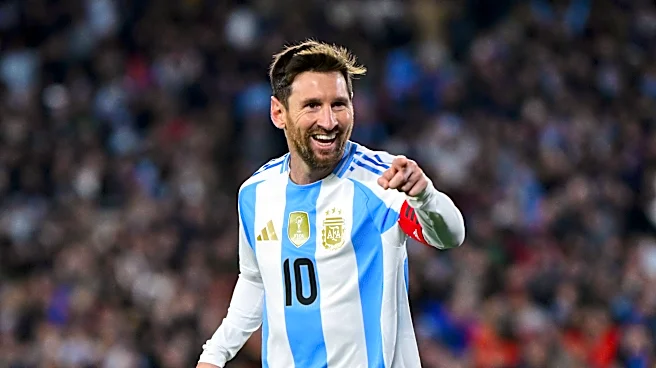
While the specific position is rare today, the spirit of the 10 is far from dead. It has simply adapted. Lionel Messi, who inherited the number at Barcelona, is the greatest modern example. Though he often started on the wing or as a “false nine,” his function was always that of the team’s ultimate creator. Today, the creative burden once shouldered by a single 10 is often shared. We see its DNA in attacking central midfielders (often called “Number 8s”) like Kevin De Bruyne, who create from deeper positions. We see it in playmaking wingers who cut inside to orchestrate attacks. The jersey may be less common in its classic sense, but the qualities it represents—vision, creativity, and the ability to change a game with a single touch—are more valuable than ever.