




The Camera Is Just a High-Tech Canvas
Let's get one thing straight: the camera is a tool. It’s an incredibly sophisticated and vital one, but a tool nonetheless. Think of it as a painter's canvas and brushes. Owning the same set as Rembrandt won't make you a master painter. Similarly, using
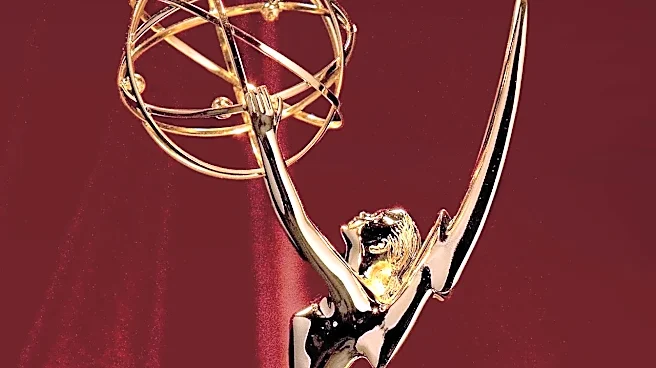
the same ARRI or RED camera featured on a blockbuster set doesn't guarantee a breathtaking image. An Emmy for Outstanding Cinematography isn't awarded for having the best gear; it's awarded for using that gear to create a distinct visual language that serves the story. Cinematographers who win these awards are masters of light, shadow, and movement. When Jessica Lee Gagné won an Emmy for her work on "Severance," the praise centered on the show's unsettling beauty and striking visual identity—achievements of vision, not just technology. The camera’s job is to capture the world the cinematographer creates, but it doesn’t create it on its own.
Lighting: The True Language of Cinematography
If cinematographers have a primary language, it's light. The most advanced camera in the world recording a poorly lit scene will produce a clean, crisp, and completely flat, uninteresting image. Conversely, a masterfully lit scene can look stunning even on a less-expensive camera. Lighting is what creates mood, depth, texture, and focus. It tells the audience where to look and, more importantly, how to feel. The haunting, painterly chiaroscuro of "The Handmaid's Tale" isn't a camera preset; it's the result of meticulous lighting design by cinematographers like Colin Watkinson. Each shadow is placed with intent, and every highlight carves a character out from the background. The technical specs of a camera—its dynamic range and light sensitivity—are important for capturing the nuance of that lighting, but the artistry happens before the light ever hits the sensor.
Lenses and Composition Tell the Story
Before the camera body is even chosen, a cinematographer is thinking about lenses. Lens selection has a far more profound impact on the look and feel of a project than the camera itself. A wide-angle lens can create a sense of unease or environmental scale, while a telephoto lens can compress the background, isolating a character in a sea of bokeh. The choice between a vintage, imperfect anamorphic lens and a clinically sharp modern prime lens defines the texture of the world. Then there's composition: the art of arranging elements within the frame. A well-composed shot guides the viewer's eye, reveals character dynamics, and builds tension. The unsettling symmetry in "Severance" or the majestic, character-dwarfing landscapes in "The Crown" are deliberate compositional choices that serve the narrative. These are artistic decisions that technology enables but can never replace.
It Takes a Village to Create an Image
Cinematography is not a solo act. The final image is the result of a deep collaboration between several key artists. The director sets the overall vision. The production designer builds the world that the camera will capture. And crucially, the colorist works with the cinematographer in post-production to refine the image, shape the color palette, and finalize the mood. When cinematographers accept their Emmys, their speeches are filled with thanks for their gaffers (lighting experts), grips, and camera operators. Jessica Lee Gagné credited her assistant and colorist, calling the latter her "secret weapon." This collaborative process is where the visual identity of a show is truly forged. A camera is just one link in a very long and collaborative artistic chain.