


The Tyranny of the Perfect Schedule
We live our daily lives by the clock, ruled by calendars and to-do lists. A music festival should be an escape from that rigidity, yet for many, it becomes another exercise in optimization. The pressure to see every band on your list, hit every food truck,
and meet friends at precise coordinates can turn a weekend of joy into a stressful dash. When you're constantly checking your watch to sprint from the main stage to the side tent, you're not present for the music you're actually hearing. This hyper-scheduling creates a fragile house of cards; one delayed set, a longer-than-expected bathroom line, or a dead phone battery can make the whole plan—and your mood—collapse. The result is often disappointment, a feeling of missing out on things you planned instead of enjoying the things you’re experiencing.
Redefining the 'Festival Accident'
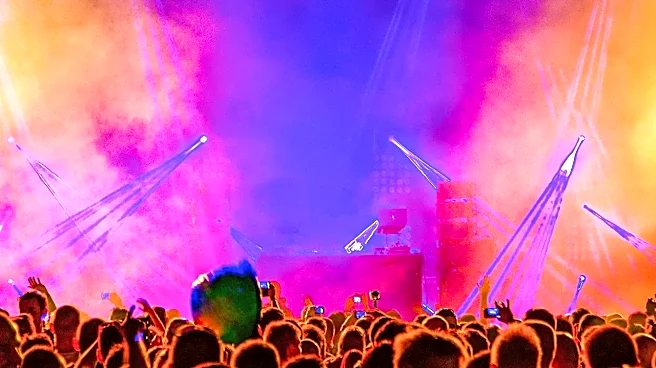
When we talk about accidents, we're not talking about twisted ankles or overflowing porta-potties (though those certainly happen). We're talking about happy accidents: the moments of pure, unplanned serendipity that become the best stories. It’s the decision to shelter from a sudden downpour in a random tent, only to discover your new favorite DJ. It’s hearing a bassline from across the field and following it to a spontaneous dance party. It’s getting lost on the way to a headliner and stumbling upon a bizarre, glowing art installation that you and your friends talk about for years. These moments can’t be scheduled. They arise from freedom, from the space you leave between the 'must-dos.' True fulfillment from a festival comes from the quality of these unexpected moments, not the quantity of scheduled events you check off a list.
How to Build a 'Skeleton Plan'
Leaving room for accidents doesn't mean showing up with no plan at all. That’s a recipe for a different kind of stress. The solution is a 'skeleton plan.' Start with the non-negotiables: know where you're sleeping, have a designated meeting spot for your crew, and maybe pick one or two absolute 'must-see' artists each day. This framework provides structure and security. But beyond that, leave entire blocks of time open. Instead of a minute-by-minute agenda, think of your day in terms of loose priorities. Your plan should be a compass, not a GPS. It points you in a general direction but allows you to take detours. This approach turns potential stressors into opportunities; a canceled set isn't a disaster, it's a free pass to wander and explore.
Embrace the Power of Wandering
A festival is a curated ecosystem of discovery. Organizers don't just book massive headliners; they fill the smaller stages and hidden corners with emerging talent, interactive art, and quirky experiences, hoping you'll stumble upon them. By over-planning, you're ignoring the very environment designed for your exploration. So, give yourself permission to just walk. Follow a sound, a strange costume, or a path you haven’t taken yet. Some of the most authentic and memorable travel experiences happen when you let go of a rigid schedule and allow your curiosity to lead. It builds confidence and the ability to find joy in the unknown. The collective energy of a festival is a powerful force; letting yourself drift within it can lead to connections and experiences you never could have anticipated.