
Go Head-to-Toe Monochromatic
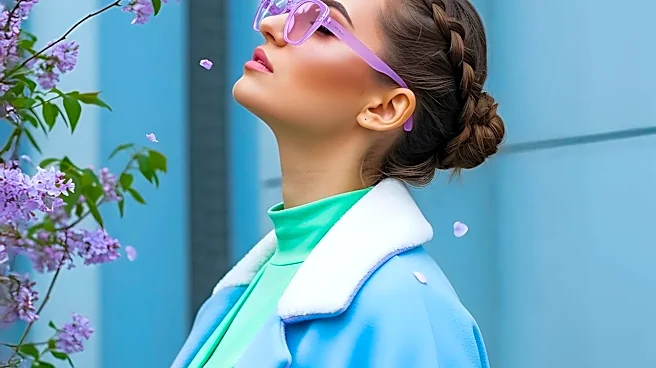
The single most powerful way to wear pastels is to commit fully. A head-to-toe monochromatic look in a single soft shade—like a powder blue suit or a mint green dress—is incredibly chic. This approach
eliminates the guesswork of pairing colors and creates a long, lean, and visually cohesive silhouette. Instead of feeling saccharine, the look becomes intentional and powerful. The key is focusing on tailored, structured pieces; think a well-cut blazer and trousers or a sleek slip dress. This ensures the outfit reads as grown-up and polished, not like you're heading to an Easter egg hunt. Runways from Chloé to Chanel have showcased this modern interpretation, proving that one color can be more than enough.
Anchor Them With Neutrals
If you're new to pastels or prefer a more understated approach, use neutrals as your anchor. Pairing a soft color with a neutral is a foolproof way to make the pastel pop without overwhelming your look. Crisp white trousers with a lavender blouse, a butter-yellow sweater over a simple white tee, or a sage green jacket with beige pants all feel fresh and modern. Don't be afraid to use darker neutrals, either. Black or navy can provide a sophisticated contrast that grounds the sweetness of a pastel, making it feel more appropriate for the office or an evening out. A soft pink scarf paired with an all-black outfit, for example, is a classic combination for a reason.
Play with Texture and Fabric
A pastel outfit gains instant depth and sophistication when you introduce a variety of textures. Mixing materials prevents the colors from looking flat. Imagine a chunky, pale yellow knit sweater paired with silk trousers, or a soft mint cashmere top with a satin skirt. Even a simple pastel t-shirt feels more intentional when styled with a structured linen blazer. Lace and sheer fabrics are often rendered in pastels, creating a romantic, ethereal effect that is perfect for more formal events. On the other end of the spectrum, pairing soft-hued denim with a simple top gives a relaxed, modern vibe. The interplay of different surfaces adds visual interest and a tactile richness that elevates the entire look.
Mix Different Pastel Shades
Once you're comfortable, try color-blocking with different pastel tones. Combining two or three soft shades in one outfit can create a harmonious and stylish look. The trick is to stick to colors with a similar low saturation. Think a powder pink top with a mint green skirt, or a pale lemon blazer over a lilac dress. This approach feels playful yet polished, especially for spring and summer events. If you're hesitant, start small by pairing a pastel dress with shoes or a bag in a different pastel shade. This allows you to experiment with color combinations in a more controlled way.
Start with an Accessory
For those who find a full pastel garment intimidating, the easiest entry point is an accessory. A single pop of pastel can instantly brighten a neutral outfit and show you're in tune with the trend without a major commitment. Think a mint green handbag, a pair of dusty lavender heels, or a butter-yellow scarf. These small touches can add a fresh, feminine element to an everyday look. A pastel accessory is also a great way to test which shades work best with your skin tone before investing in a larger piece of clothing. It's a low-risk, high-reward strategy for incorporating these soft hues into your wardrobe.
Choose the Right Shade for You
Not all pastels are created equal, and some can wash out certain complexions. It's important to find the shades that flatter you. Fair skin tones may find they look best in slightly more vibrant pastels, like a coral or a brighter mint, to avoid looking pale. Medium to dark skin tones often look stunning in a wider range of pastels, from the softest baby blues to dusty lilacs. If a color feels too pale, look for a 'sherbet' version of the shade, which has a bit more saturation. Ultimately, confidence is key, but choosing a pastel that brightens your face will make wearing it that much easier.