
The Age of Theatricality
Not long ago, the pinnacle of high fashion was spectacle. Driven by the explosive growth of social media and the cultural dominance of streetwear, luxury brands engaged in an arms race of attention. The
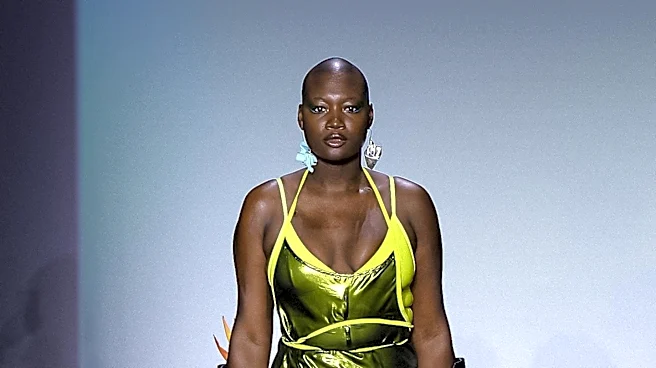
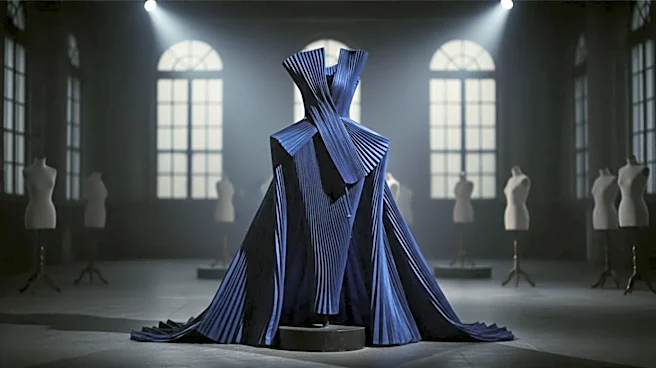
goal was the viral moment: a bizarre accessory, a celebrity-stuffed front row, or a silhouette so exaggerated it bordered on costume. This was the era of logomania, where status was shouted, not whispered. It was an aesthetic perfectly captured by the idea of "camp," celebrating irony, humor, and artifice. On runways and red carpets, clothes were designed to perform for the camera, with oversized proportions and dramatic shapes that turned wearers into larger-than-life characters. This maximalist energy, fueled by collaborations between streetwear and historic fashion houses, defined the late 2010s and early 2020s as a period of playful, often ostentatious, rebellion against traditional elegance.
A Sharp Return to Form
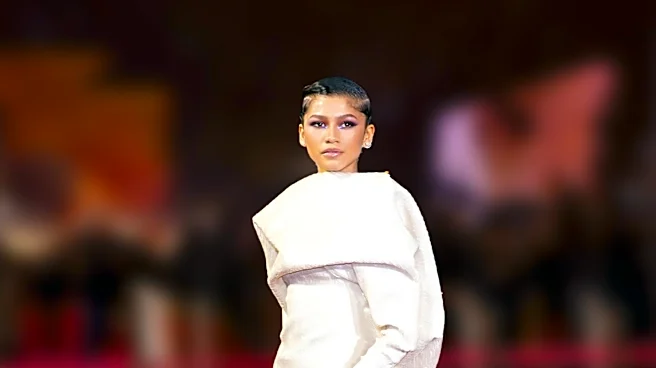
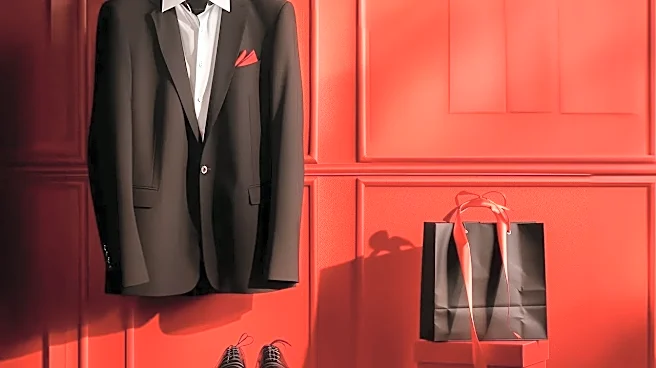
The pendulum has swung back, hard. Across the most recent Fall/Winter 2026 and Spring/Summer 2027 collections, a new mood of restraint and classicism has taken hold. Designers in Milan and Paris have moved decisively away from streetwear's baggy shapes and toward the structured discipline of tailoring. At houses like Saint Laurent and Prada, the focus is on sharp, clean lines, with an emphasis on structured jackets, lean trousers, and silhouettes that celebrate the body's form rather than obscuring it. This isn't just a nostalgic return to old-school suiting; it's a modern interpretation. Tailoring is becoming more fluid and personal, with softer construction, lighter fabrics, and relaxed proportions that feel contemporary and adaptable. The Fall 2026 runways were filled with powerful, structured dressing, from skirt suits to assertive outerwear, signaling a renewed focus on craftsmanship and function.
From Logomania to Quiet Confidence
This pivot is about more than just aesthetics; it reflects a profound shift in cultural values. The fatigue with overt branding and disposable trends is real. In its place is the rise of "quiet luxury," an ethos that prioritizes exceptional materials, perfect fit, and timeless design over logos and seasonal hype. The new definition of status isn't about wearing the most recognizable brand, but the most impeccably made garment, where the luxury is felt by the wearer rather than announced to the world. Consumers are moving toward more intentional purchasing, seeking longevity and versatility. This translates to a wardrobe of fewer, better pieces that can be worn for years without feeling dated. The focus is on substance—the drape of the silk, the structure of the wool—creating a sense of confidence that doesn't need to shout.
A Sober Mood for Changing Times
Fashion is always a mirror to the wider world, and this return to tailored sobriety reflects a global mood of uncertainty. In times of economic instability and social flux, there is often a collective desire for things that feel stable, authentic, and enduring. Flashy, trend-driven items can feel frivolous or out of touch. Instead, consumers and designers are drawn to the idea of investment dressing—buying clothes that offer lasting value. A well-made blazer or a perfectly cut coat feels like a rational, durable choice in an unpredictable world. The recent menswear collections, in particular, have been described as more introspective and less about spectacle, suggesting fashion is becoming more concerned with meaning than with generating hype. This turn toward precision and quality is fashion's way of providing a sense of grounding and control when the world outside feels anything but.