


The Unstructured Suit: Engineered for Comfort
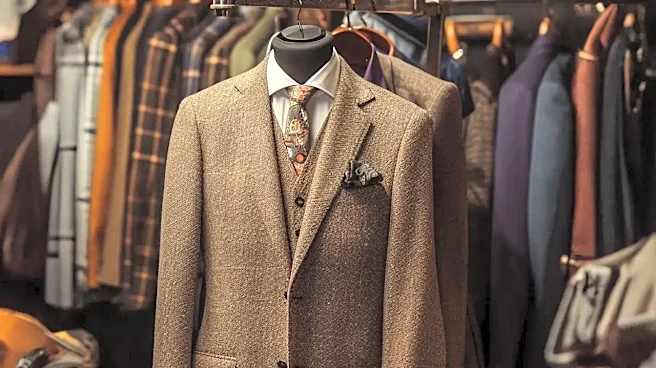
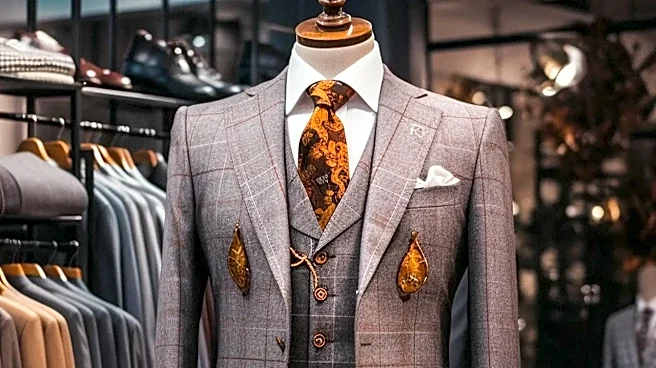
Think of an unstructured suit as tailoring with the internal architecture removed. A traditional suit jacket gets its sharp, defined shape from layers of canvas, lining, and shoulder pads. An unstructured jacket, however, does away with most of that.
It has little to no shoulder padding, creating a natural shoulder line that follows the slope of your own. It also forgoes the canvas interlining, which is the stiff material (traditionally horsehair) that gives a jacket its shape and weight. The result is a garment that’s significantly lighter, more breathable, and feels more like a shirt or a cardigan than a suit coat. This style became popular as dress codes relaxed, offering a comfortable and casual alternative to rigid business wear. Because they lack that inner scaffolding, these jackets rely entirely on the quality of the fabric and the precision of the fit to look sharp rather than sloppy.
Liquid Tailoring: Designed for Movement
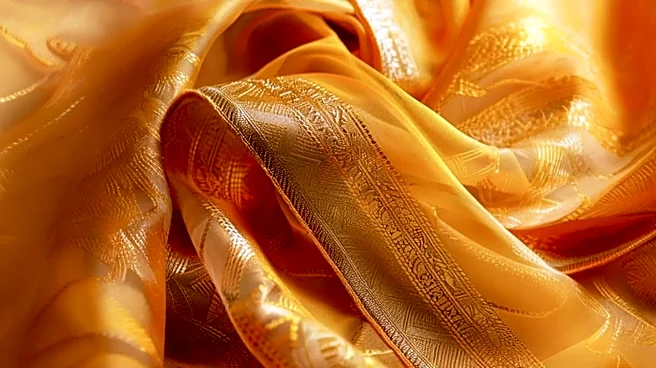
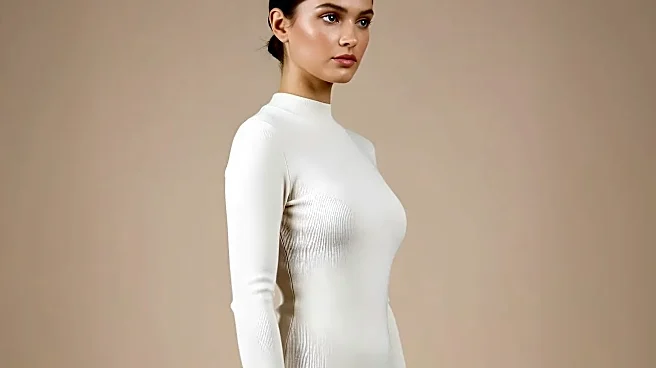
Liquid tailoring is a more recent, fashion-forward concept that’s less about removing structure and more about creating a different kind of silhouette. The focus here is on fluidity and drape. Imagine fabric that flows and moves with your body, creating a silhouette that is relaxed but still incredibly elegant. This effect is achieved not by stripping away components, but through the use of specific fabrics and generous cuts. Designers use materials with a soft, liquid-like drape, such as silk blends, viscose, and ultra-fine wools, often in slightly oversized or relaxed proportions. Unlike the casual ease of an unstructured jacket, liquid tailoring often carries a more dramatic, romantic, and even gender-fluid sensibility. It’s about creating lines that are soft yet refined, celebrating movement and a sense of studied nonchalance.
Construction and Feel: Subtraction vs. Selection
The fundamental difference lies in how each style achieves its softness. An unstructured suit is a product of subtraction: the tailor takes a traditional jacket pattern and removes the padding and canvas. This makes it inherently more casual and lightweight, perfect for warm weather or travel. Its feel is defined by its lightness and breathability. Liquid tailoring, on the other hand, is a product of selection and proportion. The emphasis is on choosing a fabric that drapes beautifully and cutting it in a way that allows for graceful movement. It might still have some light internal structure, but the silhouette is primarily defined by the fabric's fluid character. It feels less about being casual and more about exuding an air of effortless elegance.
When to Wear Each: The Occasion Defines the Choice
When to Wear Each: The Occasion Defines the Choice Choosing between the two comes down to the vibe you want to project. An unstructured suit is your go-to for elevated casual settings. Think summer weddings, creative office environments, or a smart dinner out. It pairs perfectly with loafers, open-collar shirts, and even clean leather sneakers. It telegraphs a relaxed confidence and an appreciation for comfort without sacrificing style. Liquid tailoring occupies a more sartorial space. It’s for making a statement at a gallery opening, a fashion-forward event, or an elegant evening affair. The flowing silhouette lends itself to more dramatic pairings and feels at home in settings where personal style is the main event. It’s less about blending in and more about showcasing a modern, sophisticated aesthetic.