





The Uniform of Creativity
First, consider the mind of the designer. For many creators, from architects to artists, black is not an absence of color but a tool for focus. Wearing black functions as a personal uniform, a way to eliminate daily sartorial decisions and conserve mental
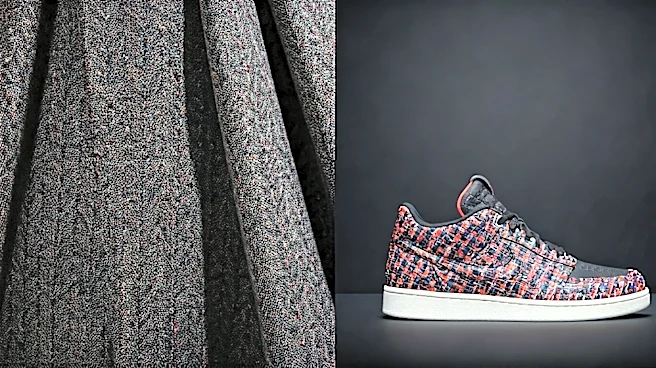
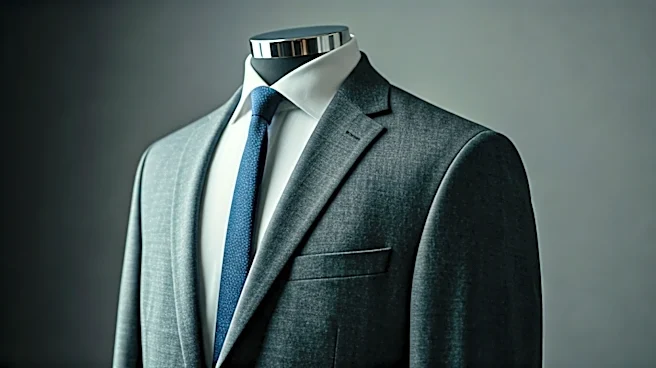
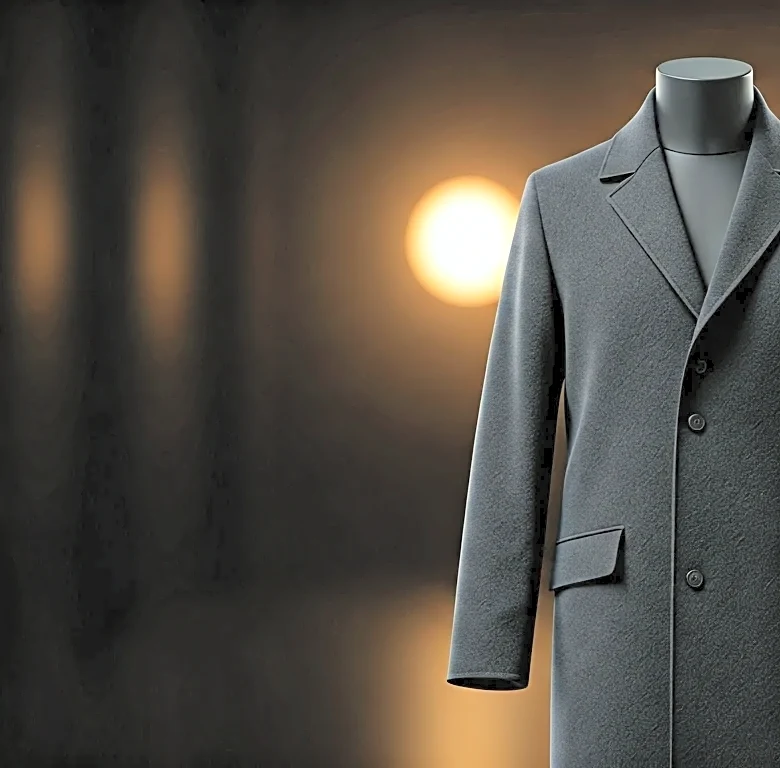
energy for the real work. Think of the late Steve Jobs in his Issey Miyake turtleneck or the legions of gallery owners and creative directors cloaked in monochrome. It’s a signal that their focus is on the work, not the wardrobe. This same principle applies to the garments they create. When a designer works with black, they are intentionally stripping away the distraction of color to emphasize other elements. Suddenly, the focus shifts to silhouette, texture, and construction. A black jacket isn’t just a black jacket; it’s a study in the sharp cut of a lapel, the subtle grain of the leather, or the precise drape of the wool. It’s a palette cleanser that allows form and craftsmanship to take center stage, which is the very essence of haute couture and high-end ready-to-wear.
Power, Prestige, and Protection
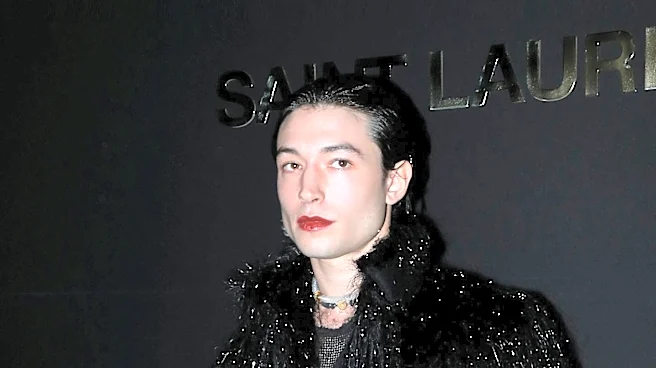
On a deeper psychological level, black communicates a potent and complex set of signals. It is the undisputed color of authority, sophistication, and seriousness. A black tuxedo is the pinnacle of formal elegance. A black suit conveys boardroom power. In the context of luxury fashion, a market built on communicating prestige, black is a powerful shorthand for value and importance. It feels expensive, intentional, and timeless. But it also serves a more internal purpose: protection. Wearing black can feel like donning a suit of psychological armor. It creates a barrier between the wearer and the world, projecting an aura of cool confidence and inscrutability. In an industry as scrutinized and high-stakes as fashion, this sense of being shielded is invaluable. For the person wearing it, a black outfit can feel both anonymous and empowering, allowing them to navigate social situations with a feeling of control. It’s a quiet rebellion and a confident statement all at once.
The Ultimate Blank Canvas
Ironically, for a color so definitive, black is also the ultimate blank canvas for identity. Unlike a bright, memorable color that can define an outfit, black recedes, allowing the wearer’s personality, attitude, and physical presence to shine through. It’s incredibly versatile, capable of being molded into countless identities. It can be the rebellious uniform of punk rock, the intellectual code of the Beat Generation, the sharp minimalism of the avant-garde, or the quiet elegance of old-world luxury. This adaptability is key to its dominance. A man in a black leather jacket tells a different story than a man in a black cashmere sweater, who tells a different story from a man in a black neoprene bomber. The color provides the foundation, but the individual provides the meaning. This makes it endlessly modern and resistant to the fleeting whims of trends. While electric blue or millennial pink might have a season or two in the spotlight, black is the stage itself.
A Commercial Safe Harbor
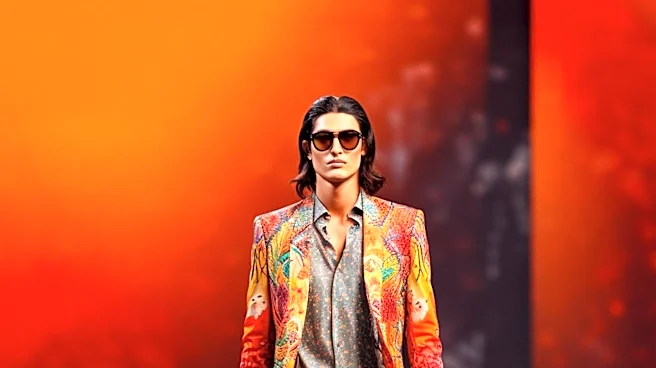
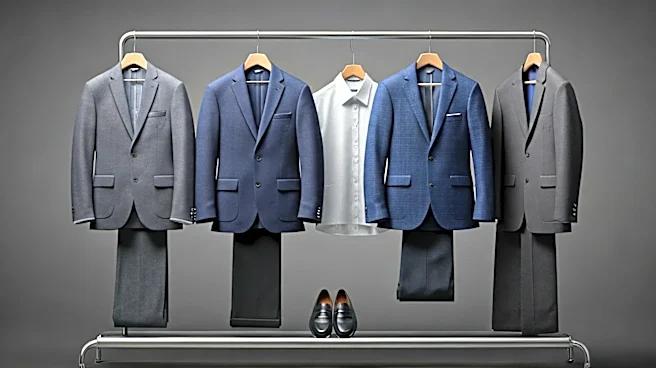
Finally, we can’t ignore the most pragmatic psychology of all: the psychology of the market. Fashion is a business, and in business, risk is a constant concern. Black sells. It’s a commercial safe harbor in the volatile sea of seasonal trends. It’s universally flattering, seasonless, and easy to coordinate. For a consumer investing hundreds or thousands of dollars in a designer piece, black feels like a safer, more durable purchase than a trend-driven color that might feel dated in a year. Brands understand this implicitly. A collection might feature dazzling, editorial-heavy colors for the runway show to generate buzz, but the bulk of what is actually produced and sold to stores will be in black, navy, and gray. It’s the quiet engine of luxury commerce. Buyers for major department stores know that black pieces have a longer shelf life and a broader customer base. In that sense, black’s dominance is a self-perpetuating cycle, driven by the intertwined psychology of the designer who values its purity, the consumer who seeks its versatility, and the retailer who trusts its profitability.