
More Than Just a Costume
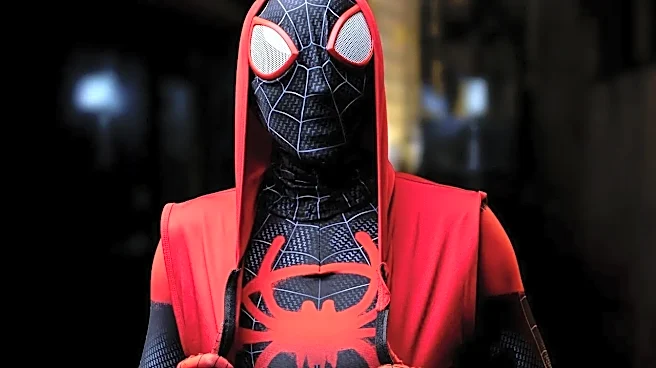
For decades, large-scale fan conventions like Comic-Con and Anime Expo have been synonymous with elaborate costumes, a practice known as cosplay. But look closer, and you'll see a growing number of fashion
and design students weaving through the crowds, their sketchbooks and phones capturing every detail. For them, this isn't just a hobbyist's parade; it's a living gallery of experimental design. They come seeking inspiration, observing how enthusiasts interpret characters, solve complex design challenges, and express identity through dress. This direct observation provides insights that are impossible to replicate in a classroom, showing how garments function in the real world on moving bodies. What they're finding is that the most dedicated cosplayers are pushing boundaries in ways that the mainstream fashion world is only beginning to explore.
The Ultimate Material Challenge
A traditional fashion curriculum is built around fabric: cotton, wool, silk, polyester. A cosplayer’s toolkit, however, is far more eclectic. Students are witnessing firsthand the innovative use of materials like high-density EVA foam, thermoplastics such as Worbla, and 3D-printed components to create elaborate armor and gravity-defying structures. These materials are cut, heat-shaped, and layered in ways that solve structural problems far beyond a simple shirt or dress. This is where costume engineering meets fashion. Observing a cosplayer's self-made armor, which must be both durable and wearable for a long day on the convention floor, offers a practical lesson in material science, ergonomics, and inventive fabrication that textbooks can't provide.
From Fandom to The Classroom
This trend isn't happening in a vacuum. Prestigious design schools like FIT, CalArts, and NYU are increasingly recognizing the artistic and technical merit of costume design, offering specialized programs that bridge the gap between theater, film, and fashion. Some programs even explicitly mention cosplay as a field of study. Students are taking the lessons learned on the con floor back to their studios, incorporating unconventional materials and hybrid design approaches into their formal projects. The problem-solving seen in cosplay—how to translate a 2D animated character's impossible outfit into a 3D, functional garment—is the exact kind of creative thinking that defines high-level design. These experiences are shaping a new generation of designers who see geek culture not as a niche interest, but as a serious engine of creativity.
A New Wave of Inspiration
The line between cosplay and couture is blurring. Events like the Her Universe Fashion Show at San Diego Comic-Con now serve as a legitimate runway for 'geek couture,' where designers compete with high-fashion looks inspired by fandoms. This cross-pollination is becoming more visible everywhere. The intricate embroidery, sculpted accessories, and bold silhouettes seen in top-tier cosplay are influencing mainstream fashion, which is constantly searching for fresh ideas. As fashion students continue to mine conventions for inspiration, they are not only enriching their own education but are also helping to legitimize a vibrant, community-driven art form. They are the conduits through which the raw, passionate creativity of fandom flows into the wider world of design, ensuring that what's radical on the convention floor today might just be the trend everyone is wearing tomorrow.