
More Than Just Screams
For the uninitiated, a haunted house is a simple transaction: you walk through, things jump out, you scream, you laugh, you leave. But for the dedicated fanbase of Halloween Horror Nights (HHN), it’s an art form to be dissected. Like any passionate subculture,
from bird-watching to pro-wrestling, HHN devotees have developed a specialized lexicon. This isn't just for fun; it’s a toolkit for analysis. The language allows fans to articulate precisely why one scare works and another falls flat, turning a passive walk-through into an active, critical viewing. This shared vocabulary elevates the event from a seasonal distraction to a full-fledged hobby, building a community of amateur horror critics who share a deep appreciation for the craft of the scare.
The Dreaded 'Conga Line'
Perhaps the most infamous term in the HHN dictionary is the "conga line." It describes the all-too-common experience of being packed so tightly with other guests that you shuffle through a house in an unbroken, shoulder-to-shoulder chain. For a casual guest, it's a minor annoyance. For a fan, it’s a critical failure of operations that can ruin an otherwise brilliant house. When you're in a conga line, scares are spoiled. You see the actor jump out and startle the person five feet ahead, giving you ample time to brace yourself. The atmosphere evaporates, replaced by the frustration of herd-like movement. A house’s rating in the fan community can plummet simply because of poor crowd management leading to constant conga lines, regardless of the quality of its sets or actors. Fans learn to trade tips on how to avoid them, like visiting on off-peak nights or strategically hanging back to create space.
Anatomy of a Scare: 'Boo-Holes' and 'Switchers'
The fan vocabulary gets even more specific when breaking down the scares themselves. The small, often cleverly disguised openings that scareactors emerge from are known as “boo-holes.” For a first-timer, these are invisible parts of the set. For a veteran, spotting the boo-holes becomes a game within the game. It’s a testament to the house designers if these hiding spots remain surprising even after multiple viewings. Then there's the “switcher,” a highly respected type of scare. This involves an actor scaring guests in one location, disappearing through a hidden passage, and reappearing moments later for a second scare further down the path. It’s an elegant, surprising, and difficult-to-execute maneuver. A house that effectively utilizes switchers earns major points for creativity and effort, while a house relying on simple scares from obvious boo-holes might be criticized as lazy or uninspired.
The People Behind the Masks
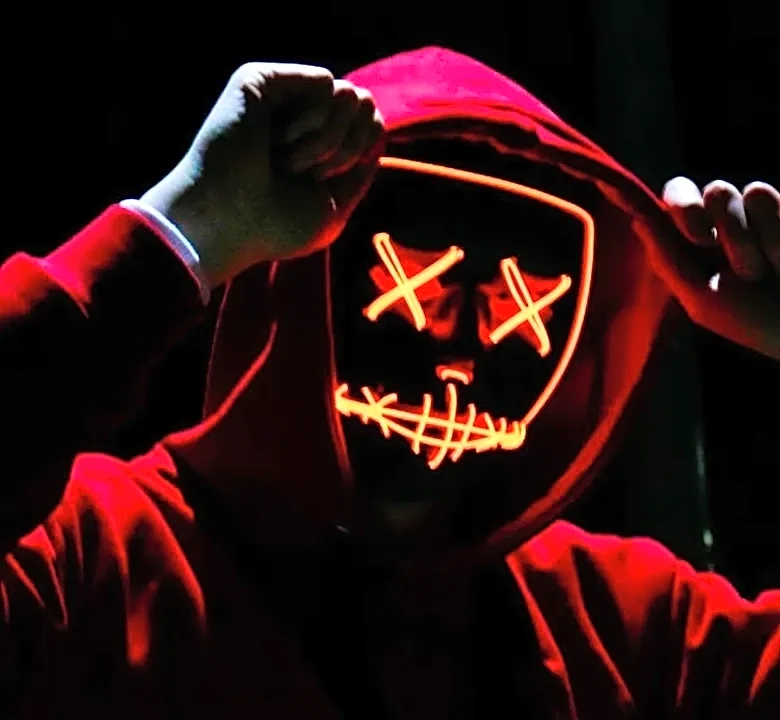
The performers, or “scareactors,” are the lifeblood of the event, and fans have terms to describe their roles and effectiveness, too. A scareactor’s performance is judged on energy, timing, and commitment. While many are praised for their dynamic interactions, some scare tactics are viewed as less effective than others. For example, a scare that relies on a mechanical puppet operated by a hidden actor—sometimes called a “puppeteer” scare—is often seen as less impactful than a direct, in-your-face performance from a live actor. The distinction matters. A fan might describe a house as having “too many puppet scares,” which is code for a less intense, less personal experience. This language allows for nuanced critiques that go beyond a simple thumbs-up or thumbs-down, focusing instead on the specific choices made by the event's creative directors.
A Badge of Honor
Ultimately, this unique language does more than just facilitate criticism; it builds and reinforces the fan community. Knowing the lingo is a badge of honor, a sign that you’re not just a tourist but a true aficionado. It allows strangers waiting in a two-hour line to instantly connect, sharing detailed reviews and debating the merits of a house’s finale or the placement of its boo-holes. This shared vocabulary transforms a solitary experience of being scared into a communal celebration of horror artistry. It proves that Universal has done more than just build a successful Halloween event; it has created a rich world that people want to analyze, master, and make their own.