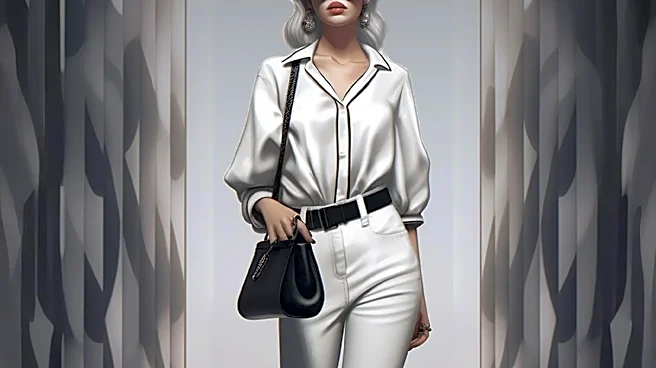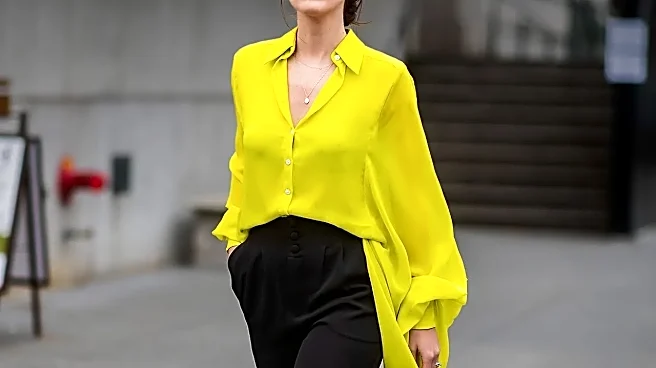


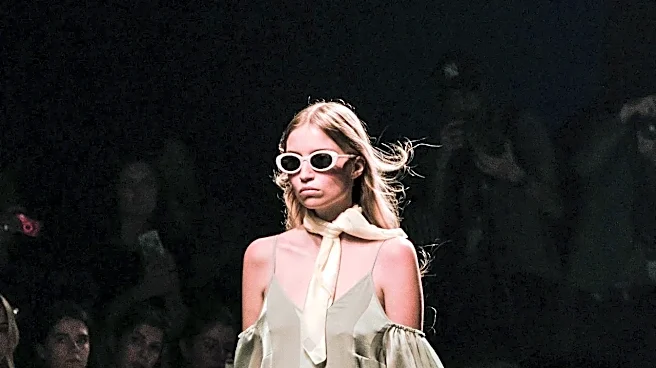
The Deception of Effortless
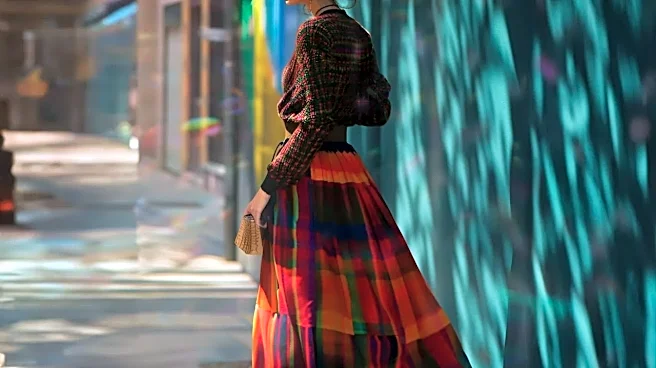
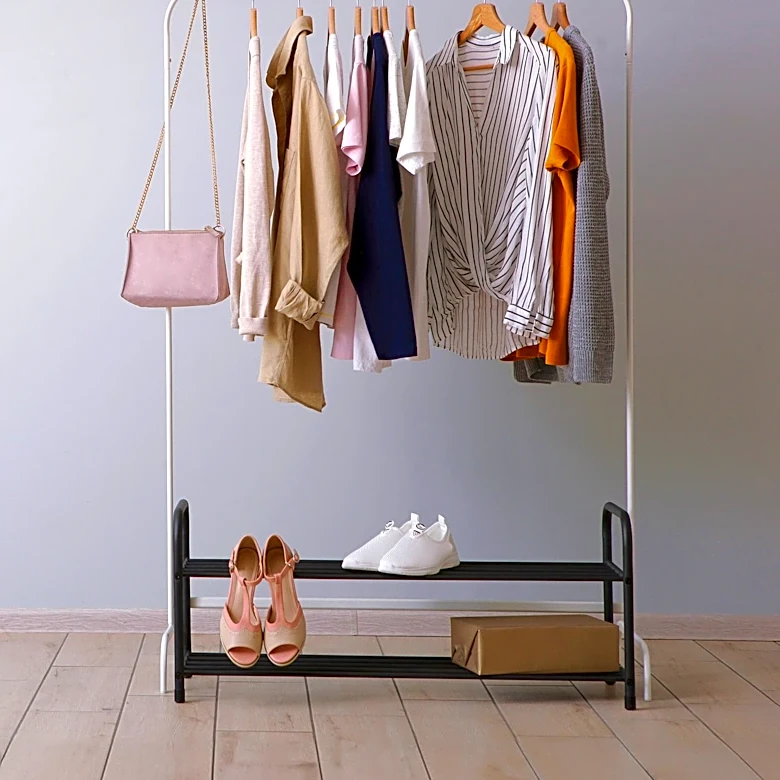
On the surface, maximalism seems like the more labor-intensive style. It’s an explosion of pattern, texture, and color, layering print over print and piling on accessories. In contrast, minimalism—with its clean lines and neutral palettes—looks like you
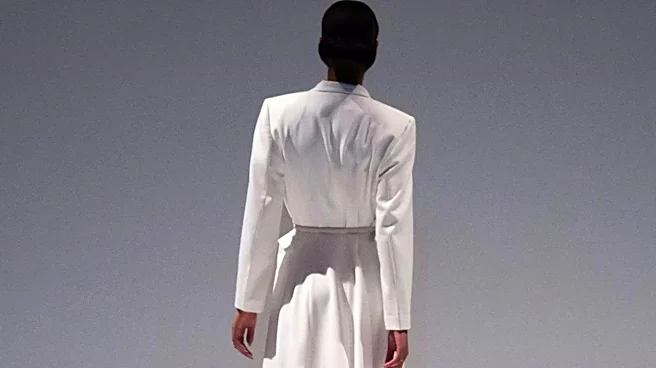
just threw on a few classic pieces and walked out the door. But achieving that minimalist polish is a high-wire act of styling. It’s not about owning less; it’s about a ruthless dedication to owning and styling only the right things. A maximalist outfit can absorb a slightly off-key color or an imperfectly draped scarf into its joyful chaos. A minimalist look has nowhere to hide. Every single element is exposed and must be perfect.
Every Detail Is Under a Microscope
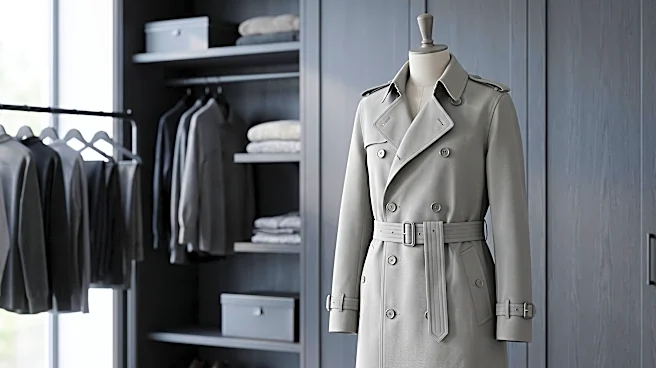
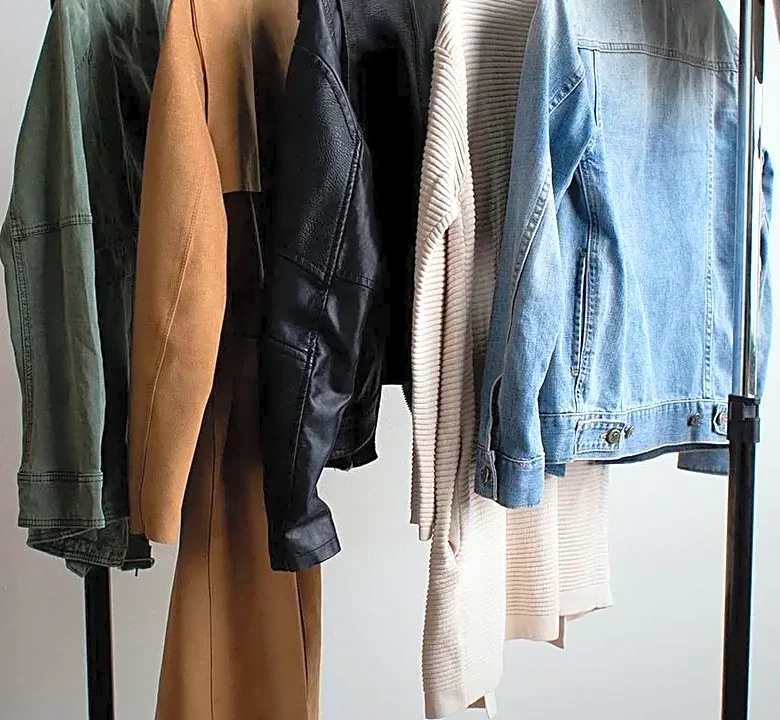
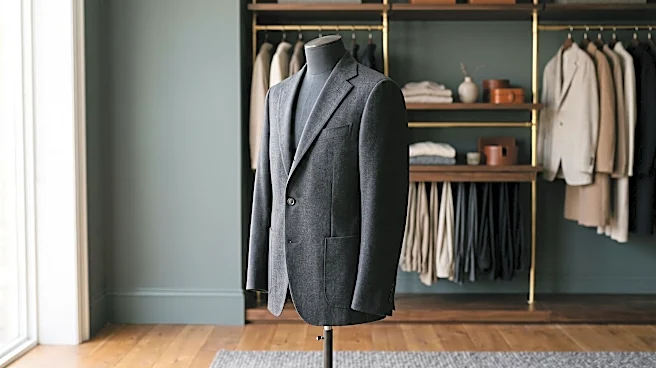
With minimalism, the design is in the details you can’t immediately see. A simple garment relies entirely on its foundational elements: the fabric, the cut, and the construction. A millimeter of difference in a shoulder seam or the precise break of a pant leg can make or break the entire look. The styling becomes an exercise in extreme precision. The single piece of jewelry chosen, the specific texture of the leather belt, and the way a collar lies are all intensely considered decisions. When an outfit is stripped of decoration, the quality of each component becomes the statement. This is why sourcing for a minimalist wardrobe often focuses on premium materials and impeccable tailoring; the clothes themselves must do all the talking without shouting.
Maximalism’s Freedom to Layer
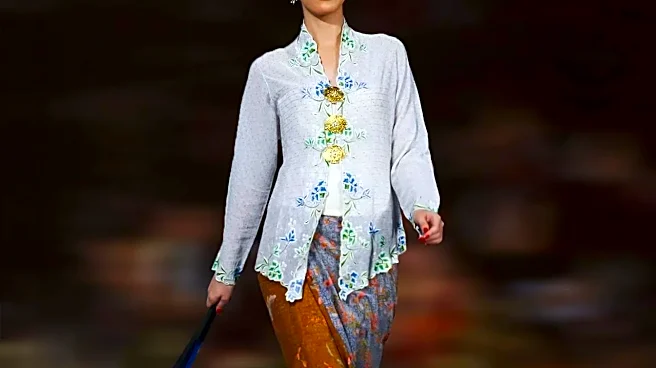
Maximalist styling operates on a different logic. It's an additive process focused on creating a vibe, an energy, and a visual story through abundance. While it requires a good eye, it offers more freedom. A stylist can layer different patterns, mix vintage with couture, and use bold accessories to build a look that is more about the overall impression than the perfection of each part. If one element is slightly out of place, it can be seen as part of the eclectic charm. It's a style of confidence and creative expression that celebrates individuality through accumulation. Minimalism, by contrast, finds its expression through reduction, which is often a more creatively restrictive—and therefore challenging—process.
The Art of the ‘Undone’ Look
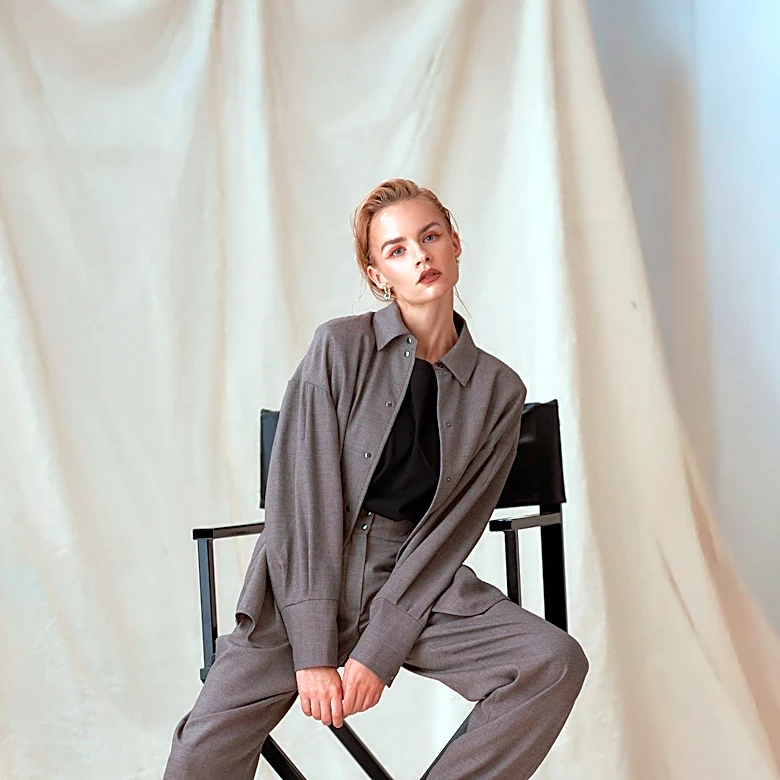
This principle extends beyond the clothes. The quintessential minimalist beauty look—glowing skin, brushed-up brows, and subtly defined features—famously takes more time and skill than a bold, colorful makeup application. The “no-makeup makeup” look requires perfect skin prep and meticulous blending to appear naturally flawless. The same is true for hair. That artfully “undone” wave or casual tuck behind the ear is often the result of multiple products and careful styling to look like it required no effort at all. It all serves the same purpose: to create a cohesive, intentional, and quietly confident statement where every detail has been considered and perfected, even if the goal is to make it look like you simply woke up this way.