





The Control Room Conductors
Deep inside the venue, a crew of producers and technicians are packed into a control room, staring at a wall of monitors. At the center of this nerve center is the director, the person who is quite literally calling the shots. Like an air-traffic controller
for a live broadcast, the director's job is to choose from dozens of camera feeds in real-time, instructing the technical director which shot to put on air. While the producer manages the show's overall flow and timing, the director is in charge of the visual storytelling, making split-second decisions that shape what millions of viewers see at home. It’s a job that requires intense focus, calm under pressure, and a deep understanding of television's visual language.
It's All About the Narrative
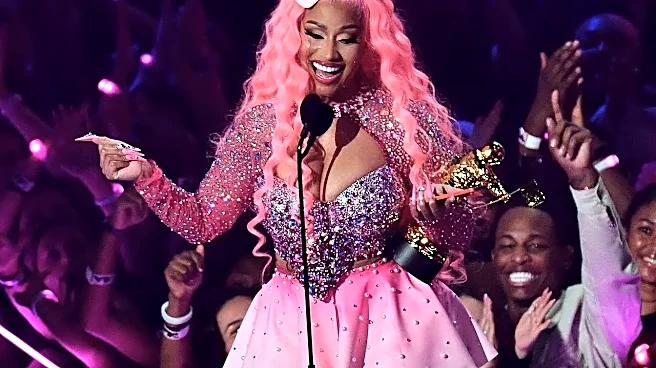
A director’s choice isn’t just about finding a famous person in the audience. It’s about finding a moment that tells a story. When a musician wins their first VMA, cutting to their proud parents or a supportive friend adds an emotional layer that words can’t capture. When a performer delivers a jaw-dropping number, a shot of a rival artist looking impressed (or bored) creates its own mini-drama. These reaction shots are crucial for building the narrative of the night. The director and their team are constantly looking for these emotional punctuation marks to make the show more compelling and relatable for the audience watching from their couches. The goal is to capture authenticity that enhances the viewer's emotional connection to the event.
Planned Storylines and Spontaneous Luck
While many reaction shots feel spontaneous, a surprising amount of planning goes into them. Before the show, the production team studies the seating chart extensively. They know where the big nominees are sitting, who came with whom, and what the potential storylines are. Are two artists who collaborated on a hit song sitting near each other? Is an artist’s ex in the building? The director will have camera operators assigned to specific sections with instructions to keep an eye on key figures. However, live television is unpredictable. The most memorable moments are often the ones no one saw coming. When something unexpected happens, it's up to the director's instincts and the camera operators' quick reflexes to capture the genuine shock, laughter, or confusion that makes live TV so exciting. It's this blend of preparation and improvisation that defines the craft.
An Army of Eyes and Lenses
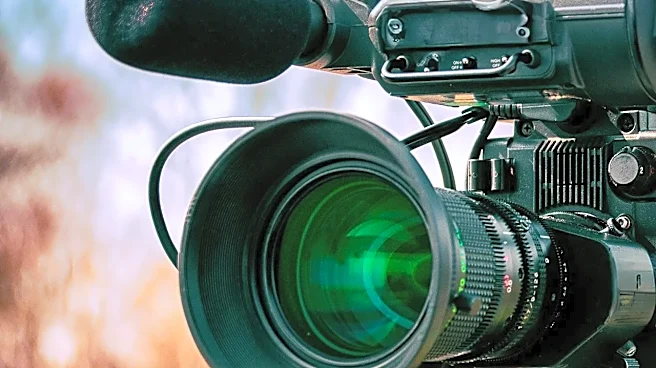
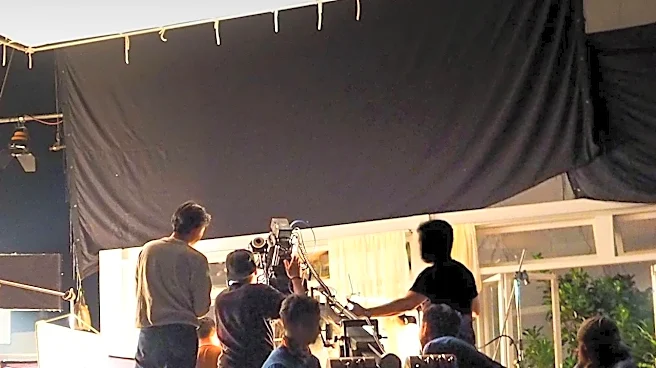
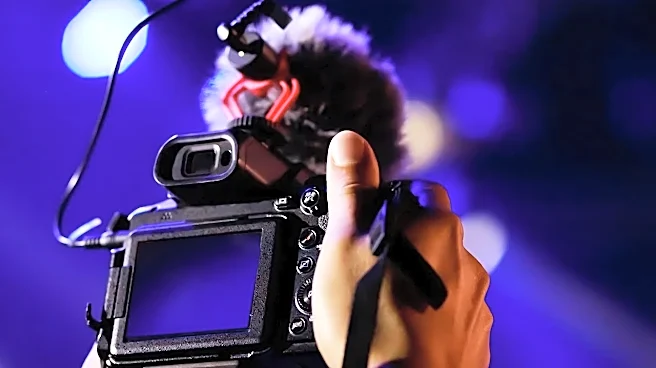
To capture these moments, an awards show like the VMAs utilizes a massive amount of camera power. Dozens of cameras are positioned throughout the venue, from sweeping wide shots to cameras dedicated to specific celebrity sections. Some operators are tasked with following presenters and performers on stage, while others, sometimes called "shot-chasers," have the sole job of hunting for compelling audience reactions. The director communicates with this entire army of camera operators through a headset, constantly giving instructions and looking for the next great shot. This complex technical setup ensures that no matter what happens, there's likely a lens pointed in the right direction, ready to capture a moment that will be clipped and shared for days to come.