




The Rhythm of the Kitchen
The most obvious layer of repetition in The Bear is its dialogue. The constant, almost liturgical, calls of “Yes, Chef,” “Heard,” and “Corner” are not just for show; they are the real-life language of professional kitchens. This linguistic loop does crucial
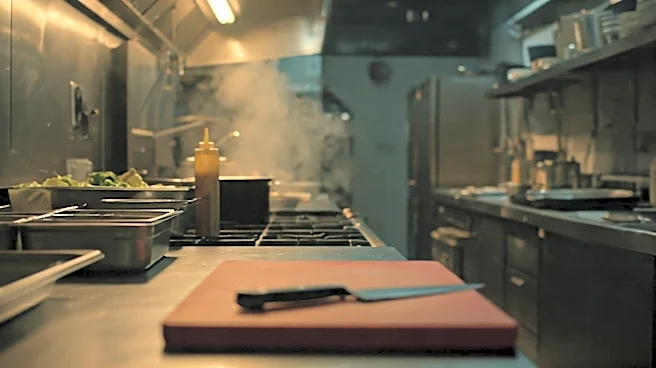
work for the series. First, it establishes authenticity, immersing the viewer in a world with its own rigid codes and culture. Second, it builds the show's signature atmosphere of high-stakes, high-pressure anxiety. The rapid-fire exchanges create a rhythm that is both stressful and hypnotic. This verbal shorthand is the sound of a team functioning under immense pressure, where every second counts and clear communication is the only thing preventing disaster. It's a sonic wallpaper that defines the environment, making the kitchen a character in its own right—one that is demanding, relentless, and always in motion.
Character as a Human Loop
Beyond the kitchen lingo, the show uses repetition to explore its characters' internal states. These are people stuck in loops of trauma, grief, and self-sabotage. Carmy (Jeremy Allen White) is trapped in a cycle of perfectionism and self-flagellation, haunted by the ghost of his brother and the pressures of his own ambition. Richie (Ebon Moss-Bachrach) repeatedly falls back on aggressive posturing as he struggles to find his purpose in a world that has moved on without him. The show understands that personal growth isn't a straight line; it's messy and often involves repeating the same mistakes until a lesson is finally learned. This thematic repetition makes the characters deeply human and relatable. Their struggles aren't resolved in a single episode. Instead, they circle back to their core wounds, with each pass offering a new, sometimes painful, insight. It's a structure that mirrors the long, arduous process of dealing with grief and mental health.
The Power of Breaking the Pattern
The secret to why the show’s repetition works so well is its masterful understanding of when to break it. The relentless pace of the kitchen makes the rare moments of quiet connection feel incredibly profound. An episode might be 20 minutes of frantic energy and overlapping dialogue, only to end with a silent, shared cigarette between two characters. These quiet beats—Sydney's thoughtful meal prep in her apartment, Marcus's focused pastry experiments, or a rare, heartfelt conversation—derive their power from the chaos that surrounds them. The most famous example is the celebrated single-take episode “Review,” an 18-minute anxiety attack that makes the eventual release feel like a dam breaking. By establishing a baseline of intense, repetitive action, the show ensures that any deviation from that pattern lands with maximum emotional impact. The silence is louder because of the noise, and the moments of grace feel more earned because of the constant struggle.
Visuals, Music, and Motifs
The show’s repetition isn't just narrative; it's baked into its aesthetic. The directing style employs recurring visual motifs that deepen the story. We see constant, tight close-ups on hands—chopping, searing, plating—emphasizing the craft and the physical toll of the work. The editing often uses rapid-fire cuts and montages to show the cyclical nature of daily prep, turning routine into a frenetic ballet. Creator Christopher Storer and his team also use a carefully curated soundtrack, with certain songs and artists reappearing to evoke specific moods or character connections. These visual and auditory loops work in concert with the narrative ones, creating a cohesive and immersive world. They function like a chorus in a song, reinforcing the central themes of order, chaos, and the search for meaning within a structured, repeating system.