






The Message Over the Medley
A tour stop is a sprawling, two-hour conversation with dedicated fans. The goal is to deliver a satisfying journey through a catalog, creating a communal, celebratory experience. A BET Awards performance, however, is a concentrated, five-minute statement
to the entire culture. [1] The stage becomes a platform for something bigger than just entertainment. [1] Think of Kendrick Lamar performing "Alright" atop a graffitied police car or Beyoncé’s surprise 2016 opener of "Freedom," complete with a 50-foot water stage. [1] These weren't just song renditions; they were potent, timely commentaries on the state of the nation, designed to resonate far beyond the theater. [10] While a tour reinforces an artist's brand, a BET performance often defines their voice in a specific cultural moment, prioritizing a powerful message over a greatest-hits medley.
The Pressure Cooker of Time
A concert tour has the luxury of time. An artist can build a narrative slowly, with ebbs and flows, costume changes, and extended dance breaks. An awards show slot is brutally short. This severe time constraint forces a different kind of creativity. It’s about maximum impact in minimum time. This often leads to ingenious medleys, surprise guest appearances, and dramatic reveals packed into a single, breathtaking sequence. Consider Chris Brown's 2010 tribute to Michael Jackson; he channeled the King of Pop’s iconic dance moves with shocking precision before breaking down in tears during "Man in the Mirror." [1] It was a complete emotional arc in under six minutes, a feat of pacing that a longer show doesn't require. That pressure is why reunions, like The Fugees in 2005, feel so electric on the BET stage—it's a precious, fleeting moment. [5]
A Bespoke Spectacle, Not a Roadshow
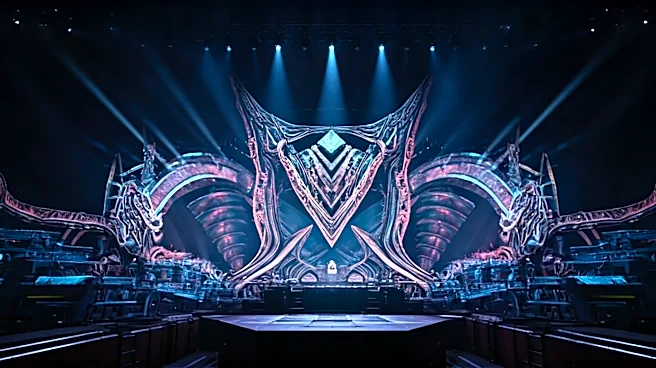
Tour productions are marvels of engineering, designed to be broken down, packed into trucks, and reassembled in a new city every other night. [15] They must be durable and replicable. A BET Awards performance is the opposite: a one-night-only spectacle. Artists and networks often invest huge resources into creating a unique stage design that will never be used again. It's built for the camera, not the road. This allows for elaborate, sometimes impractical, concepts that wouldn't survive a 50-city tour. It’s the difference between a custom-tailored suit and a high-quality ready-to-wear uniform. This one-off approach encourages risk-taking, as the performance is judged not on its logistical efficiency but on its ability to create an unforgettable, viral moment that defines the night. [3]
An Audience of Peers and Legends
On tour, an artist performs for a sea of adoring fans who paid to see them. At the BET Awards, the audience in the first few rows is a formidable collection of peers, rivals, influences, and legends. [9] This changes the energy entirely. A performance isn't just for the public; it's a dialogue within the industry and the culture it represents. When Michael Jackson paid tribute to James Brown in 2003, his visible emotion was amplified by the fact he was honoring his idol in a room full of people who understood the weight of that legacy. [3] When an artist pays homage, unveils a new style, or makes a bold statement, they are doing so in front of the very people who have shaped, and will shape, their world. This makes every choice on stage—from the song selection to the choreography—feel heavier and more significant.