
More Than Just a Peplum
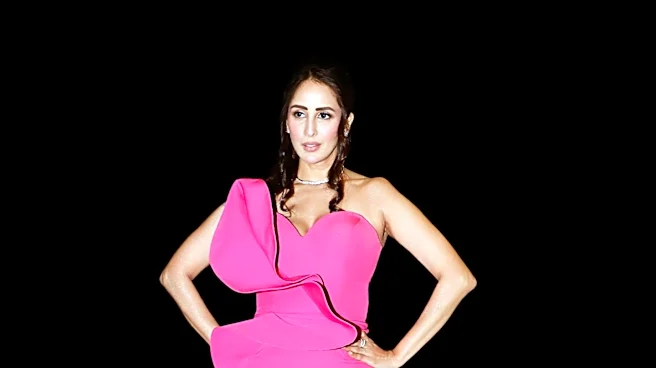
First, let's be clear: we're talking about more than just the peplum trend of the early 2010s. Today’s sculpted hip is a more ambitious and structural statement. Think of it as a modern take on 18th-century
panniers—the undergarments women wore to extend the width of their skirts at the sides, creating a dramatic, wide shape that was flat in the front and back. On contemporary runways, designers like those at Alaïa, Duran Lantink, and Schiaparelli are achieving this with exaggerated padding, 3D-sculpted forms, and innovative draping. These “hero silhouettes” are designed to be focal points, turning the body into a piece of kinetic sculpture and commanding attention. The look is less about a subtle flare and more about creating a powerful, almost architectural shape that deliberately takes up space.
A Historical Power Play
This fascination with hip augmentation isn't new. For centuries, shaping the female form has been a tool to communicate wealth, status, and social standing. In the 17th and 18th centuries, the sheer width of a pannier-supported skirt was a flex; the more fabric required, the wealthier the wearer appeared. At its peak, a woman in court dress could take up three times the space of a man, an imposing spectacle that required skill to navigate. While the 1980s saw power dressing emerge through masculine-coded broad shoulders to help women claim authority in the corporate world, today's hip-centric power dressing draws from a different, more historically feminine playbook. It's about creating an imposing presence, but through the exaggeration of a traditionally female form.
A Rejection of Shapeless Comfort
Part of the trend’s resurgence can be seen as a direct reaction to the dominance of loungewear and minimalist, form-hiding comfort that defined the late 2010s and the pandemic era. After years spent in soft, amorphous fabrics, there is a collective craving for structure, intention, and unapologetic glamour. Fashion is moving away from the understated and embracing its power to create fantasy. These bold silhouettes are a form of aesthetic rebellion, a choice to be seen and to reclaim physical presence in a world that often feels increasingly digital and disconnected. The structured hip says you are not just present, but you are making a statement. It embodies a shift from dressing for passive comfort to dressing with active confidence.
A Complicated Conversation
However, the trend arrives with cultural complexity. As some designers construct curves with padding and structural ingenuity, it happens at a time when conversations around weight-loss drugs and the cultural ideal of thinness are prominent. This has led some critics to point out a potential contradiction: fashion is manufacturing curves on the runway, often on very slender models, rather than celebrating the diversity of natural body shapes. The look can be interpreted as curves becoming a form of decoration that can be put on and taken off, rather than a genuine shift in body inclusivity. It's a reminder that while fashion can empower, its relationship with body image remains a work in progress, with visibility not always translating directly to acceptance.