




From Basic Staple to Designer Canvas
Cotton poplin is the workhorse of the fabric world. It’s a plain-weave cotton known for being strong, breathable, and relatively inexpensive. It’s the stuff of your favorite button-down shirts, summer dresses, and kids' clothes. On its own, in its “loomstate”
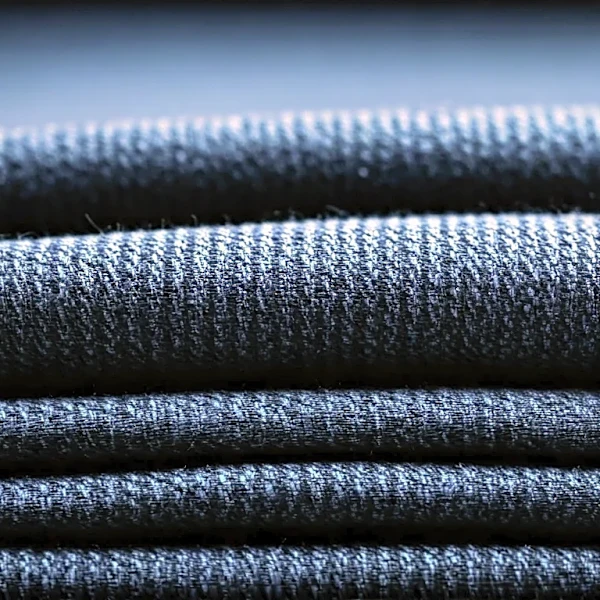
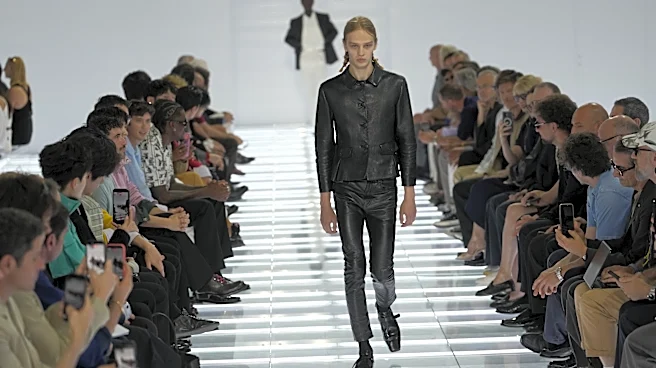
or raw form, it’s durable but unremarkable. It can be a bit flat, prone to wrinkling, and lack the dynamic character that high fashion demands. So, how does this everyday fabric end up in a Prada or The Row collection, looking like it’s worth a thousand dollars? The transformation happens in the finishing process. Think of the raw woven fabric as a freshly prepped canvas. The finish is the gesso, varnish, and secret treatments that make the final painting a masterpiece. It's a series of chemical and mechanical processes that alter a fabric's look, feel (its “hand”), and performance.
The Quest for Luster and Crispness
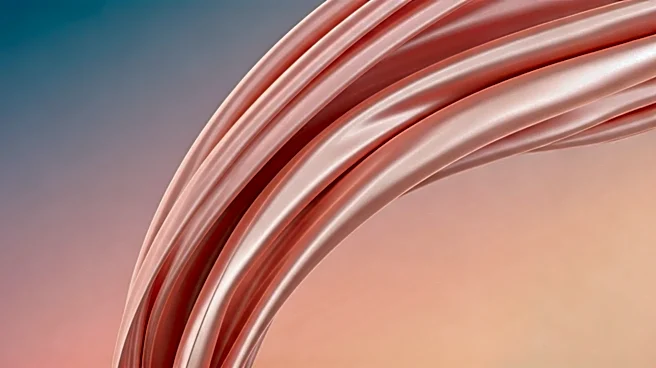
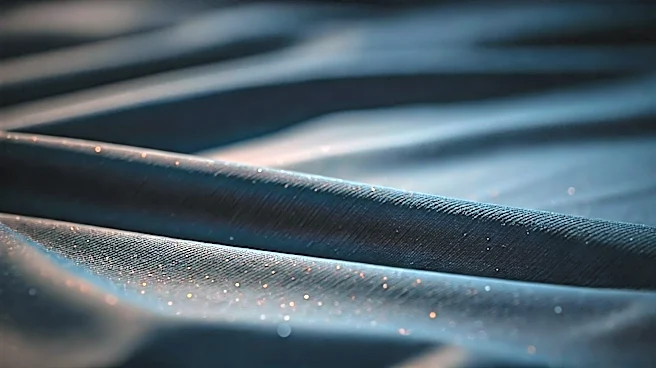
One of the most significant upgrades for cotton poplin is mercerization. This is not a simple wash; it's a chemical bath in a sodium hydroxide solution under tension. The process permanently swells the cotton fibers, changing their cross-section from a flattened tube to a smooth, round cylinder. This new shape reflects light far more effectively, giving the fabric a subtle, elegant luster that mimics silk. It also increases the fabric's strength and makes it more receptive to dye, resulting in deeper, richer colors. Another key process is calendering, where the fabric is passed between heated, heavy rollers. This is like industrial-scale ironing, and it flattens the surface to create an incredibly smooth, crisp finish. When you see a poplin shirt that has an almost paper-like structure and a polished sheen, you're likely seeing the result of calendering. These two treatments alone can elevate poplin from a soft, casual fabric to one with architectural potential.
Perfecting the Drape and Handfeel
Runway-level fabric isn't just about looks; it's about how it moves and feels against the skin. Designers are obsessed with “handfeel.” Finishing processes can manipulate this in countless ways. For a softer, more lived-in feel, a fabric might undergo an enzyme wash. These enzymes act like microscopic scissors, nibbling away at the rougher surface fibers to create a velvety softness without damaging the fabric's core strength. On the other end of the spectrum, if a designer wants a stiffer, more sculptural poplin, stiffening agents like starch or resins can be applied. This allows the fabric to hold its shape, creating the dramatic collars, voluminous sleeves, and sharp pleats you see on high-fashion garments. These finishes give designers control over drape—how the fabric hangs and falls—turning a simple material into a precise tool for creating a specific silhouette.
The Invisible Magic of Performance
The final layer of luxury often comes from finishes you can't even see. The biggest complaint about cotton poplin? Wrinkles. High-end poplins are often treated with a wrinkle-resistant finish. In the past, this meant a heavy, formaldehyde-based treatment that could make fabric feel stiff and synthetic. Today, advanced chemistry allows for “easy-care” finishes that create cross-links between the cotton polymers, helping the fabric bounce back from creasing while maintaining its soft feel and breathability. A shirt that looks crisp after a long day or a transatlantic flight feels inherently more luxurious. Other invisible finishes can add water repellency or stain resistance, adding a layer of practical magic that justifies a higher price tag. It's this combination of aesthetic enhancement and practical performance that completes the transformation.