






The Deceptively Casual Nature of Eyelet
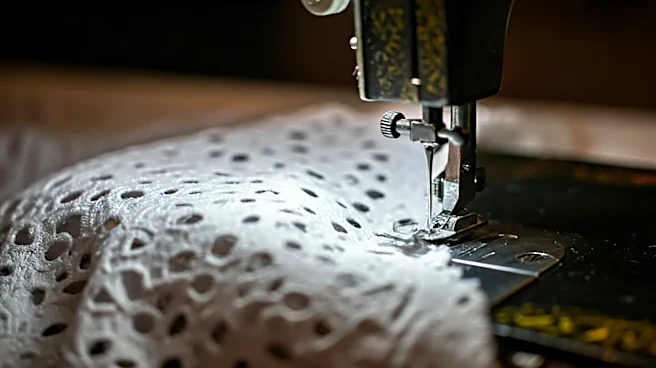
First, let's be clear about what we're dealing with. Eyelet, or broderie anglaise, is a lightweight fabric—usually cotton—adorned with small, embroidered cutouts. Its origins are rooted in 19th-century needlework, but its modern reputation is one of breezy,
bohemian charm. Think summer sundresses, beach cover-ups, and blouses perfect for a weekend brunch. It practically screams sunshine, leisure, and a certain romantic informality. This inherent casualness is precisely what makes it such a perilous choice for one of the world's most famously formal daytime events. You're not just wearing a dress; you're attempting to elevate a fabric that is, by its very nature, relaxed.
The Unforgiving Ascot Dress Code
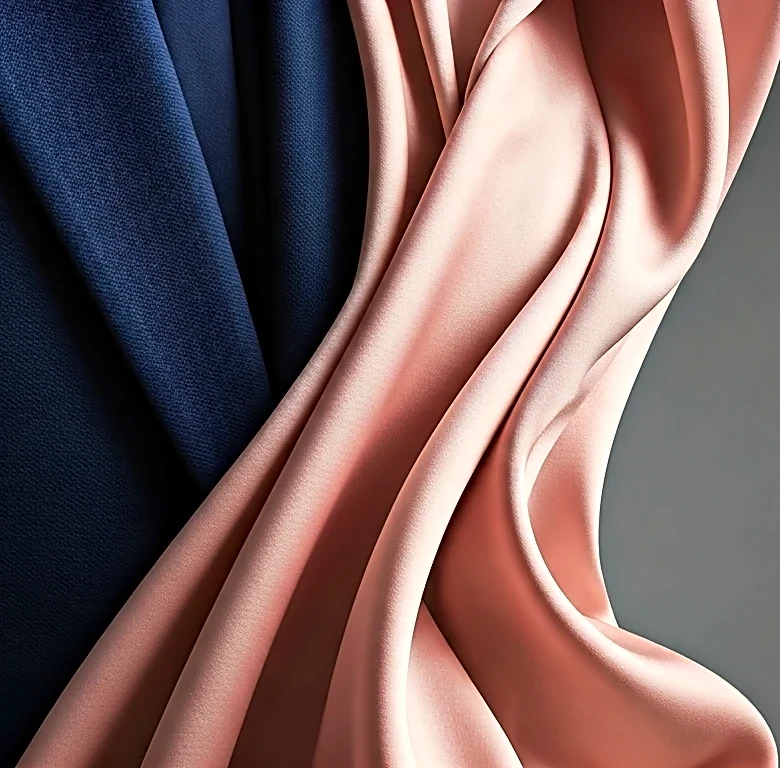
Royal Ascot isn't just a fancy party; it's an institution with a notoriously strict dress code, especially in the Royal Enclosure. Hemlines must be knee-length or longer. Straps on dresses and tops must have a width of at least one inch. Midriffs must be covered. For men, it’s morning dress and a top hat. This code is designed to enforce a high standard of classic, structured elegance. It favors tailoring, substantial fabrics like silk or crepe, and polished silhouettes. When you introduce a fabric known for its airy, semi-sheer, and often flimsy qualities, you're immediately fighting against the event's sartorial current. The racecourse stewards are not looking for 'beachy chic.'"
How to Achieve 'Charming'
So, how does eyelet succeed? The secret is in overcoming its casual DNA with structure, substance, and polish. A 'charming' eyelet look at Ascot is never a simple, off-the-rack sundress. It's a feat of engineering. The fabric itself will be a high-quality, heavyweight cotton that holds its shape and doesn't wrinkle a moment after you sit down. The dress will be impeccably tailored and, crucially, fully lined with a quality material, ensuring no unintended sheerness and providing a smooth silhouette. The design will lean classic—think a structured midi dress, a sophisticated A-line skirt, or a sharp two-piece set. The eyelet pattern itself might be larger and more graphic, feeling more like a deliberate design element than a delicate, girlish detail. It's eyelet masquerading as a more formal textile.
The 'Cheap' Trap to Avoid
The 'cheap' look, conversely, is almost always a result of letting eyelet be its casual self in the wrong environment. This is where thin, easily creased cotton fails. It’s the unlined dress that reveals too much in the bright English sun or a silhouette that’s too soft, short, or flimsy. A dress that looks perfect for a picnic will look underdressed and unsophisticated next to the tailored morning suits and structured occasionwear of Ascot. The term 'cheap' here isn't just about price; it’s about perception. An outfit that looks informal or ill-considered for the occasion reads as a misstep. Pairing an eyelet dress with casual accessories like espadrilles or a floppy straw bag is another classic mistake that instantly pulls the entire look into the 'weekend' category, far from the polished formality required.
The Finishing Touches Make the Difference
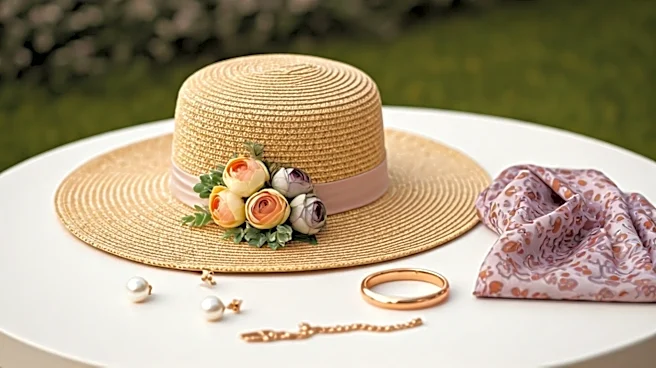
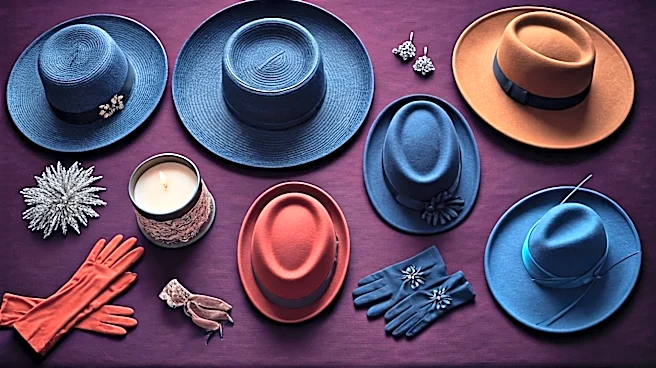
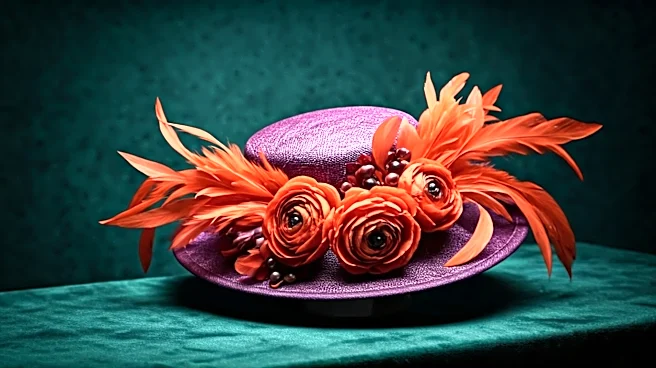
Ultimately, styling is the final arbiter. A successful eyelet ensemble at Ascot is lifted by its accessories. This means a formal, structured hat or headpiece—not a casual fascinator. It means elegant heels (block heels are a smart choice for navigating the grass), a polished clutch bag, and refined jewelry. These elements signal that you understand the assignment. They act as a formal framework that contains and elevates the eyelet, transforming it from a simple summer fabric into a considered, intentional fashion statement. Without this support system, the eyelet is left to fend for itself, and its casual nature almost always wins out.