


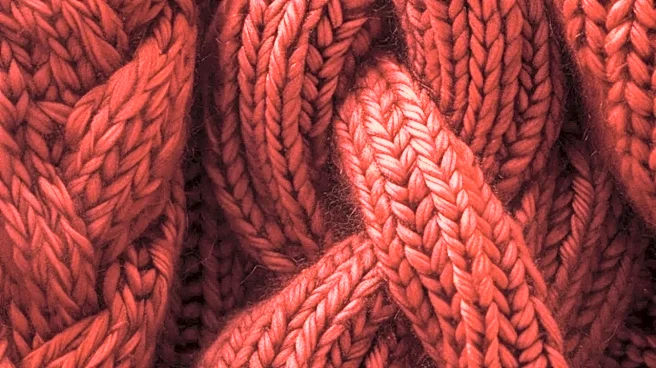


Ever seen a pair of corduroy pants or a jacket where one panel seems a shade darker than the one next to it? It’s not a dye lot issue. It’s the result of ignoring the single most important rule of working with this timeless, textured fabric.
The Secret Is in the 'Nap'
To understand
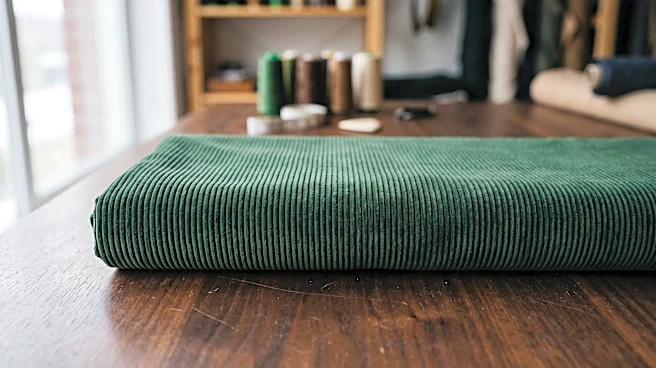
the problem, you first have to understand the fabric. Corduroy, like velvet and suede, is a 'napped' fabric. This means it has a pile—a surface of raised fibers that are brushed in a single direction. You can feel it instantly. Run your hand along the fabric's distinct ridges, called 'wales'. In one direction, it feels silky smooth; that’s called going 'with the nap'. Run your hand the other way, and you’ll feel slight resistance. That’s going 'against the nap'. Think of it like petting a cat—smooth one way, a little rough the other. This one-way street of texture is the key to everything.
Why Direction Changes Everything
That directional pile does more than just affect the feel; it dramatically changes how the fabric interacts with light. When the nap is running down, smoothing the fibers, the surface reflects more light. This makes the color appear lighter and gives it a subtle sheen. When the nap is running up, against the grain, the fiber ends face you more directly. This creates tiny shadows, absorbing more light and making the exact same fabric appear darker and richer. If a jacket has its front panel cut with the nap running down and its sleeve cut with the nap running up, they will look like two different shades of the same color, creating that distracting, mismatched effect. It’s an optical illusion baked into the physics of the fabric.
The One Rule to Remember
The solution is beautifully simple: Every single pattern piece for one garment must be cut with the nap running in the same direction. It doesn’t matter if you’re making pants, a skirt, or upholstering a chair; consistency is non-negotiable. This is often called a 'with nap' layout. When you lay your pattern pieces onto the fabric, every piece must be oriented the same way, top to bottom. You can’t flip one piece upside down to save fabric, which is a common practice with non-napped materials. This inefficiency is why projects using corduroy often require a little extra yardage.
Nap-Up or Nap_Down?
So, which direction is the 'right' one? That’s a matter of choice, but there are two schools of thought. Cutting with the nap running down the garment (so it feels smooth when you run your hand from top to bottom) gives a sleeker look and is generally considered more durable, as it experiences less friction in daily wear. However, cutting with the nap running up (feeling rougher on a downward stroke) produces a deeper, richer color because the pile is more upright. Many designers in the 1960s and 70s favored the nap_up direction for this very reason. Most commercial clothing today uses a nap_down orientation for a smoother feel. Ultimately, neither is wrong, as long as you pick one and stick to it for the entire garment.
Beyond Corduroy
This isn't just a quirk of corduroy. The directional cutting rule is essential for any fabric with a pile or a visible texture. This includes velvet, velveteen, faux fur, fleece, and even some brushed denims and flannels. Any time you work with a fabric that looks or feels different when you turn it 180 degrees, you must apply the same principle. Mastering this one concept is a fundamental step that separates amateur, homemade_looking projects from polished, professional_quality work. It’s a small detail that makes a world of difference.