

The Curation Cure for Streaming Fatigue
In the world of streaming, we are slaves to the algorithm. Platforms are designed to keep us watching, but not necessarily to help us discover. The result is a strange kind of cultural invisibility where thousands of films are available, but only a handful
feel truly present. Film festivals flip this script entirely. An event like the BFI London Film Festival, which runs from October 7th to the 18th, isn't about algorithmic recommendations; it's about human curation. Programmers and critics sift through thousands of titles to assemble a collection of the year's most exciting, innovative, and conversation-worthy films. Instead of a passive scroll, the festival offers an active invitation: here is a selection of films that matter. This act of curation transforms discovery from a random guess into a deliberate event, providing a filter in an overwhelmingly crowded market.
More Than a Movie, It's an Event
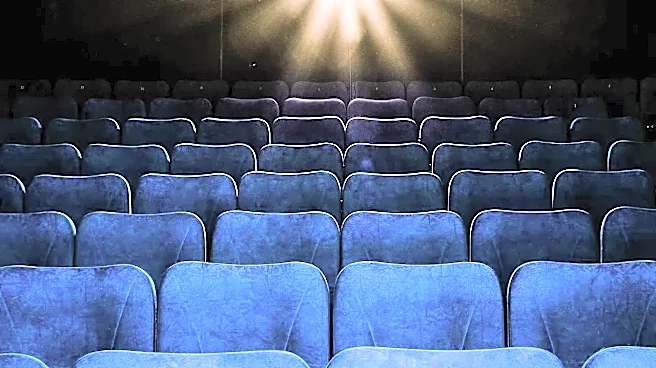
The core difference between streaming at home and attending a festival lies in the ritual. A festival screening turns movie-watching from a solitary habit into a communal occasion. It begins long before the opening credits, with the journey to the theater, the palpable buzz of the crowd, and the shared anticipation. At the London Film Festival, screenings are held at iconic venues like the BFI Southbank and Royal Festival Hall, adding a sense of grandeur to the experience. Unlike your local multiplex, festival screenings start precisely on time because they are often accompanied by unique introductions from the filmmakers themselves. There’s no pause button, no distracting notifications, just a dark room where, for two hours, a group of strangers agrees to focus on one story together. This shared, distraction-free environment is something a living room can never truly replicate.
Where Cinema Breathes
Festivals are a vital reminder that film is a sensory medium designed for the big screen. The intricate sound design of a medieval village in 'Wicker', starring Olivia Colman, or the lavish visuals of a historical drama are meant to be immersive, not compressed through laptop speakers. Reviews from the 2026 festival consistently highlight the power of this experience. Critics have praised the 'towering' and awards-buzzy performance of Carrie Coon in 'The Liberation', a true story about a woman who joins a cult, a role that demands the focused attention of a theater. Similarly, the wild, genre-bending horror of a film like 'Inherit' thrives on the collective gasps and nervous laughter of an audience, a reaction that's lost in solo viewing. These films aren't just content; they are meticulously crafted artistic experiences that are fully realized only in a cinematic setting.
The Conversation After the Credits
Perhaps the most crucial element that streaming lacks is the post-film conversation. A festival extends the life of a movie beyond the final frame. The experience includes Screen Talks, which are in-depth interviews with major directors and actors, and impromptu debates that spill out from the theater into the lobby and local cafes. It’s a space for connection, not just consumption. For American film lovers, this isn't just a London phenomenon; it mirrors the energy of festivals like Sundance or TIFF. These events create a concentrated cultural moment, generating buzz and critical acclaim that can launch a small independent film into the global conversation. They build prestige and allow audiences to feel like they are part of a film's journey from the very beginning, something an algorithm simply cannot offer.