




The Ultimate Home-Field Advantage
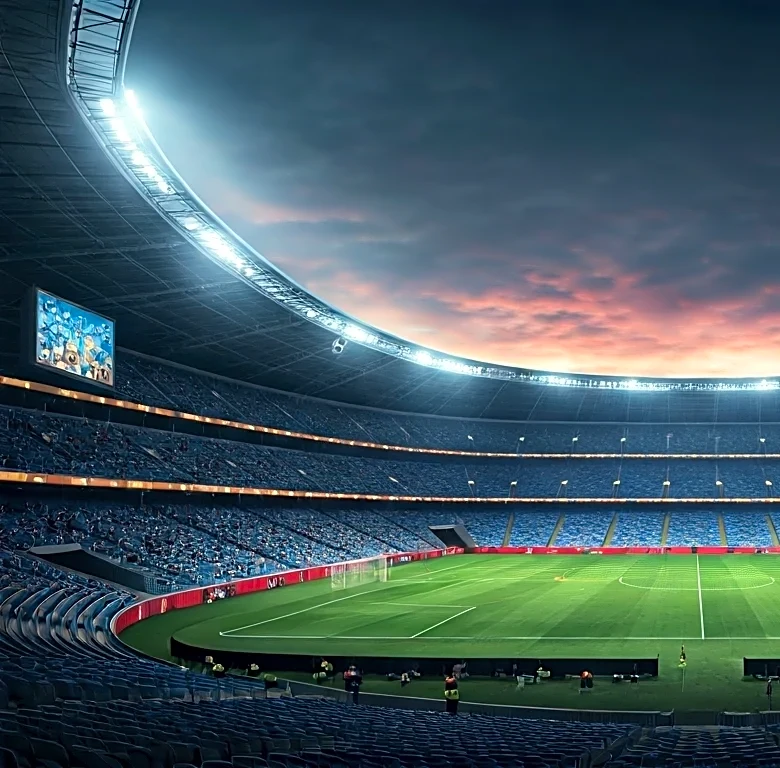
Nothing galvanizes American sports fans like a massive global event happening in their own backyard. The 2026 FIFA World Cup, co-hosted by the U.S., Mexico, and Canada, removes the biggest barriers for casual viewers: confusing time zones and a sense
of distant foreignness. For an entire month, the biggest sporting event on the planet will be the biggest story in American cities. Think of the 1994 World Cup, which planted the seeds for Major League Soccer, or the 1996 Atlanta Olympics. Hosting creates an inescapable cultural gravity. Games will be played in NFL stadiums from coast to coast, turning cities like Kansas City, Philadelphia, and Seattle into international hubs. The tournament won't just be on TV; it will be down the street, creating a level of local investment and media saturation that no foreign-hosted event could ever match.
The 'Ted Lasso' Effect and Pop Culture Priming
For decades, soccer’s complex ecosystem of leagues, rivalries, and traditions felt impenetrable to many Americans. That cultural barrier is rapidly eroding. Shows like Apple TV’s “Ted Lasso” and FX’s “Welcome to Wrexham” have done more for soccer’s accessibility than a thousand promotional broadcasts. They’ve humanized the sport, translating the passion of club ownership, the drama of promotion and relegation, and the camaraderie of the locker room into compelling, universally understood narratives. This isn’t about tactics; it’s about storytelling. By making the emotional stakes of soccer legible and relatable to an audience that might not know a forward from a fullback, pop culture has effectively pre-gamed the nation for the World Cup. It has made millions of Americans fluent in the *feeling* of soccer, even if they aren't experts on the rules.
MLS Is No Longer a Punchline
The long-standing joke about Major League Soccer being a “retirement league” for aging European stars is, itself, retired. The league is now a legitimate and stable fixture in the American sports landscape. With nearly 30 teams, dozens of new soccer-specific stadiums, and a landmark 10-year, $2.5 billion broadcast deal with Apple, the domestic foundation is solid. Star power has evolved, too. While Lionel Messi’s arrival in Miami provided a massive global spotlight, the league’s core growth comes from developing and attracting young, dynamic talent from across the Americas. This domestic relevance is crucial. After the 2026 World Cup hype fades, there will be a professional, high-level local team for new fans to follow in most major U.S. markets—a sustainable ecosystem that simply didn't exist in previous eras.
You Can Actually Watch It Now
Being a soccer fan in America used to be hard work. You needed a special cable package or a willingness to hang out at a specific Irish pub at 7 a.m. on a Saturday. Today, thanks to the streaming wars, the best soccer in the world is more accessible than ever. NBC has turned the English Premier League into a weekend morning ritual for millions. ESPN+ is a firehose of La Liga and Bundesliga content. Paramount+ owns the rights to the Champions League, the sport’s most prestigious club competition. This constant, high-quality exposure builds fluency and loyalty. Americans are no longer just quadrennial World Cup fans; they are weekly supporters of Manchester United, Real Madrid, or AC Milan. By 2026, the baseline knowledge and star recognition will be at an all-time high.
The Stars (and Stripes) Are Aligned
For the first time in a generation, the U.S. Men’s National Team is stocked with players competing and thriving at the highest levels of European soccer. This isn’t a team of MLS stalwarts and a few overseas pioneers; it’s a roster where playing for clubs like Juventus (Weston McKennie), AC Milan (Christian Pulisic, Yunus Musah), and Borussia Dortmund (Gio Reyna) is the norm. These players aren't just good by American standards; they are legitimate talents on a global stage. This gives the team a crucial ingredient it has often lacked: swagger. Having a squad of recognizable, high-profile stars gives casual fans—and the media—a simple, compelling story to follow. Success breeds interest, and this American team has a genuine chance to make a deep run on home soil, which would be the ultimate accelerant.