






First, A Quick Clarification
Let's get one thing straight: "ulzzang" is a Korean term, literally meaning "best face" or "good-looking." It refers to a South Korean beauty trend focused on achieving a youthful, doll-like appearance with flawless skin, large-looking eyes, and soft
features. While Japanese makeup also has styles that prize a cute or "kawaii" aesthetic, such as the "igari" (or hangover blush) look, the techniques and end results are distinct. Korean ulzzang often emphasizes dewy, glass-like skin and straight brows, while popular Japanese styles might favor a softer matte finish or more arched brows. So while the headline mixes terms, the goal is clear: to achieve that polished, intentional, almost airbrushed look popular across East Asia.
The Real Foundation Is Flawless Skin
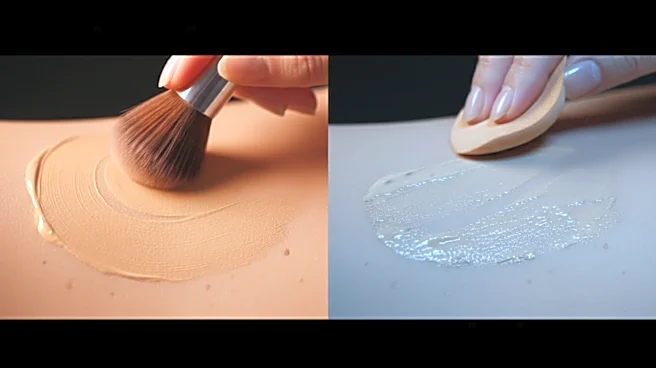
Before any color comes into play, both K-beauty and J-beauty prioritize a perfect canvas. This isn’t just about piling on foundation. In fact, it often starts with a meticulous skincare routine to ensure the skin is hydrated and plump. The base makeup itself, whether it’s a BB cream or cushion foundation, is typically applied in thin, even layers—just enough to cover redness and create a smooth tone without looking heavy. Many people think the secret lies in a specific foundation or concealer, but those products can only do so much. The truly transformative step is much more subtle and has everything to do with creating dimension.
The Hidden Step: Hyper-Subtle Contouring
The secret weapon behind many professional-looking Asian makeup applications isn't a heavy, chiseled contour. Instead, it’s an incredibly soft, strategic, and almost invisible use of shadow to create structure. Unlike Western contouring that often involves sharp lines under the cheekbones, this technique focuses on gently enhancing the natural shadows of the face. This is especially important for creating a delicate, V-shaped jawline and adding dimension to a flatter nose bridge without looking obvious. The goal is to mimic real shadows, giving the face a naturally sculpted look that appears three-dimensional from every angle, rather than just looking like makeup.
How to Master the Technique
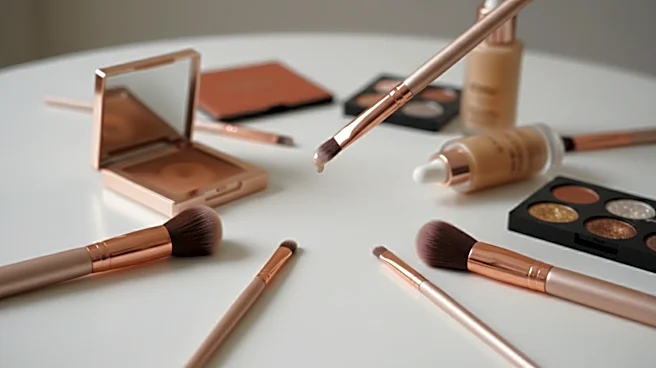
To achieve this, you need the right tools and a light hand. Forget dense brushes and warm-toned bronzers. Opt for a cool-toned, sheer contour powder or cream—a color that looks like a natural shadow, not a tan. Use a small, fluffy brush. The key areas to focus on are the outer perimeter of the face to create a slimmer appearance, and very precise, narrow lines along the sides of the nose bridge, starting from the inner part of the eyebrow. The trick is to apply the product with minimal pressure and blend, blend, blend until there are no discernible lines, just a soft, believable depth. It’s a technique of suggestion, not statement.
The Final Piece of the Puzzle: Aegyo Sal
This subtle contouring works in perfect harmony with another signature technique: emphasizing the "aegyo sal." This Korean term refers to the small, puffy area of fat directly under the lower lash line that becomes more prominent when you smile. By applying a very light line of that same cool-toned contour powder in the crease just underneath the aegyo sal, you create a shadow that makes the puffiness pop. A touch of a subtle, shimmery highlighter is then applied directly to the aegyo sal itself. The combination of the subtle shadow and the highlight is what creates that coveted youthful, bright-eyed appearance that is a hallmark of the ulzzang look. This demonstrates how the hidden step of subtle contouring is not just about shaping the face, but about making other features stand out in a soft and natural way.